

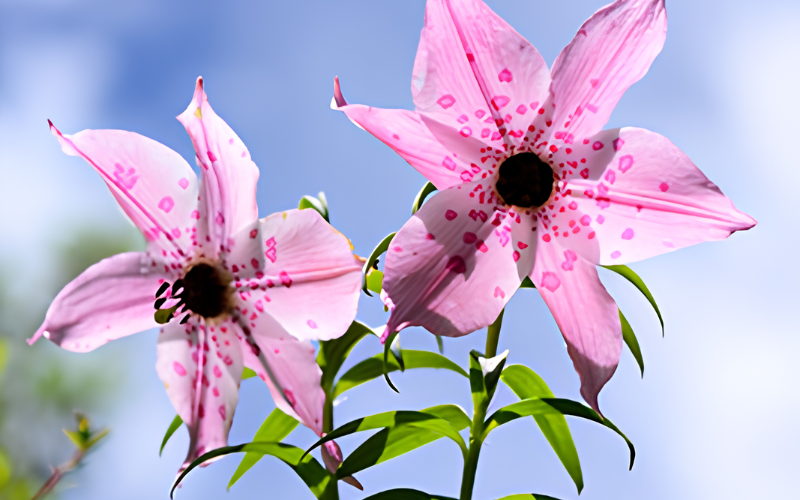
The odd shape of China has created one of the most varied plant environments in the world. The country contains many different ecosystems from subtropical forests and deep valleys to high altitude plateaus and snow - covered mountains, in which rare and endemic species have evolved over the years.
For botanists, photographers, hikers and nature - oriented tourists, a China Endemic Plants Trip can be an extraordinary chance to see rare plants in their natural habitat. Each destination offers a unique botanical experience, with different elevations, climates and landscapes.
The following four eco - regions are important ecologically and also have the potential to give visitors memorable experiences of China's unique plant life.
1. Mountains Hengduan
The Hengduan Mountains, which span parts of Sichuan, Yunnan and Tibet, are famed for their exceptional biodiversity.
One of the reasons there are so many plants in this area is the dramatic change in elevation. Deep river valleys, temperate forests, alpine slopes and high mountain meadows lie within relatively close proximity of each other, creating multiple growing conditions within the same larger region.
Nature lovers will be able to see plants such as Himalayan blue poppies, Chinese dove trees and yellow Chinese poppies during the flowering season.
The landscape itself is also part of the experience. Visitors can traverse from wooded valleys to open alpine areas and see how vegetation shifts with elevation.
The flowering season may last several months because plants at lower elevations often flower before those at higher elevations in the mountains.
Best time to visit : Late summer - early spring
2. Qinghai - Tibet Plateau
Qinghai - Tibet Plateau is one of the most unique natural environments in China. Often called the “ Roof of the World ”, it is characterised by high altitude, open grasslands, cold weather, strong sunlight and challenging growing conditions.
Only those plants that can adapt to these environmental stresses can survive here successfully.
Notable species associated with the plateau include :
• Androsace umbellata
• Meconopsis punicea
• Saussurea medusa
These plants have evolved special adaptations to deal with low temperatures, thin air, intense ultraviolet radiation and short growing seasons.
Botanical exploration is usually most productive in summer, when warmer weather brings alpine flowers into bloom across the plateau.
The Qinghai - Tibet Plateau is the home of plant life and the chance to experience snow - capped mountains, traditional architecture, open spaces and regional wildlife.
The combination of botany, culture and scenery make it a worthy addition to a plant - centric itinerary.
When to go : In the summer.
3. Gaoligong Mountains
For plant lovers, another great spot is the Gaoligong Mountains in Yunnan.
Gaoligong is distinguished from the severe alpine environments of the Tibetan Plateau by its subtropical, temperate, and montane forest ecosystems. This wide range of climates supports a remarkable number of plant species.
The forests, valleys, mountain slopes and river systems provide diverse habitats in which both common and rare species can flourish.
The Gaoligong fir and Gaoligong peony are unique plants associated with this region.
One of the most interesting things for visitors to Gaoligong is the chance to see how plant communities change with elevation. Lower areas may be covered in dense, warmer forests, while higher slopes have cooler mountain vegetation.
This makes the region especially rewarding for botanists and photographers interested in documenting different ecosystems in a single journey.
4. Shangri - La and the mountain landscapes
Shangri - La is known for its high altitude scenery, Tibetan cultural influences, alpine meadows, forests, glacial lakes and mountain valleys.
Important botanical areas in the surrounding region for travellers interested in endemic plants include Shika Snow Mountain, Baima Snow Mountain and Balagezong National Park.
Here, at these altitudes, you will find different species of Meconopsis, colourful rhododendrons and other alpine flowers.
During the warmer months, meadows and mountain slopes may be covered with seasonal blooms, providing great opportunities for photos and plant - watching.
Shangri - La has particular appeal because it allows visitors to combine the botanical with the cultural and the dramatic.
The region, with its glacial lakes, traditional settlements, snow - capped peaks and flower - rich meadows, is ideal for travellers who want more than a standard sightseeing itinerary.
Best time to go : Late Spring - Summer
But why are these places so important to plant lovers ?
Each destination has a different ecological environment.
The change from forests to alpine habitats in the Hengduan Mountains is extraordinary. The Qinghai - Tibet Plateau is a model for plant adaptation to high altitude. Gaoligong has an amazing diversity of forests, and Shangri - La mixes high mountain flora with scenic and cultural experiences.
In combination, these areas explain why China is such a key destination for botanical travel.
A well planned trip may allow visitors to experience :
- Wildflowers - Alpine
- Rare rhododendrons
- Native trees and shrubs
- Medicinal plants of high altitude
- Jungle orchids
- Mountain meadows
- Glacial landscapes
- Unique regional ecosystems
Planning an Endemic Plant Journey - Tips
Travel for botanical reasons is often very dependent on timing so good preparation can improve the overall experience.
Travellers are advised to :
• Researching flowering seasons before booking
• Check altitude and weather conditions
• Selecting suitable clothing for different altitudes
• Use of experienced local guides to identify plants
• Remaining on marked trails
• Avoiding the harvesting of wild plants
• Bring adequate photographic equipment
• Additional time mountain travel
• Respect for protected areas and rules for local conservation
Weather can change quickly in high - altitude regions, so flexibility is particularly key.
Conclusion
The China Endemic Plants Trip provides an opportunity to visit some of the most interesting ecosystems in the country and to see rare plants in their native habitat.
The Hengduan Mountains are an excellent area to sample varying altitudes and rich plant diversity ; while the Qinghai - Tibet Plateau is home to rugged alpine species adapted to extreme environments. Gaoligong is an entirely different forest environment while Shangri - La is a mix of colourful mountain flora, spectacular scenery and cultural heritage.
If you want a little more structure to your botanical adventure, working with a specialist such as Wild Flora Tour may take some of the guess work out of planning an itinerary. A knowledgeable tour organiser can help pair destinations with flowering seasons, travel conditions and individual botanical interests.