
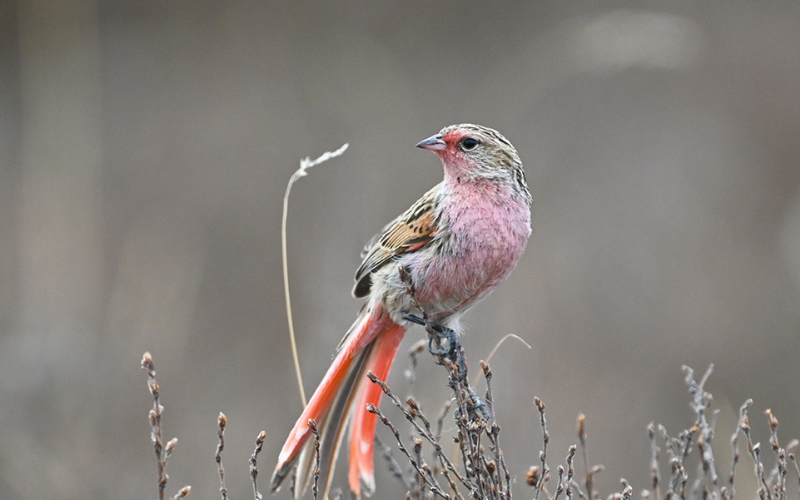
Planning birding trips used to be a lot more predictable. Migration windows stayed relatively stable, mountain weather followed familiar patterns, and guides could revisit the same hotspots year after year with decent consistency.
That’s changing fast.
Today, many birding tour companies in China are constantly adjusting routes, timing, and even target species because climate patterns are shifting in noticeable ways across forests, wetlands, and high - altitude ecosystems.
Birders are some of the first travelers to actually notice these environmental changes happening in real time.
In regions like Sichuan, Yunnan, Qinghai, and Tibet, warmer winters, irregular rainfall, and changing vegetation cycles are already affecting where birds feed, breed, and migrate. That’s why companies like Alpine Birding now rely much more on flexible field scouting instead of rigid itineraries built months in advance.
Why are Climate Shifts Affecting Birding Routes in China ?
A huge reason is elevation movement. In many mountain regions of western China, certain species are slowly shifting their activity zones higher up due to warming temperatures. Birds that traditionally stayed at lower elevations during winter are sometimes remaining deeper in mountain forests for longer periods.
That changes everything for guides.
A route that worked perfectly five years ago may now produce fewer sightings during the same season. Wetland conditions also fluctuate more heavily now, especially in plateau regions where water levels directly affect migratory stopovers.
For birding companies, this means adapting constantly instead of relying on “ fixed ” wildlife patterns.
How Do Birding Companies Actually Adapt in the Field ?
This part is way more strategic than most travelers realize. Modern birding operators often monitor :
- Recent bird activity reports
- Local weather fluctuations
- Snowfall levels in mountain passes
- Flowering and bamboo cycles
- Water conditions in wetlands
- Insect activity linked to food availability
Many local guides also stay connected through regional birding networks where sightings get shared almost daily during migration seasons. Instead of treating itineraries like rigid schedules, experienced companies now build flexibility into the trip itself.
For example :
- Spending extra mornings at productive elevations
- Swapping valleys if fog becomes too dense
- Changing departure times based on bird vocal activity
- Revisiting habitats after sudden temperature changes
That adaptability has quietly become one of the biggest differences between general tourism operators and specialized birding teams.
Why Does Local Knowledge Matter More Now ?
Because climate shifts affect microhabitats differently. A single mountain in Sichuan can contain multiple climate zones within a few hours of driving. One slope may stay active for laughingthrushes while another becomes too dry or windy after unusual weather changes.
That’s why local experience matters so much.
Guides who spend years birding the same forests often recognize subtle environmental signals before travelers even notice them, such as :
- Delayed dawn chorus timing
- Reduced insect movement
- Earlier fruiting seasons
- Birds changing feeding heights in the canopy
These details help companies adjust routes faster and improve sightings without making the trip feel rushed.
Final Thoughts,
A lot of modern wildlife travelers now understand that nature doesn’t fully operate on fixed schedules anymore. The best birding experiences often come from companies willing to adapt instead of forcing travelers through pre - planned tourist routines.
That’s one reason experienced birding tour companies in China are becoming increasingly valuable. As climate shifts continue changing migration timing, habitats, and wildlife behavior, successful birding depends less on fixed checklists and more on real - time field knowledge, flexible planning, and guides who genuinely understand how these ecosystems are evolving.