

A user enters a valid phone number from Germany, but your signup form rejects it. The problem may not be the number itself. It may be your validation logic, especially if it assumes every country uses the same number length or formatting rules.
International phone numbers vary significantly. Calling codes can have different lengths, national numbers can contain different numbers of digits, and formatting conventions vary between countries. A validation rule designed for one region can easily reject legitimate numbers from another.
Using a country calling code api helps applications identify the correct calling code and country information instead of relying on outdated hardcoded lists. This makes international phone fields more flexible and can reduce unnecessary validation errors.
Why One Regex Isn't Enough
A single regular expression cannot reliably account for every country's numbering system. Phone numbers can include spaces, dashes, parentheses, prefixes, and different digit lengths depending on the region.
Instead of applying one global rule, applications should first identify the country and then apply validation rules appropriate to that country's numbering system.
This approach also makes it easier to support new markets without constantly rewriting validation logic.
Country-Aware Validation Works Better
A reliable international phone field should separate two things:
- Country identification: Determine which country the number belongs to based on the selected country or calling code.
- Number validation: Check the number against rules appropriate for that country.
This prevents a user from being rejected simply because their phone number doesn't match the format used by your default market.
Currency Has the Same Problem
Currency formatting creates a similar challenge. Not every country uses the same currency, decimal rules, or formatting conventions. Some currencies use no decimal places, while others use three. Currency symbols and their placement can also vary between regions.
A country currency api can provide country and currency information so applications don't have to maintain separate static currency lists. This is particularly useful for international checkout pages, pricing displays, and ecommerce applications.
Build Phone and Currency Data Together
International forms work better when country information comes from one consistent source. When a user selects a country, the application can use that selection to populate the appropriate calling code and currency information.
This avoids maintaining multiple hardcoded datasets that can become outdated or inconsistent with each other.
For example, a country selector can automatically update the phone prefix while also displaying the appropriate currency for pricing. This creates a smoother experience and reduces the chance of incorrect regional information.
How countrylayer Supports This
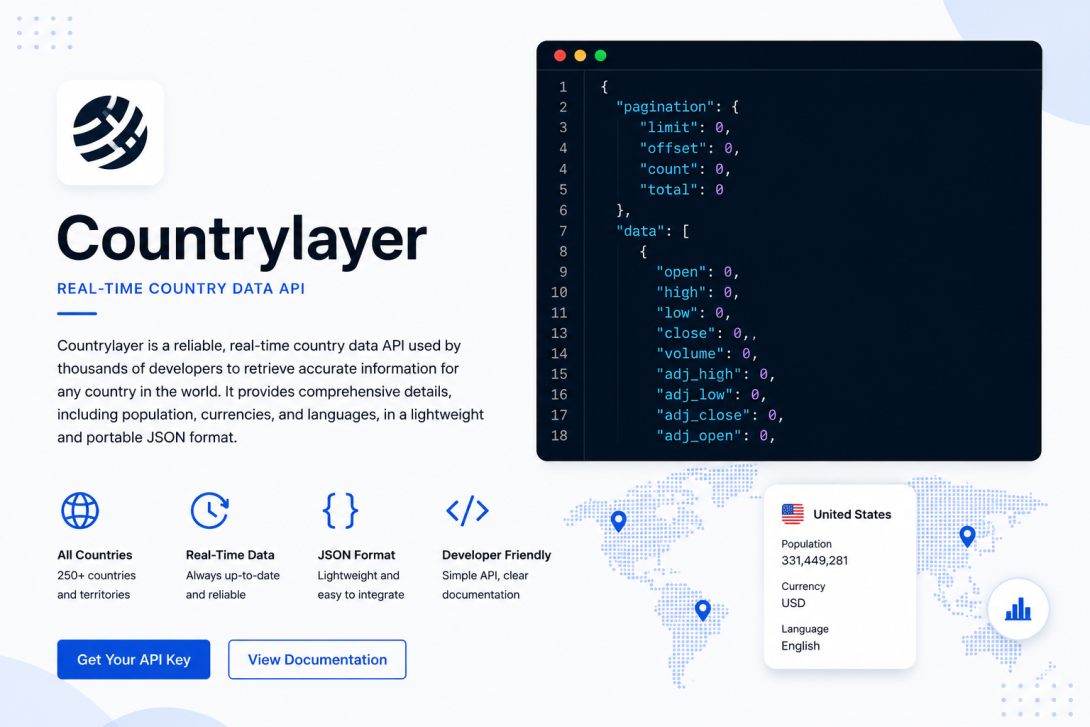
countrylayer provides country information including calling codes, currency codes, country names, ISO codes, and regional data.
Using a centralized country data source can help applications keep phone and currency information consistent instead of maintaining separate lists across different parts of the application.
Frequently Asked Questions
Why can a valid international phone number be rejected?
Usually because the validation logic assumes a specific country's number length or formatting rules. International numbering systems vary considerably.
Should phone numbers be validated with one global regex?
No. Country-specific rules are more reliable because phone number formats and lengths differ between countries.
Why does currency information need country-specific data?
Currencies use different symbols, decimal rules, and formatting conventions. Country-aware data helps applications display prices correctly for different markets.
Should incorrect phone formatting block signup?
A soft warning can be safer than an immediate rejection. Overly strict validation can prevent legitimate users from completing registration.
Make International Forms More Reliable
International users should not be rejected because your application assumes every country follows the same phone or currency rules. Using accurate country data can make signup and checkout experiences more reliable while reducing the maintenance required for static lists.
Try countrylayer https://apilayer.com/products/countrylayer/