
Introduction
Every successful software project starts with one critical activity—understanding what the business actually needs. Whether an organization is building a customer portal, modernizing a legacy application, or launching a digital platform, the quality of the final solution depends heavily on the quality of its requirements. Unfortunately, requirement gathering is often one of the most time-consuming and error-prone phases of the Software Development Life Cycle (SDLC).
Business analysts collect information from meetings, workshops, emails, policy documents, spreadsheets, and stakeholder discussions. As projects become larger, consolidating this information into structured requirements becomes increasingly challenging. Missing details, conflicting expectations, and incomplete documentation frequently lead to project delays, scope changes, and expensive rework.
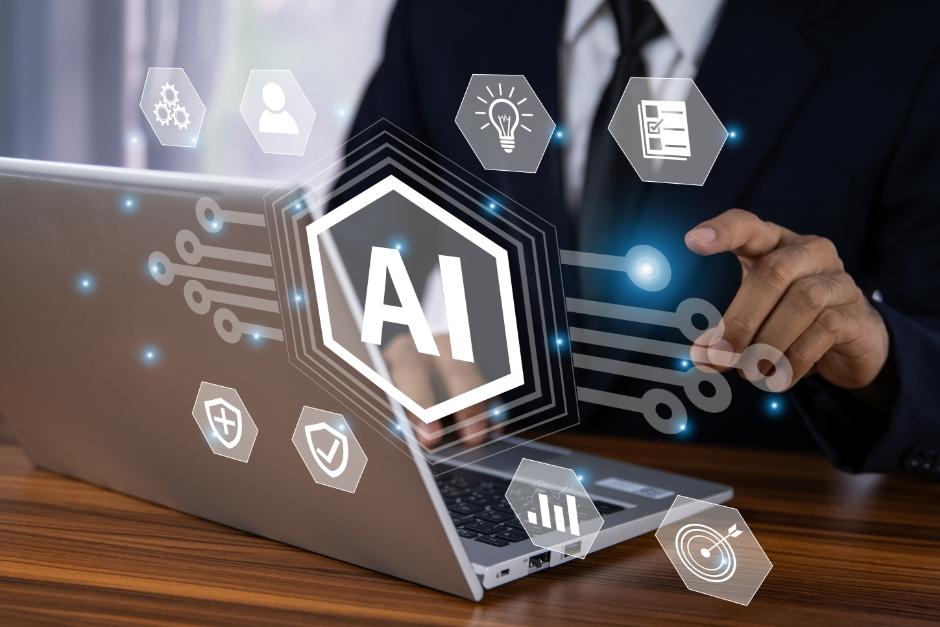
An Agentic AI Assistant introduces intelligence into this process by helping organizations organize business knowledge, structure requirements, and improve collaboration between business and engineering teams. Instead of replacing business analysts, it acts as an intelligent partner that simplifies repetitive documentation activities while enabling analysts to focus on strategic decision-making.
Why Requirement Engineering Determines Project Success
Many organizations assume software development begins with coding. In reality, development starts much earlier—with understanding business objectives and documenting them correctly.
When requirements are incomplete or inconsistent, the impact extends across the entire project lifecycle.
Typical challenges include:
- Incomplete business documentation
- Frequent requirement revisions
- Communication gaps between stakeholders
- Limited traceability across project phases
- Delayed project approvals
- Increased development rework
These issues not only affect delivery timelines but also reduce software quality and increase implementation costs.
Bringing Intelligence into Business Analysis
Traditional documentation relies heavily on manual effort. Analysts spend countless hours reviewing notes, consolidating feedback, and translating business expectations into structured documentation.
Organizations implementing Agentic AI Requirements Assistant improve this process by using artificial intelligence to organize business information, identify requirement gaps, and create structured documentation that supports downstream engineering activities.
Rather than spending valuable time formatting documents, analysts can focus on validating business rules, refining workflows, and collaborating with stakeholders to improve solution quality.
Supporting capabilities from the same requirements engineering ecosystem include:
- AI Requirements Generation
- Requirement Extraction
- Enterprise Requirements Management
- AI Requirements Checklist
Together, these capabilities help organizations improve documentation consistency while reducing manual effort.
Better Requirements Improve Every SDLC Phase
Well-defined requirements benefit every team involved in software delivery.
Business Teams Communicate More Clearly
Structured documentation creates a common understanding between stakeholders and engineering teams, reducing misunderstandings before development begins.
Developers Receive Better Guidance
Clear functional requirements reduce ambiguity, allowing developers to concentrate on building business functionality instead of seeking clarification.
Quality Assurance Becomes More Effective
Testing teams can derive comprehensive validation scenarios directly from well-structured business requirements, improving software quality from the beginning.
Project Governance Improves
Requirement traceability becomes easier to maintain, helping organizations manage changes throughout the project lifecycle.
Organizations adopting AI Requirements Generation establish repeatable planning practices that improve collaboration while reducing project uncertainty.
Building a Modern Requirements Engineering Process
Requirements engineering should evolve alongside changing business priorities rather than remaining a document-centric activity.
Successful organizations typically focus on:
- Standardizing requirement documentation
- Improving collaboration between business and technical teams
- Reducing repetitive documentation work
- Maintaining requirement traceability
- Supporting continuous project refinement
- Aligning business goals with software delivery
This structured approach creates a stronger foundation for software projects while improving long-term engineering efficiency.
Looking Toward Intelligent Business Analysis
Artificial intelligence is transforming how enterprises manage software planning. Instead of relying exclusively on manual documentation, organizations are adopting intelligent assistants that improve consistency, accelerate analysis, and strengthen collaboration.
Future requirements engineering will focus less on document creation and more on business understanding. Organizations that invest in intelligent planning today will be better prepared to manage increasingly complex software initiatives while maintaining governance, quality, and delivery speed.
Conclusion
Requirements engineering is one of the most influential stages of enterprise software development. Well-structured business requirements reduce uncertainty, improve collaboration, and create stronger foundations for successful project delivery.
Agentic AI Assistant enables organizations to modernize business analysis by reducing manual documentation effort while improving requirement quality and consistency. As enterprise software projects continue becoming more complex, intelligent requirements engineering will play an increasingly important role in delivering reliable, scalable, and business-focused solutions.