

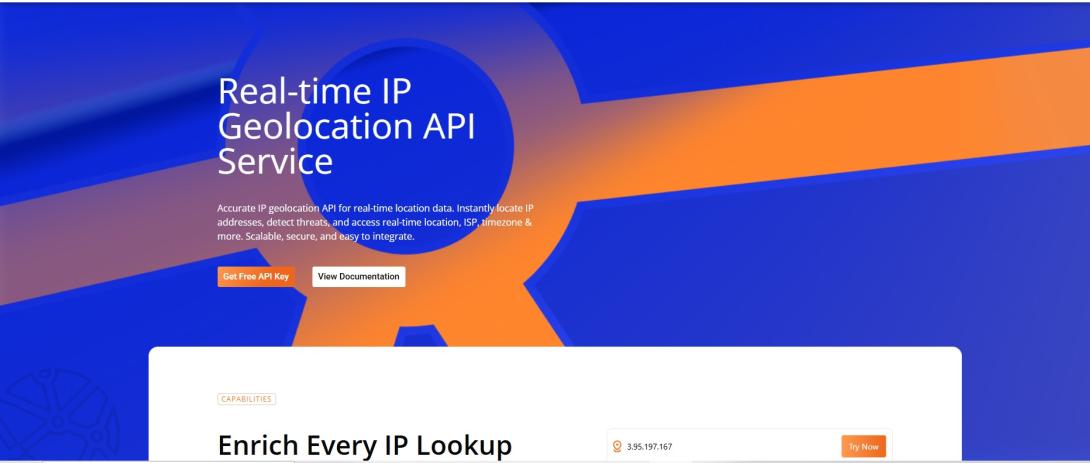
Businesses, developers, and cybersecurity teams increasingly rely on geolocation technology to improve online experiences and strengthen digital security. Whether it is personalizing website content, detecting suspicious activity, or analyzing customer behavior, the ability to convert ip address to geolocation data has become an essential part of modern internet services. By identifying the approximate physical location connected to an IP address, organizations can make smarter decisions and deliver more targeted experiences to users worldwide.
Understanding IP Geolocation Technology
IP geolocation is the process of mapping an IP address to a geographic location. This location may include a country, city, postal code, internet service provider, timezone, or even latitude and longitude coordinates. The technology works by referencing massive databases that connect IP ranges with location information collected from internet registries, routing data, and network providers.
Although IP geolocation is not always perfectly accurate, modern systems can often identify the user’s country with very high precision. City-level accuracy may vary depending on the provider and internet connection type, but it remains highly useful for business intelligence, fraud prevention, and content personalization.
Why Businesses Use IP Geolocation Data
Many online businesses use geolocation technology to enhance customer experiences. Streaming services, eCommerce stores, advertising platforms, and cybersecurity systems all depend on location-based insights.
For example, an online retailer can display local currency and shipping options based on a visitor’s region. A fraud prevention system may block suspicious login attempts from unexpected countries. Marketing teams can also use ip location geolocation tools to understand audience distribution and optimize campaigns for specific markets.
According to recent industry studies, businesses using location-based personalization often experience higher engagement and conversion rates compared to generic website experiences. This demonstrates how valuable geolocation data has become in today’s competitive digital landscape.
Common Tools Used for IP Geolocation
Several types of tools help organizations convert IP addresses into location data. These tools vary in complexity, pricing, and intended use cases.
IP Geolocation APIs
One of the most popular solutions is an API-based service. APIs allow developers to send an IP address and instantly receive structured location data in return. These services are widely used in web applications, mobile apps, and cybersecurity platforms because they are fast and easy to integrate.
Platforms such as Ipstack provide developers with scalable API access for retrieving geographic details from IP addresses. APIs are especially useful for businesses that require real-time data processing and automation.
Many developers also search for an ip location api free solution when testing projects or building smaller applications. Free plans often provide limited requests per month while still offering essential geolocation features for development purposes.
Database Downloads
Some organizations prefer downloadable geolocation databases instead of cloud-based APIs. These databases are installed on local servers and updated regularly. Large enterprises often use this approach when handling high request volumes or when privacy regulations require local data processing.
Database solutions may offer faster performance because lookups happen internally without external API calls. However, they also require ongoing maintenance and regular updates to maintain accuracy.
Free GeoIP Services
Smaller websites and independent developers often begin with a free geoip api before upgrading to paid services. These tools provide basic geolocation capabilities without requiring a major investment.
Free services are useful for experimentation, educational projects, and low-traffic websites. However, they may come with limitations such as lower request quotas, fewer data fields, or slower update frequencies.
IP Lookup and Checker Tools
Web-based lookup platforms allow users to manually enter an IP address and instantly retrieve location information. A free ip address checker is commonly used by network administrators, security researchers, and everyday users troubleshooting internet-related issues.
These tools are simple to use and do not require coding knowledge. They are particularly useful for verifying locations, checking suspicious traffic sources, or understanding visitor demographics.
Key Features to Look for in an IP Geolocation Tool
Choosing the right geolocation tool depends on your business goals and technical requirements. Several important features should be considered before selecting a platform.
Accuracy and Data Freshness
The value of geolocation data depends heavily on accuracy. Reliable providers continuously update their databases to reflect changes in IP ownership and routing information. Frequent updates help ensure more dependable results.
API Speed and Scalability
Fast response times are critical for websites and applications handling large amounts of traffic. Slow APIs can negatively impact user experience, especially during high-demand periods.
Scalable infrastructure is equally important for growing businesses. A solution that works for a small website today should also support future expansion without performance issues.
Security and Compliance
Organizations handling user data should evaluate how geolocation providers manage privacy and compliance. Data protection standards and secure API access are especially important for businesses operating internationally.
Developer-Friendly Integration
Clear documentation, SDK support, and flexible response formats make integration easier for developers. Many modern services provide support for programming languages such as Python, JavaScript, PHP, and Java.
Real-World Applications of IP Geolocation
IP geolocation technology supports a wide range of practical applications across industries.
In cybersecurity, businesses use geolocation data to detect unusual login activity and prevent fraudulent transactions. For example, if a user account normally logs in from one country but suddenly attempts access from another region, security systems can trigger additional verification.
In digital marketing, advertisers use location targeting to deliver more relevant campaigns. Showing localized promotions often improves click-through rates and customer engagement.
Streaming and content platforms also rely heavily on geolocation technology to manage licensing restrictions and regional content availability.
Even customer support teams benefit from geolocation tools by automatically routing users to the correct language or regional support center.
Tips for Using IP Geolocation Effectively
Businesses should treat geolocation data as one part of a broader decision-making strategy rather than relying on it exclusively. Because mobile networks, VPNs, and proxies can affect accuracy, combining geolocation with behavioral analysis often produces better results.
It is also important to update systems regularly and monitor API performance. Outdated databases can lead to inaccurate results and reduced effectiveness.
For developers testing applications, starting with smaller plans or trial environments is usually the best approach before scaling to enterprise-level usage.
Conclusion
As digital experiences become increasingly personalized and security-focused, geolocation technology continues to play a major role in online operations. Businesses of all sizes now use tools that can convert ip address to geolocation data for marketing, fraud prevention, analytics, and user experience improvements.
From APIs and downloadable databases to lookup services and browser-based tools, there are many solutions available depending on technical requirements and budget. Developers looking for an ip geolocation api with free tier can begin with entry-level solutions before expanding into larger deployments as their needs grow.
FAQs
What is IP geolocation?
IP geolocation is the process of identifying the approximate physical location associated with an IP address. It can provide information such as country, city, timezone, and internet service provider.
How accurate is IP geolocation data?
Country-level accuracy is generally very high, while city-level accuracy may vary depending on the provider, network type, and data freshness.
Can IP geolocation identify an exact address?
No, IP geolocation usually cannot determine a precise street address. It provides approximate geographic information based on network data.
Why do websites use IP geolocation?
Websites use geolocation for personalization, fraud detection, analytics, localized content delivery, and cybersecurity purposes.
Are free IP geolocation tools reliable?
Free tools can be useful for testing and small projects, but paid services often provide better accuracy, faster performance, and more advanced features.