
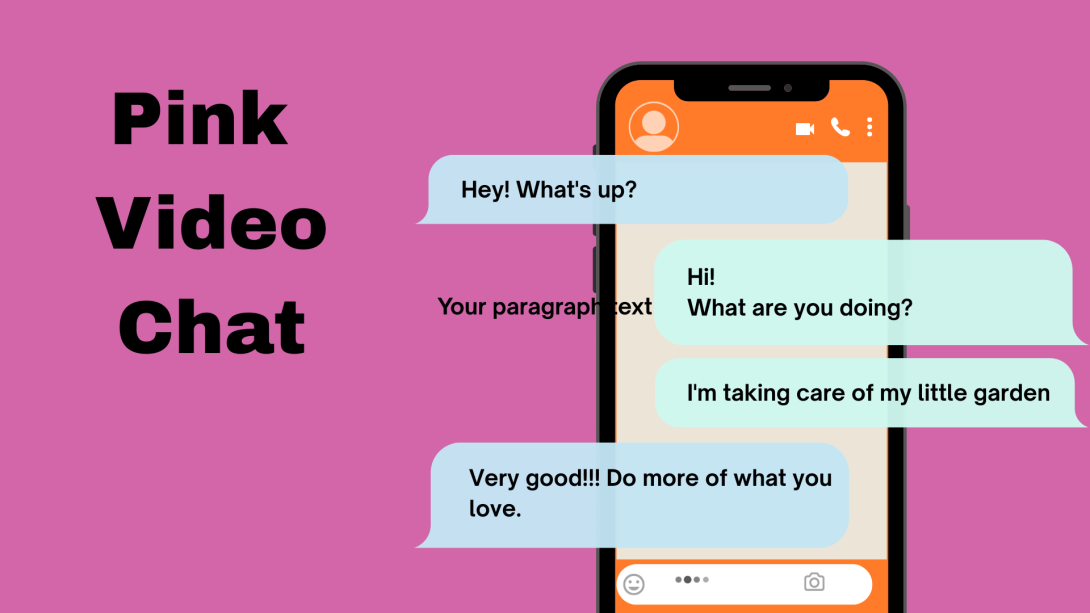
In the modern age, there has been an increase in the liking for video chat platforms, and one particular platform that has captured the attention of many teenagers is Pink Video Chat. Though marketed as social platforms for meeting new people, these apps sometimes lack the necessary safety and moderation features.
This article looks at what parents should know about Pinkvideochat, any potential hazards to kids, and practical ways they may ensure their family's online safety. You need to make sure that you have a proper understanding of this platform if your kid is using it.
Overview of Pink Video Chat: Everything that you need to know
Pink Video Chat is an unplanned one-on-one video chat platform connecting people across the world, much as Xmegle or Rabbitvideochat. Though the details of its debut are still unknown, it gained popularity in 2019. While the app store might have age limitations, it only lets users enter their age and identification.
Why are kids drawn to Pink Video Chat?
Teenagers find spontaneity and originality alluring since it allows them the chance to meet fresh people without any constraints. Kids may use Pink Chat for enjoyment during school vacations or "for fun," not realising that it automatically links them with adults or strangers their age.
Even the anonymous nature of Pink Video Chat attracts kids, as the fact that they will meet unknown users on the platform appeals to them.
Safety Risks on Pink Video Chat for Kids
Although the platform is not marketed as such, there are issues and risks concerning kids on the platform.
-
Exposure to hateful content
Pink Chat has drawn criticism for including nudity, explicit sexual content, and offensive discussions often reported among teenage users.
-
Online Grooming and Predators
Because there are few restrictions or age verification requirements, adults searching for vulnerable teenagers might exploit the program. Friendly chat serves as the beginning of much grooming, and it may soon become something else.
-
Cyberbullying and fraud
Anonymity encourages cyberbullying and harassment. Malicious individuals might convince youngsters into malware links or cons, ask for sensitive data, or submit unsuitable content.
-
Lack of authority controls
Unlike chat services made for kids, Pink Chat lacks parental reporting capabilities, age restrictions, and chat logs for parents.
Pink Chat's threat profile is similar to that of Omegle: both enable unmoderated interaction with others, encourage adult content, and have no real safety features.
What should parents do to ensure the safety of their kids on Pink Video Chat?
- Engage in honest talks - Be truthful about the app. Discuss the underlying risks, including exposure to adult material, identity theft, fictitious relationships, and con artists.
- Set unambiguous boundaries- Establish clear device restrictions: parent consent for app installation, screen time limits, and no free chat applications for children.
- Monitor Usage - Installed programs should be checked often. Avoid random chat apps by using network filters or device-level parental controls.
- Provide Safer alternatives - Direct social needs to safer platforms for kids:
- Parental consent is required for every contact, and Messenger Kids lacks advertising and automatic Facebook upgrades.
- Built for kids with parental controls, encryption, and safe friend management, JusTalk Kids.
- Inform about the Dangers of the Internet - Teach children about the risks of spam, phishing, grooming, and cybersecurity. Emphasise the need to never share personal data or see strangers in person.
Pink Video Chat presents real dangers to youngsters, including exposure to offensive content, fraud, criminals, and bullying, even if it sounds innocuous. Unlike credible websites, Pink Chat does not offer a gate to protect children.
Parents are crucial in guiding their kids toward age-appropriate social applications with tight safety precautions, teaching, and monitoring. Families may help children appreciate online interactions without compromising their safety by fostering honest dialogue and offering safe options.