
Beef-based treats are popular with many pet owners because they offer an alternative to conventional biscuits and grain-based snacks. However, not all beef treats are prepared the same way. Understanding the ingredients, handling requirements, and intended use of a product helps owners make informed decisions about their dog's feeding routine.
Raw beef chunks for dogs are pieces of uncooked beef that may be offered as treats or included in certain feeding plans. Although beef provides protein, raw meat can carry harmful bacteria, including Salmonella and E. coli, which may affect pets and people handling the food. Pet owners should discuss raw feeding with a veterinarian and follow appropriate food-safety practices.
What Are Raw Beef Chunks?
Raw beef chunks are pieces of uncooked beef muscle meat cut into portions of different sizes. They are different from cooked beef treats, freeze-dried meat, and cattle-hide chews. Their nutritional value and suitability depend on the cut, portion size, and the rest of the dog's diet.
Raw beef alone is not a complete and balanced diet for dogs. If you are considering raw feeding, consult a veterinarian or qualified veterinary nutritionist to make sure your dog's nutritional needs are met.
Potential Concerns With Raw Beef
Raw meat may contain bacteria or parasites that can cause illness in dogs and people. Handling raw beef can also contaminate hands, utensils, food bowls, and kitchen surfaces.
Dogs can sometimes carry and shed harmful bacteria without showing obvious symptoms. Extra care is important in households with young children, older adults, pregnant people, or anyone with a weakened immune system.
Freezing raw meat does not reliably eliminate all harmful pathogens. Follow veterinary food-safety advice and local handling recommendations before feeding raw animal products.
How Raw Beef Differs From Beef-Hide Chews
It is important not to confuse raw beef chunks with beef-hide products. Raw beef chunks are made from uncooked muscle meat, while beef-hide chews are made from cattle skin that has been prepared and dried for chewing.
The two products serve different purposes. Meat treats are generally offered as food rewards, whereas hide chews provide a firmer chewing activity. Each has its own handling and safety considerations.
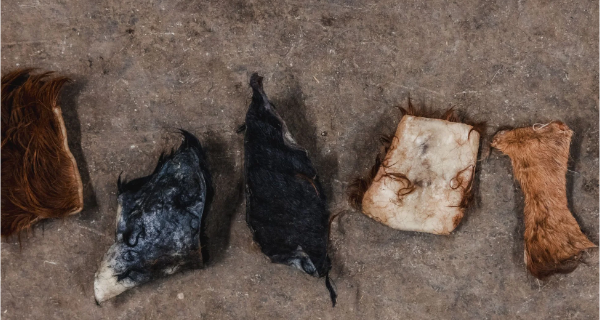
At Ugly Chews, our focus is on cattle-hide chews rather than raw beef chunks. Our hides are cleaned with water and dried in direct sunlight, without chemical treatments or artificial preservatives in our hide preparation.
What to Consider When Selecting Beef Treats
When buying beef-based products, read the packaging carefully to identify the ingredients and preparation method. Check whether the product is raw, cooked, freeze-dried, or made from hide, and follow the manufacturer's storage and feeding instructions.
Treats should complement a complete and balanced diet rather than replace it. Keep portions appropriate for your dog's size and daily calorie needs, and consult a veterinarian if your dog has food sensitivities or other health concerns.
Natural Cattle-Hide Options From Ugly Chews
For pet owners interested in firm chews rather than raw meat, Ugly Chews offers Hair-On Hide Rolls, Thin Hides, and Chips, Chunks & Scraps.
Our family-owned business sources cattle hides from ranch partners in Wyoming, Utah, and Idaho. We clean them with water and dry them in direct sunlight, focusing on straightforward preparation and making practical use of the hide material.
The Chips, Chunks & Scraps collection uses smaller portions of hide, supporting our zero-waste approach. These products are cattle-hide chews, not raw beef treats, so check the product descriptions to understand their intended use.
Responsible Feeding and Chewing Practices
Whatever type of treat you select, supervision and appropriate portions matter. For raw meat, follow strict hygiene practices and veterinary guidance to reduce the risk of foodborne illness. For firm hide chews, choose an appropriate size, supervise your dog throughout the session, and remove small or damaged pieces.
Dogs with specific dietary, dental, or digestive concerns may need individualized advice from a veterinarian before receiving new treats or chews.
Final Thoughts
Raw beef chunks for dogs differ from dried meat treats and cattle-hide chews. Raw beef carries food-safety risks and is not nutritionally complete on its own, so veterinary guidance is important before incorporating it into a feeding plan.
If you are looking for a firm cattle-hide chew instead of raw meat, Ugly Chews offers options prepared with water cleaning and direct-sun drying. Shop our collection for natural cattle-hide chews and always follow responsible chewing practices.