

Without Using a Hammer, You May Make Old Homes Look New Again
More and more people are looking for more sensible, more environmentally friendly solutions to make their homes feel fresh. This is because ownership seems to be more and more out of reach for many people, and the cost of renovation increases every year. Imagine that without taking a tool, imagine a run-down, dusty old house to turn a bright, welcome house, leave a hammer. No need for permits, no demolition, and construction dust is not needed. It's not about tearing walls or a gutting kitchen; It's about using hard work to come up with smart, non-invasive ways to get your ingenuity, equipment and great results.
Old buildings have a special charm. Crackly floorboards say stories, past architectural elements are still, and you can experience history in every knock. But they can feel tired, messy or even conforming to how people live. Good news? You don't have to overlay the big overs to look better. These strategies focus on cosmetic, transient and reversible adjustments that can make the space look and very different. They are great to sell, host visitors, or simply give themselves a break.
This site goes into great detail about useful, doable ways to make ancient homes appear new again. We'll talk about anything from the basics of cleaning and arranging to more complex things like virtual upgrades. Towards the end, you have a list of ideas that show that you can make your home look like it belongs in a magazine without using a hammer. Let's start with the basics: finding out why these non-tool methods work so well.
The fact that Hammer-free house makeovers are easy to do is what makes them appealing. Not everyone has time, money or ability to perform DIY tasks that require heavy lifting or electrical tools. Property experts say that modest staging and cosmetic changes can make a home more valuable by 10-15%, which will help to sell faster and for more money. Even if you do not want to sell, these modifications can make your daily life better by lowering stress through improved organization, making you feel better by making areas brighter and giving you a sense of pride in your surroundings.
Think about it: Our homes are like parts of us. You don't have to think of an old house as "old" in a bad sense. You can think of it as vintage elegant, warm rustic or minimalist modern. The important thing is to change your focus from fixing things that are broken to fixing things you can see, touching and feeling. We want to divide this into important parts, with advice, examples and examples in real life that help you along the way.
The Benefits of Cleaning
Cleaning and getting rid of things are often the most important step before making changes to your appearance. Old homes tend to gather the value, dust and dirt of the year, which can make even large rooms feel small and outdated. You can see the full potential of the home by removing the extra things. This gives you an empty canvas to work with.
The first step is to get rid of things you don't need. Marie Kondo made the method famous, and it's excellent for this. Ask yourself if each object makes you happy or serves a purpose. This can mean going through attics full of ancient relics or kitchens full of mismatched devices in old homes. Try to get rid of at least 30% of your stuff. You can donate, sell or recycle what you can. For example, in a Viktorian living room with heavy curtains and knick knacks, taking things from the surfaces immediately make the area feel more modern and draw attention to original functions such as crown casting or fireplaces.
After getting rid of the mess, you can start serious cleaning. This is not just a quick clean; It is a full cleansing. To avoid using strong chemicals that can damage antique surfaces, use natural cleansers such as vinegar and baking soda. Clean the blankets or carpets with steam, scrub the baseboards and wash the windows inside and out. When cleaning baths, you must pay attention to grout and fixtures. A mixture of hydrogen peroxide and baking soda can make tiles lighter without scrubbing too hard.
Think about how it affects your thoughts: a clean, arranged home makes you less anxious and more productive. The Journal of Environmental Psychology has done studies suggesting that messy places may increase the cortisol level, while clean places can help you relax. Getting rid of outdated equipment and putting clear containers in the cabinets on an old farm kitchen can, for example, make it feel twice as large and much more useful.
Divide this task into smaller parts to make it easier to handle. Take a weekend to clean, sort and reorganize one area. Do not use anything that needs drilling or hammering; Instead, use storage options that bing under the bed or hooks over the door. If you live in an older home with cabinets that do not have built -in, you can buy freestanding wardrobes or tension bars you can use as temporary shelves.
Don't forget the smells. Old homes can smell Musty since they have been used for so long. To get rid of scents, you can either diffuse important scents like lavender o Add seasonal updates to this. Put away summer things in the winter to make room, then do a "spring clean" in the spring to freshen up the whole house. Long-term, things stay neat with tools like label makers and bins that can be stacked.
In the end, cleaning and getting rid of things set the stage. It's the free foundation that makes every other alteration bigger, making an old house go from being ignored to being important.
Rearranging Furniture in a Planned Way
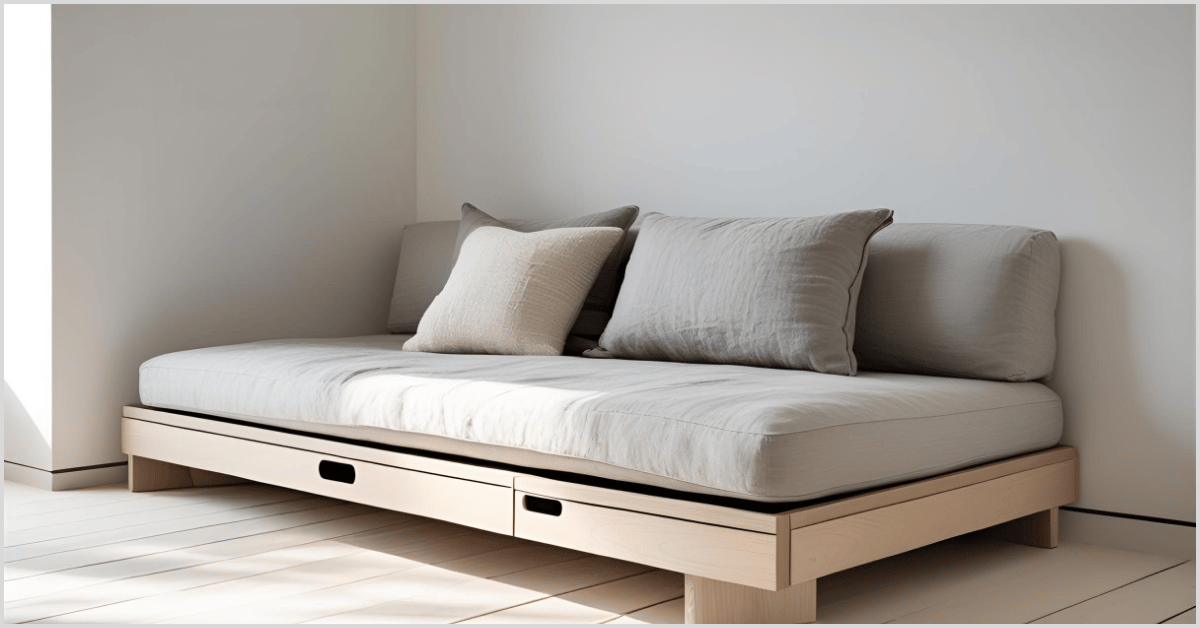
The next step is to move the furniture about, which is a free approach to change the look of a room and make it flow better. Older homes frequently have strange layouts from previous times, like small hallways or big rooms, but you may fix them by moving things around without making any changes.
Start by looking at how traffic flows. For instance, in a Craftsman home, putting sofas such that they face conversation areas instead of walls can make the living room appear more modern and cozy. In interior design, the "rule of thirds" says to divide the area into thirds and put important elements in the right places to make it look balanced.
Try out different focal points. Center seating around architectural jewels, like a bay window in a Tudor home, to draw attention to them. You might also use carpets to separate areas in open-concept spaces like dining, lounging, and reading without walls.
Think about size. Tall bookshelves or lamps can make rooms feel bigger by drawing the eye up. This is because old homes often have high ceilings. Choose furniture that can do more than one thing in smaller rooms, like a mid-century ranch. For example, an ottoman with storage or nested tables that can be put away.
Lighting is also important. Put mirrors across from windows to reflect natural light and brighten up dark areas that are frequent in older buildings.
Feng shui can help with bedrooms. For example, put the bed so that it faces the door but is not directly in line with it to improve the flow of energy. Use toy chests as separators to make play areas in kids' rooms by moving things around.If you have trouble moving around, draw your plans on paper first. You can see things digitally with apps like Room Planner, who save you from having to lift big things and try things.
Example from the real life: A friend changed the cabin from the 1920s by moving the dining table to the solar room, which made the formal dining room a home office. The change made the house feel bigger and more comfortable.
Don't forget about you. You can put books or paintings on the shelves, but because we don't have any hammers, you can use those who are already there or buy some easels.
Seasonal swaps keep things interesting: In summer, use easier events to make the space feel more open, and in winter, use cozy.
Not only makes this strategy look better, it makes them work better. This shows that sometimes everything it takes to get a new look is moving things around.
Changes in Lighting
Lighting is the unsung hero from house makeup, especially in older homes where the original fixtures could not work well or be outdated. You can transform the mood in a room with lamps, pears and careful placement without having to change wires or use tools.
First, change the bulbs. Replace glowing pears for hot tone LEDs (2700K) to make your home look more like natural light and save money on your energy bill. In a Gothic revival home with dark wood, brighter bulbs can make things look better and get rid of gloom.
There are three types of lighting: surroundings (overhead), task (reading lamps) and accent (spotlight on art). You do not need to mount floor lamps so you can move them around. Table lamps on the sideboard make the room feel warmer.
Light is reflected by mirrors and other glossy surfaces.
String lights or fairy lights hanging above curtains make magic at night that doesn't last. Under-cabinet battery-powered strips make counters brighter in kitchens.
Smart bulbs like Philips Hue let you change the color and brightness using an app, so you don't have to rewire your home.
Solar path lights are a safe way to improve the look of your home from the outside.
For example, installing desk lighting to an ancient brownstone changed a dark study into a place where you could get work done.
Lighting can change your mood: chilly lights help you focus, while warm lights help you relax. Plug-in dimmer switches are flexible.
You can make historic homes go from boring to dramatic without using a hammer by learning how to use light.
Updates on Textiles and Accessories
Home decor textiles and accessories are like jewelry: they are easy to replace, make a big difference, and can be taken off. They soften hard edges, add color, and give aging homes charm without making a commitment.
Rugs are a good place to start. Put area rugs on top of worn floors to create spaces and provide texture. A jute rug adds rustic beauty to a farmhouse, and geometric designs stand out in Art Deco.
Curtains change how windows look. Lightweight sheers let light in, but heavier drapes keep the heat in. You don't have to put up rods with clip-on rings.
Throw pillows and blankets can make sofas look new again. For a more eclectic look, mix patterns. For a calmer look, use neutrals.
Bedding in bedrooms: new linens and duvets can make the space look new without having to buy new furniture.
Vases, books, and plants are some of the things that make a space unique. Put things in groups of three or five to make them more interesting to look at.
Wall art: Use adhesive hooks or lean frames on mantels if you can, but try to keep them free-standing.
Change the colors of the seasons: pastels in the spring and earth tones in the fall.
Tablecloths and runners raise the level in dining rooms.
This layer makes ancient homes feel more modern and curated by adding comfort and style.
Treatments for Walls That Don't Use Nails
Walls set the mood, but you don't have to use a hammer to paint, put up decals, or do other things. If you prepare the walls appropriately, you may paint without tools.
Paint changes things. For your health, pick low-VOC. In historic homes, neutral grays give them a more modern look, while accents bring forth their best qualities.
Temporary wallpaper that peels and sticks comes off easily.
Stickers and decals for patterns.
Tension rods with draped fabric make up fabric panels.
Gallery walls: put art on shelves.
These approaches give walls a whole new look while keeping the house's structure intact.
Editing Photos and Virtual Staging
Virtual tools are great for selling or seeing things. No changes in the real world, just digital magic.
Virtual staging adds furniture to photographs digitally to depict what could be.
Photo editing makes pictures better by brightening them and getting rid of clutter.
This is where services like PixelShouters come in. PixelShouters is a top real estate photo editing service that makes listings look amazing by offering high-quality retouching, virtual staging, HDR blending, object removal, and even day-to-dusk conversions. Their low prices and quick service let agents and homeowners show off historic homes in the finest light, literally.
For instance, you can make an old picture of a kitchen look new by swapping out appliances or changing the colors. PixelShouters may change "before" pictures into "after" dreams without having to do any real labor.
They also offer floor plans and image optimization, which makes their websites more appealing. According to industry statistics, properly edited photographs can get 200% more views in a competitive market.
Canva and other tools let you do it yourself, but PixelShouters and other pros make sure the outcomes are perfect.
This digital method is great for historic homes since it shows what can be done without changing anything.
Boosts Curb Appeal Outside
Don't forget about the outside. Sweep the porches, put flowers in containers, and mulch the beds—all without using a hammer.
Add outdoor rugs, hang wreaths, and power wash the siding.
There are solar lights along the walkways.
These minor improvements make a big difference in first impressions.
In Conclusion
You can make an old home look new again without using a hammer. These tactics show that change is possible, from getting rid of clutter to virtual staging with the help of professionals like PixelShouters. Start with minor changes, notice the difference, and enjoy your new area.