

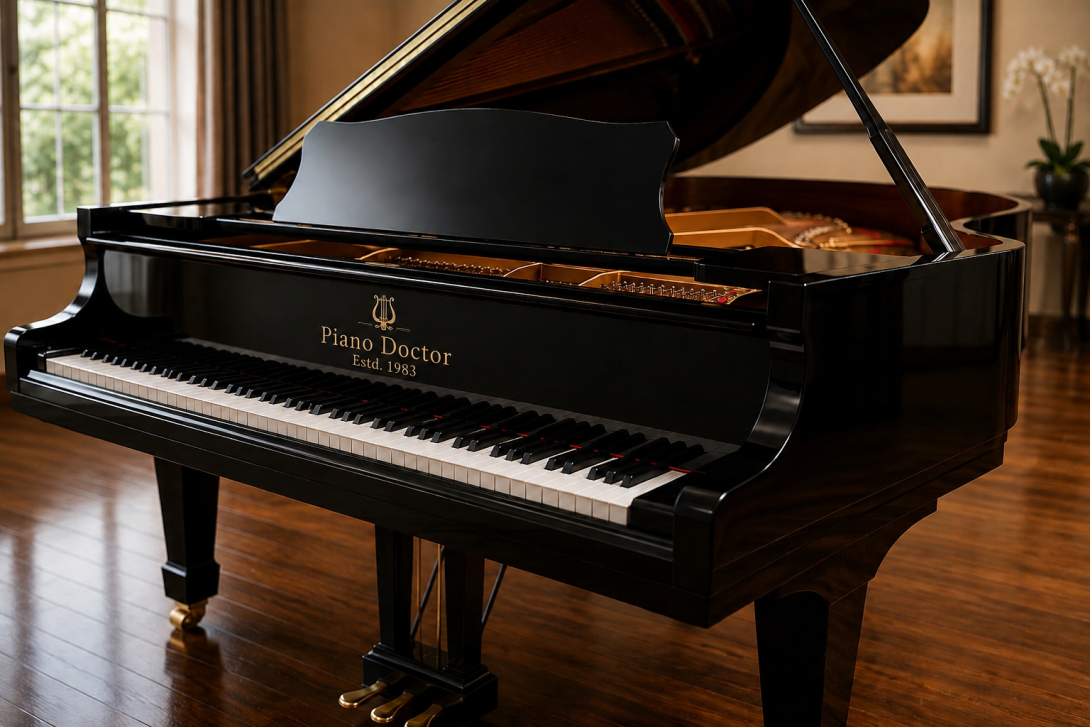
A piano is more than just a piece of furniture, it's a finely tuned instrument that requires consistent care to perform at its best. Many owners underestimate how much regular maintenance affects sound quality, playability, and the instrument's long-term condition. Understanding why tuning matters can help piano owners protect their investment and enjoy a better playing experience for years to come.
Why Pianos Need Regular Tuning
Pianos are made up of thousands of moving parts, including strings that are under significant tension. Over time, changes in temperature, humidity, and regular use cause these strings to shift slightly out of tune. Piano tuning Plano is especially important given the region's seasonal humidity changes, which can affect wood and string tension more than owners realize. Without regular adjustments, a piano gradually loses its accurate pitch, making it sound noticeably different from how it was designed to sound.
The Impact of an Out-of-Tune Piano
An out-of-tune piano doesn't just sound off, it can also affect a musician's ear development and overall playing experience. Beginners in particular benefit from practicing on a properly tuned instrument, since consistent, accurate pitch helps train the ear correctly from the start. Even experienced players notice a difference in tone and responsiveness when a piano hasn't been tuned in a while, which can make practice feel less enjoyable and performances less polished.
What a Professional Piano Tuner Does
Tuning a piano involves far more than simply adjusting a few strings. A skilled piano tuner Plano evaluates the entire instrument, checking for issues beyond pitch, such as sticking keys, uneven hammer wear, or changes in the piano's action. This trained eye can catch small problems early, often preventing more costly repairs down the road. Professional tuning also accounts for the specific type of piano, since grand pianos and upright models can respond differently to seasonal changes and playing frequency.
The Bigger Picture: Ongoing Maintenance
Tuning is just one part of keeping a piano in top condition. Piano maintenance services TX often include additional care such as regulation, voicing, and humidity control recommendations to protect the instrument from environmental damage. Regular maintenance helps preserve the piano's structural integrity, extending its lifespan and maintaining its value, whether it's a family heirloom or a recently purchased instrument.
How Often Should a Piano Be Tuned
Most professionals recommend tuning a piano at least once or twice a year, though frequency can vary based on usage, climate, and the piano's age. Instruments that are played frequently or exposed to fluctuating indoor humidity may benefit from more regular check-ups to maintain consistent sound quality.
Final Thought
Caring for a piano goes beyond occasional cleaning, it requires consistent professional attention to preserve both its sound and its longevity. Regular tuning and maintenance not only improve the playing experience but also protect a valuable investment for years to come. At Piano Doctor, this dedication to quality care ensures every piano receives the attention it deserves.