

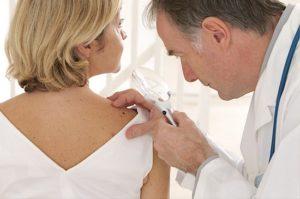
Moles are a common skin feature, and while most are benign, some can be a cosmetic concern or, more seriously, a sign of skin cancer. If you're considering Mole Removal in Islamabad, you might be tempted by the apparent ease and affordability of DIY methods. However, dermatologists and medical professionals universally advise against such practices, emphasizing the significant risks and potential dangers involved. This blog post will delve into the compelling reasons why professional mole removal is significantly safer than DIY methods, highlighting the potential harm of at-home attempts and underscoring the importance of seeking expert care.
The False Appeal of DIY Mole Removal:
The allure of at-home mole removal often stems from:
- Cost: DIY methods appear cheaper in the short term.
- Convenience: Removing a mole at home seems quicker and easier than scheduling a doctor's appointment.
- Privacy: Some individuals may feel embarrassed or uncomfortable discussing their moles with a doctor.
However, these perceived benefits are deceptive and vastly outweighed by the substantial risks.
The Perils of DIY Mole Removal: A Recipe for Disaster:
Numerous DIY mole removal methods circulate online, ranging from applying apple cider vinegar or tea tree oil to using freezing kits or even attempting to cut, burn, or scrape off the mole. These methods are not only ineffective but also carry a high risk of serious complications:
- Misdiagnosis and Delayed Cancer Treatment: A Life-Threatening Risk: This is the most critical danger. Many individuals cannot distinguish between benign moles and malignant melanoma (skin cancer). Attempting to remove a cancerous mole at home can delay crucial treatment, allowing the cancer to spread and significantly impacting prognosis. This is a life-threatening risk that should never be taken.
- Infection: A Gateway to Serious Health Problems: At-home methods lack the sterile environment and proper hygiene protocols of a medical setting. This dramatically increases the risk of bacterial, fungal, or viral infections, which can lead to serious complications, including cellulitis, abscesses, and even sepsis.
- Scarring and Disfigurement: Leaving Lasting Damage: DIY techniques often cause significant skin damage, leading to unsightly scarring, keloids (raised scars), or disfigurement. The cosmetic outcome can be far worse than the original mole, leaving permanent reminders of the failed attempt.
- Incomplete Removal and Regrowth: A Cycle of Frustration: At-home methods often fail to remove the entire mole, including its root. This can lead to regrowth, requiring further treatment and potentially making future removal more complex and costly.
- Pain and Discomfort: An Unnecessary Ordeal: Many at-home methods are painful and can cause significant discomfort, especially without proper anesthesia.
- Hyperpigmentation or Hypopigmentation: Skin Discoloration: DIY methods can disrupt the skin's pigment-producing cells, leading to discoloration (darker or lighter patches) around the treated area. This can be particularly noticeable on the face.
- Allergic Reactions: Unpredictable and Unpleasant: Some at-home remedies, like certain oils or chemicals, can trigger allergic reactions, causing redness, itching, and inflammation.
The Safety and Expertise of Professional Mole Removal:
Professional mole removal, performed by a qualified dermatologist, offers several crucial advantages:
- Accurate Diagnosis: The Foundation of Safe Treatment: A dermatologist can accurately diagnose the mole, differentiating between benign and potentially cancerous lesions. This is the cornerstone of safe and effective mole removal.
- Appropriate Technique Selection: Tailored to Your Needs: The dermatologist will recommend the most suitable removal technique based on the mole's characteristics, location, and your skin type. This personalized approach maximizes effectiveness and minimizes risks.
- Sterile Environment and Hygiene: Minimizing Infection Risk: Professional mole removal is performed in a sterile environment with strict hygiene protocols, significantly reducing the risk of infection.
- Minimally Invasive Techniques: Optimizing Cosmetic Results: Dermatologists use minimally invasive techniques, such as laser removal, cryotherapy, electrocautery, shave excision, or surgical excision, depending on the mole. They are trained to minimize scarring and optimize cosmetic results.
- Effective Anesthesia: Ensuring Patient Comfort: Local anesthesia is used to numb the area, ensuring a relatively painless procedure.
- Complete Removal: Reducing the Chance of Regrowth: Professional techniques are designed to remove the entire mole, reducing the chance of regrowth and the need for further treatment.
- Proper Aftercare Instructions: Promoting Healing and Preventing Complications: Dermatologists provide detailed aftercare instructions to promote healing and minimize complications.
- Early Detection of Skin Cancer: A Life-Saving Benefit: If a mole is suspected to be cancerous, the dermatologist can perform a biopsy and send the tissue for pathological examination, enabling early detection and treatment of skin cancer.
Choosing a Qualified Dermatologist: Your Partner in Skin Health:
When seeking professional mole removal, select a dermatologist who is:
- Board-certified in dermatology.
- Experienced in mole removal procedures.
- Reputable and has positive patient reviews.
- Communicates clearly and patiently.
Cost Considerations: An Investment in Your Health, Not an Expense:
While at-home mole removal might seem cheaper initially, the potential complications and costs associated with treating infections, scarring, or delayed cancer diagnosis can be far more significant in the long run. Investing in professional mole removal is an investment in your health and well-being, not an expense.
Conclusion: Professional Treatment is the Only Safe and Responsible Choice:
DIY mole removal is extremely dangerous and can have devastating consequences. Prioritize your health and safety by seeking professional care from a qualified dermatologist. Early detection and treatment of skin cancer are crucial, and only a dermatologist can accurately diagnose and treat any skin concerns. This blog post provides general information and does not constitute medical advice. Always consult with a qualified healthcare professional for personalized guidance and treatment recommendations.