

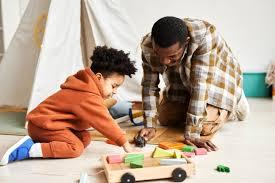
Children learn best in environments where they feel safe, comfortable, and supported. For many children who benefit from structured behavioral support, the home is the most natural place for learning to occur. Home-based ABA therapy allows skill development to happen within everyday routines, familiar surroundings, and real-life interactions, making learning meaningful and easier to apply.
Learning in a Familiar Environment
The home is where children spend most of their time and feel most secure. Familiar people, toys, and routines reduce anxiety and help children stay engaged. When learning occurs in a comfortable setting, children are more willing to participate, try new skills, and remain focused.
Because the environment is already familiar, children can concentrate on learning rather than adjusting to unfamiliar surroundings.
Skills Are Taught Where They Are Used
One of the greatest strengths of learning at home is that skills are taught exactly where they are needed. Children practice communication, behavior, and daily living skills during real situations such as mealtimes, play, bedtime routines, and transitions.
This approach helps children understand why a skill is important and how to use it naturally in their daily lives.
Encourages Natural Generalization of Skills
Generalization is the ability to use learned skills across different situations, people, and environments. Learning at home makes this process more natural because children practice skills with family members throughout the day.
When children consistently use skills during daily routines, they are more likely to remember them and apply them independently without extra prompting.
Stronger Family Involvement
Family involvement is an important part of skill development. When learning takes place at home, parents and caregivers can observe strategies, participate in activities, and support learning throughout the day.
This involvement helps families:
- Reinforce positive behaviors
- Maintain consistent routines
- Support communication and emotional regulation
- Encourage independence
Consistent support from caregivers strengthens progress and builds confidence.
Supports Emotional Comfort and Security
Children often feel emotionally secure at home, which supports better learning outcomes. Feeling safe allows children to take risks, practice new skills, and recover more easily from challenges.
Emotional comfort reduces stress and helps children remain engaged, making learning experiences more positive and effective.
Flexible and Individualized Learning
Every child is unique, and learning approaches should reflect individual needs. Home-based learning allows strategies to be adjusted based on the child’s strengths, challenges, and daily routines.
Learning goals can focus on areas that matter most to the child and family, such as communication, behavior regulation, social interaction, or daily living skills.
Building Independence Through Daily Living Skills
Daily living skills are best learned in real-life settings. Practicing tasks such as dressing, eating, hygiene, and organizing belongings at home helps children gain confidence and independence.
As children master these skills, they become more self-reliant and motivated to take on new challenges.
Consistency and Routine Encourage Progress
Predictable routines help children understand expectations and feel secure. Learning within consistent daily schedules supports smoother transitions and improved cooperation.
Routine practice strengthens skill retention and supports long-term progress.
Conclusion
Home-based ABA therapy helps children build skills naturally by integrating learning into everyday life. By teaching skills within familiar routines and encouraging family involvement, children are better able to apply what they learn in meaningful ways.
When learning feels natural and supportive, children gain confidence, independence, and the skills they need to grow and thrive in their daily environments.