
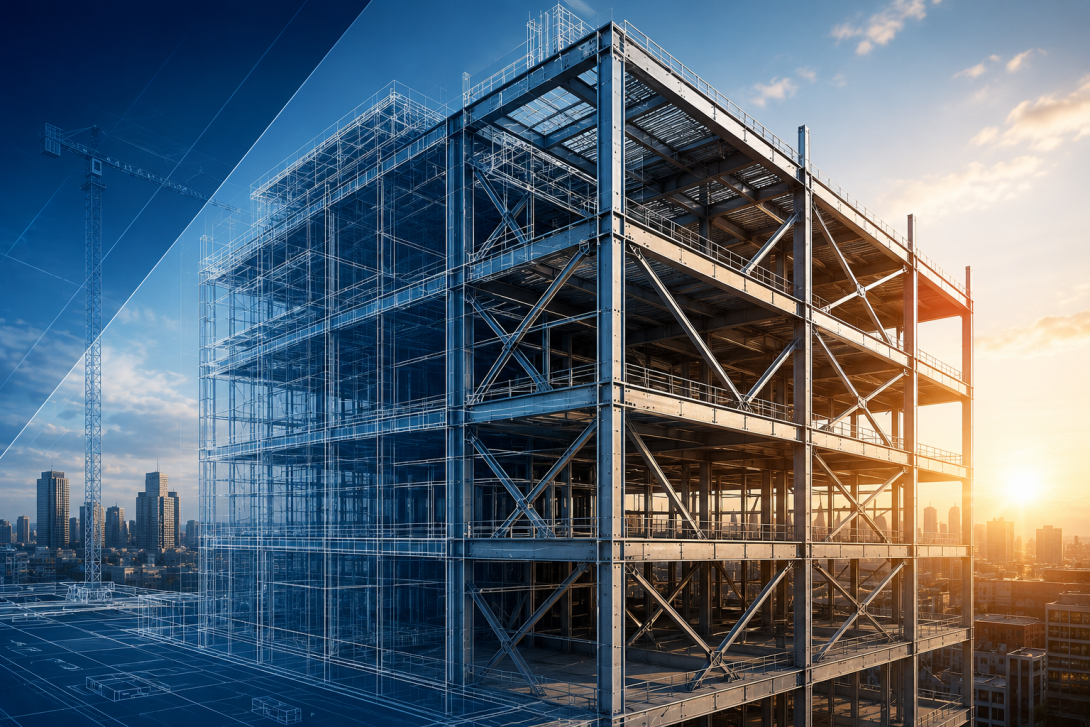
When a building failure makes the news, it often seems sudden and unexpected. But in reality, most structural failures don’t happen overnight. They develop gradually, showing subtle warning signs long before anything serious occurs.
Structural engineering services is not just about designing strong buildings—it’s also about understanding how and why things go wrong over time.
The Myth of Instant Failure
People often assume that buildings collapse without warning. In most cases, this isn’t true.
Before any major failure, structures usually experience:
- small cracks
- unusual deflections
- changes in alignment
- material deterioration
These signs may appear minor, but they are often early indicators of deeper issues.
Cracks: More Than Just Cosmetic
Cracks are one of the most common warning signs in buildings.
Not all cracks are dangerous, but their pattern and location matter:
- vertical cracks may indicate settlement
- diagonal cracks can suggest shear stress
- horizontal cracks may point to serious structural problems
Ignoring these signs can allow problems to grow over time.
Deflection and Deformation
Another key indicator is deflection—when structural elements bend or sag under load.
A small amount of deflection is normal, but excessive movement can signal:
- overloaded members
- weakened materials
- design or construction issues
Engineers monitor these changes to assess structural health.
Material Deterioration
Over time, materials naturally degrade.
For example:
- concrete can crack or lose strength
- steel can corrode
- timber can weaken due to moisture
Environmental factors like temperature changes, humidity, and chemical exposure accelerate this process.
Load Changes Over Time
Buildings are often used differently than originally intended.
For instance:
- additional floors or equipment may be added
- occupancy levels may increase
- new loads may be introduced
If the structure isn’t designed for these changes, stress levels can exceed safe limits.
Foundation Movement
The foundation plays a critical role in stability.
Issues such as:
- soil settlement
- water infiltration
- poor soil conditions
can cause uneven support, leading to cracks and structural imbalance.
The Importance of Regular Inspection
One of the most effective ways to prevent failure is through routine inspection.
Engineers look for:
- visible damage
- unusual structural behavior
- signs of wear and tear
Early detection allows for timely repairs before problems escalate.
The Role of Preventive Engineering
Modern engineering is not just reactive—it’s proactive.
Design strategies now focus on:
- durability
- adaptability
- long-term performance
This reduces the likelihood of unexpected failures.
In practical applications, coordinated design approaches—like those used by engineering teams such as Engides—help identify potential risks early by aligning structural planning with real-world usage and environmental conditions.
Why People Often Ignore Warning Signs
Many warning signs go unnoticed because:
- they seem minor
- they develop slowly
- they don’t immediately affect usability
However, ignoring them can lead to serious consequences over time.
Long-Term Impact of Neglect
When early signs are ignored, problems can escalate into:
- major structural damage
- expensive repairs
- safety risks
In extreme cases, this can lead to partial or complete failure.
Conclusion
Buildings rarely fail without warning. The signs are almost always there—cracks, movement, material changes—but they require attention and understanding.
Structural engineering plays a key role not just in creating safe buildings, but in identifying and addressing risks before they become critical.
By paying attention to early warning signs and maintaining proper inspection and design practices, we can ensure buildings remain safe, stable, and reliable for years to come.