
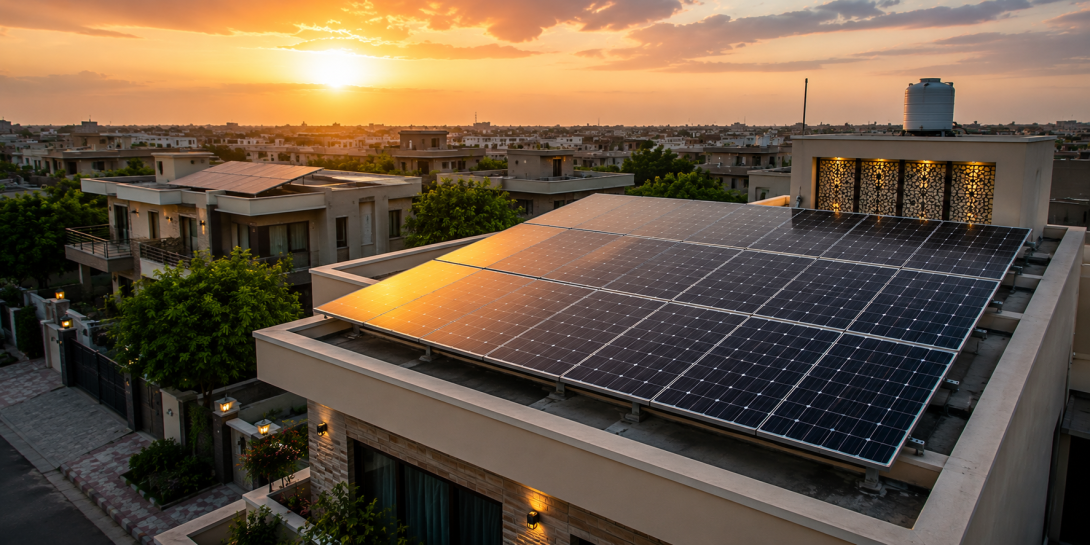
Energy consumption patterns across Pakistan have undergone a massive shift over the past few years as citizens and business owners seek reliable alternatives to soaring grid electricity prices. Traditional power generation methods rely heavily on imported fossil fuels which lead to unpredictable tariff hikes and frequent supply instability. In response to these pressing challenges renewable energy sources have emerged as the most viable and sustainable path forward for the country. Solar power in particular harnesses the abundant sunlight available throughout the region to deliver clean electricity directly to homes and commercial establishments.
The financial burden of rising utility bills affects households and industries alike creating an urgent need for independent power generation solutions. Installing a photovoltaic system allows property owners to generate their own electricity significantly reducing monthly expenses while protecting against future inflation in energy costs. Beyond immediate monetary savings transitioning to solar energy contributes to a cleaner environment by lowering carbon emissions and decreasing reliance on non renewable resources. This dual advantage of economic relief and environmental stewardship makes solar adoption an attractive proposition for everyone looking to secure their energy future.
Navigating the transition to renewable power requires partnering with experienced professionals who understand the technical requirements of modern photovoltaic installations. Property owners looking for dependable power solutions often turn to lahore solar companies to design and execute customized energy systems tailored to their specific consumption needs. These expert service providers bring technical expertise quality equipment and professional installation standards ensuring that every solar setup operates at peak efficiency for decades to come.
Why Transitioning to Renewable Energy is Essential for Modern Households
Modern living demands a continuous and stable supply of electricity to power household appliances cooling systems and digital devices. Traditional power grids fail to deliver this consistency resulting in disruptions that affect daily routines and damage sensitive electronic equipment. By adopting renewable energy systems families can safeguard their homes against unexpected power outages and voltage fluctuations.
Solar panels generate clean electricity silently and efficiently during daylight hours providing a reliable power source that reduces overall grid dependence. Furthermore incorporating battery storage solutions ensures that excess energy produced during the day is stored for use during nighttime hours or grid failures. This level of self sufficiency brings peace of mind and elevates the quality of life for every household member.
The Crucial Role of Professional Solar Installation Services
Designing and implementing a residential or commercial solar system is a complex engineering task that demands precision and technical knowledge. Professional installation teams conduct thorough site assessments to evaluate shadow patterns roof orientation and structural integrity before recommending equipment configurations.
Expert engineers calculate the exact power load requirements to ensure that the inverter capacity and panel array match the specific energy consumption profile of the property. Professional installers also manage the intricate wiring mounting structures and safety mechanisms required to protect the system from electrical hazards. Entrusting your solar project to qualified specialists guarantees optimal energy generation and compliance with local safety regulations and utility guidelines.
Key Components of a High Efficiency Residential Solar System
A robust solar power system comprises several critical components working seamlessly together to convert sunlight into usable alternating current electricity. Photovoltaic panels form the primary capture layer utilizing high grade silicon cells to absorb solar photons and generate direct current power.
The inverter acts as the brain of the system converting direct current electricity into alternating current suitable for running household appliances and office equipment. Mounting structures secure the panels firmly at the ideal angle to maximize sunlight capture across changing seasonal positions. Additionally smart monitoring devices allow system owners to track real time energy production and consumption through mobile applications ensuring total visibility and control over their power generation.
Financial Benefits and Return on Investment of Solar Power
Investing in a solar energy system represents a major capital expenditure that yields substantial long term financial returns. While the initial setup cost requires careful budgeting the dramatic reduction in monthly electricity bills allows homeowners to recover their investment within a few years.
Once the payback period is complete the electricity generated by the system is virtually free providing decades of power without ongoing fuel costs. Moreover properties equipped with modern solar installations experience an increase in market value and attract prospective buyers looking for energy efficient homes. Financial planning for solar adoption involves evaluating upfront costs against lifetime savings making it one of the smartest investments a property owner can make.
Understanding Net Metering Policies and Electricity Exporting
Net metering has revolutionized the solar landscape in Pakistan by allowing consumers to export excess electricity back to the national grid. When a solar system generates more power than the property consumes the surplus electricity flows through a bidirectional meter into the utility network.
The utility company credits the consumer for the exported units which are then deducted from their electricity bill during billing cycles when power consumption exceeds solar production. This mechanism significantly accelerates the return on investment and rewards consumers for contributing clean energy to the grid. Navigating net metering approvals requires proper documentation and technical compliance which experienced solar providers manage seamlessly on behalf of their clients.
Overcoming Common Misconceptions About Solar Energy Systems
Despite the widespread adoption of solar power several misconceptions still linger among potential buyers regarding its reliability and performance. A common myth suggests that solar panels do not work on cloudy or rainy days whereas modern photovoltaic technology efficiently captures diffuse sunlight even in overcast weather.
Another misconception is that solar systems require excessive maintenance while in reality solar panels have no moving parts and only require occasional cleaning to maintain peak efficiency. People also worry about the durability of panels during extreme weather events but certified high quality panels are engineered to withstand heavy winds hail and storms. Understanding the factual realities of solar technology empowers consumers to make confident decisions without falling for outdated myths.
Maintenance Best Practices to Ensure Long Term Solar Performance
Maintaining a solar power system is relatively straightforward but requires periodic checks to ensure maximum energy yield and system longevity. Dust debris bird droppings and industrial pollutants can accumulate on the surface of photovoltaic panels obstructing sunlight and reducing overall generation capacity.
Periodic washing with clean water and a soft brush helps restore panel transparency and keeps energy production at optimal levels. System owners should also review inverter display panels or mobile monitoring software regularly to detect any sudden drops in power generation or error codes. Scheduling annual professional inspections allows technicians to check wiring connections terminal tightness and grounding systems preventing minor issues from developing into costly repairs.
Choosing the Right Capacity for Your Home or Commercial Property
Selecting the appropriate system capacity is a critical step that determines whether your solar installation will meet your daily energy demands efficiently. A smaller system may leave you reliant on grid power during peak usage hours while an oversized system unnecessarily increases initial capital expenditure without providing proportional benefits.
Professional energy consultants analyze past electricity bills seasonal consumption variations and future expansion plans to determine the precise kilowatt capacity required for your property. Factoring in heavy appliances such as air conditioners water pumps and commercial machinery ensures that the designed system delivers uninterrupted performance under all operational conditions. Careful capacity planning guarantees maximum utility and financial efficiency from your solar investment.
The Future of Sustainable Energy and Smart Grids in Urban Centers
Urban centers across Pakistan are rapidly evolving toward smarter energy ecosystems driven by advancements in renewable technology and digital grid integration. The future of power distribution relies on decentralized generation where thousands of residential and commercial solar installations feed clean energy into localized microgrids.
Smart energy management systems will soon automate power distribution storing excess solar energy in advanced battery banks during peak production and releasing it during peak demand. This transition reduces strain on centralized power plants and fosters urban resilience against energy shortages. Embracing solar technology today positions property owners at the forefront of this green revolution paving the way for a cleaner and more sustainable urban future.
Frequently Asked Questions
How long do solar panels typically last before needing replacement?
High quality solar panels are engineered for exceptional durability and typically come with performance warranties spanning twenty five to thirty years. Even after this period panels continue to generate electricity though at a gradually reduced efficiency rate making them a reliable long term investment.
Can a solar system operate during a grid power outage?
Standard grid tied solar systems automatically shut down during grid outages for safety reasons to prevent back feeding electricity into repair lines. However if your installation includes a hybrid inverter and battery storage bank your home will continue to receive uninterrupted power during load shedding.
What is the typical payback period for a residential solar installation?
The payback period for a residential solar system generally ranges between three to five years depending on electricity tariff rates system size and daily energy consumption patterns. Once the initial investment is recovered the electricity produced becomes virtually free for the remainder of the system lifespan.
Do solar panels require extensive maintenance or cleaning?
Solar panels require very little maintenance because they contain no moving parts that can wear out over time. Periodic cleaning with water to remove dust and debris combined with an annual professional inspection is all that is needed to keep the system running smoothly.
How does net metering benefit solar system owners?
Net metering allows solar owners to send surplus electricity generated during peak sunlight hours back into the national utility grid in exchange for billing credits. These credits offset the cost of electricity consumed from the grid during nighttime or cloudy periods significantly reducing monthly utility bills.
Final Thoughts
Transitioning to solar energy represents a transformative step toward financial independence and environmental sustainability for property owners everywhere. By harnessing clean photovoltaic technology families and businesses can overcome the challenges of rising utility tariffs and unreliable power supply. Investing in a professional solar installation ensures long term reliability efficiency and substantial cost savings while contributing to a greener future. Embracing renewable power today lays the foundation for a secure and prosperous energy landscape for generations to come.