

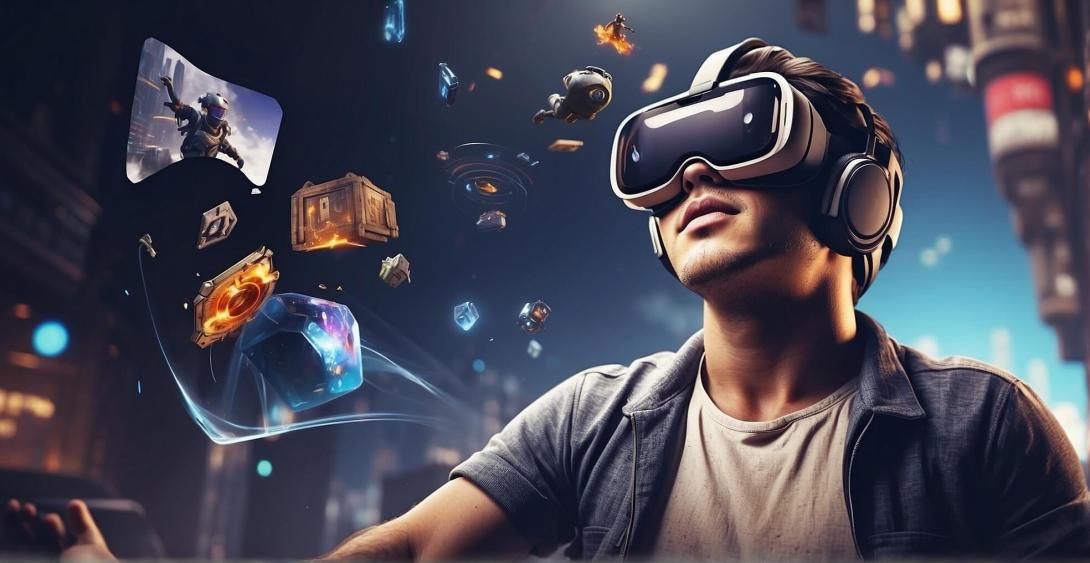
Virtual Reality (VR) has revolutionized the way we experience digital content, and at the forefront of this transformation is VR game development. By placing users inside fully immersive environments, VR games go beyond traditional gameplay and offer unparalleled interactivity, realism, and engagement. As hardware becomes more accessible and development tools more sophisticated, VR is rapidly becoming a mainstream gaming platform with a vast and growing market.
This article explores what VR game development entails, the tools and technologies behind it, the development process, key challenges, and the future of virtual reality in gaming.
What is VR Game Development?
VR game development is the process of designing and creating video games for virtual reality platforms. Unlike traditional games that are viewed on a screen, VR games immerse players in a 360-degree digital environment using head-mounted displays (HMDs) like the Meta Quest, PlayStation VR, HTC Vive, and others. These games often incorporate motion tracking, spatial audio, and haptic feedback to deepen immersion.
From action shooters and adventure RPGs to educational simulations and puzzle games, VR spans genres and player demographics. Whether fully seated, standing, or room-scale, VR gameplay brings a new dimension to user experience.
Key Technologies Behind VR Game Development
Creating immersive VR experiences requires a combination of advanced software and hardware:
1. Head-Mounted Displays (HMDs)
Devices like Meta Quest 3, HTC Vive, PlayStation VR2, and Valve Index are used to view and interact with VR games. These devices support:
- Stereoscopic 3D visuals
- Motion tracking
- Head movement detection
- Hand controllers or full-body tracking
2. Game Engines
Most VR games are built on powerful game engines that support VR integration:
- Unity: Popular for indie and mobile VR games. Supports Meta Quest, HTC Vive, Oculus Rift, and more.
- Unreal Engine: Known for high-end visuals and advanced physics, often used in AAA VR titles.
3. Motion Tracking & Input Devices
VR systems track head, hand, and body movements. Controllers, gloves, and full-body suits are used for immersive interaction.
4. Spatial Audio
Spatial or 3D audio technology allows sounds to come from specific directions within the VR environment, enhancing realism.
5. Haptic Feedback
Advanced controllers and wearables offer tactile feedback that simulates the sense of touch.
The VR Game Development Process
Developing a VR game involves several detailed stages:
1. Concept and Design
Start with a unique idea suited for VR. Not all traditional games translate well into VR, so developers must consider:
- Natural player movement
- Comfortable camera perspectives
- Interaction models (e.g., gesture, gaze, controller-based)
Designing for immersion means rethinking the entire user interface and experience.
2. Prototyping
Before full development, create a VR prototype to test mechanics, comfort, and interaction. This helps determine whether the gameplay concept works in an immersive space.
3. 3D Modeling and Asset Creation
VR games require high-quality, optimized 3D assets. Tools like Blender, Maya, and ZBrush are used to design characters, environments, and props. Optimization is crucial to maintain smooth performance on VR hardware.
4. Development and Programming
Using engines like Unity or Unreal Engine, developers build the game logic:
- Movement and control systems
- VR interactions (grabbing, teleporting, shooting, etc.)
- Object physics and environmental behaviors
Coding is typically done in C# (Unity) or C++ (Unreal Engine), with visual scripting options also available.
5. User Interface (UI) Design
Traditional UI elements like menus and health bars don’t work well in VR. Designers must create spatial UIs—floating menus, wrist-mounted HUDs, or gaze-controlled buttons.
6. Testing and Optimization
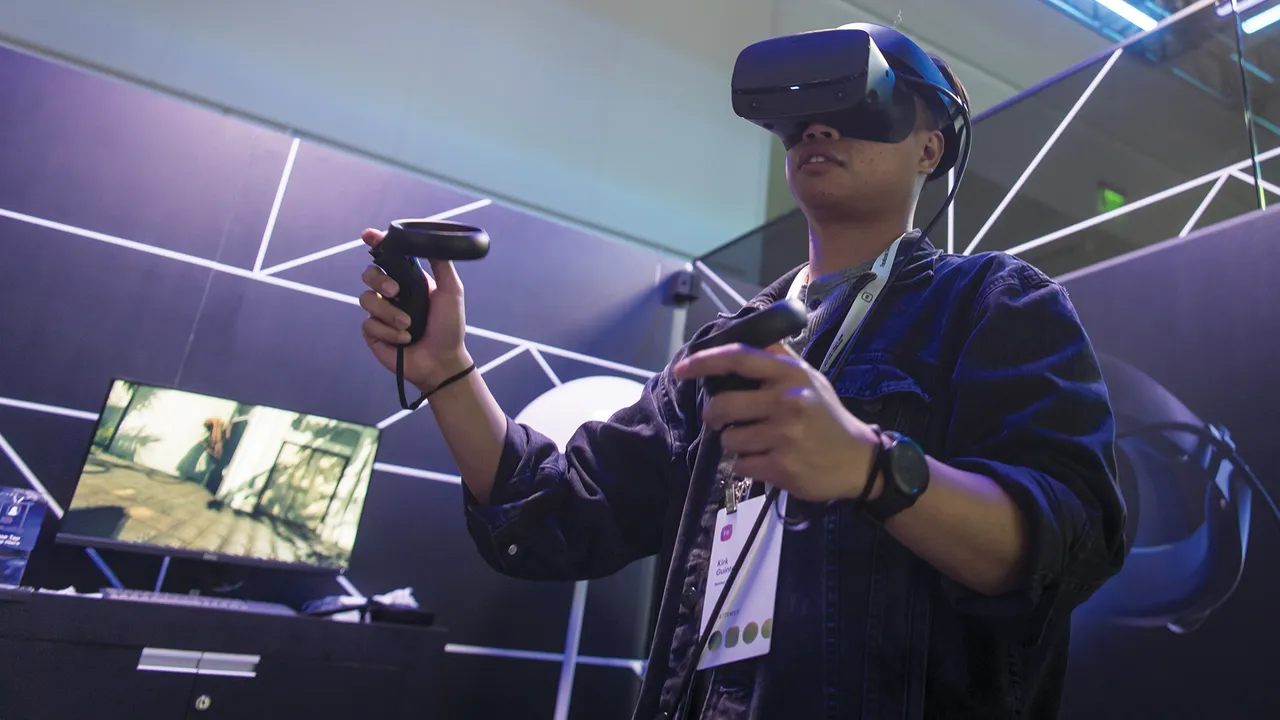
VR requires thorough testing to ensure comfort and performance. Key areas include:
- Frame rate (ideally 90 FPS or higher)
- Latency reduction
- Motion sickness mitigation
- Tracking precision
Playtesting is crucial to identify nausea-inducing experiences and refine controls.
7. Deployment and Distribution
VR games can be distributed on:
- Meta Quest Store
- SteamVR
- PlayStation Store (for PS VR games)
- Viveport
Publishing requires following each platform’s specific submission and quality guidelines.
Challenges in VR Game Development
While exciting, VR game development comes with unique hurdles:
1. Motion Sickness
Improper movement mechanics, lag, or low frame rates can induce discomfort or nausea. Developers must carefully balance immersion with user comfort.
2. Hardware Limitations
Despite advancements, not all users have high-end VR equipment. Games must be optimized for different performance levels and ensure accessibility.
3. Design Complexity
Designing intuitive and immersive interactions requires rethinking traditional gameplay mechanics. Poorly implemented controls can break immersion or confuse users.
4. High Development Costs
Creating immersive environments, optimized 3D assets, and haptic feedback requires a larger budget and more development time than traditional 2D or 3D games.
5. Limited User Base
Although growing, the VR market is still smaller than mobile or PC. Developers must target the right niche or platform to find success.
Popular VR Game Genres
Some genres work exceptionally well in VR due to their immersive potential:
- First-Person Shooters (e.g., Half-Life: Alyx, Pavlov VR)
- Horror/Thriller (e.g., Phasmophobia, The Walking Dead: Saints & Sinners)
- Adventure and Exploration (e.g., The Climb, Red Matter)
- Fitness and Rhythm (e.g., Beat Saber, Supernatural)
- Puzzle Games (e.g., I Expect You to Die, Tetris Effect VR)
Future Trends in VR Game Development
The future of VR gaming is promising, driven by technological advancements and growing market interest:
1. Wireless, Standalone VR
Devices like the Meta Quest series eliminate the need for PCs or external sensors, making VR more accessible and portable.
2. Social VR and Multiplayer Games
Games like VRChat and Rec Room are turning VR into a social experience. Multiplayer VR games are becoming more common and engaging.
3. Full-Body Tracking and Haptics
Full-body VR suits and haptic gloves will elevate immersion, allowing players to "feel" in-game actions and environments.
4. AI Integration
AI-driven NPCs and procedural content generation will create more dynamic, personalized gaming experiences.
5. Cross-Reality (XR) Experiences
Integration of AR and VR (Mixed Reality) will enable seamless transitions between real and virtual spaces in gaming.
Conclusion
VR game development is reshaping the gaming landscape by offering fully immersive, interactive experiences that engage players on a whole new level. As technology becomes more accessible and demand for immersive content rises, VR will continue to evolve from a niche market into a mainstream entertainment medium.