

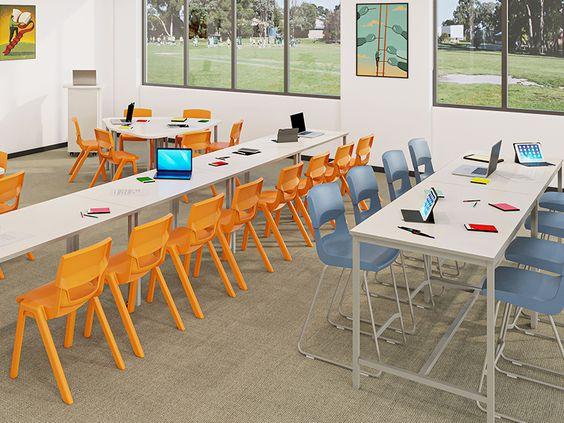
School furniture plays a critical role in shaping the learning environment, yet it’s often overlooked in broader discussions about education. Behind the scenes, desks, chairs, and storage solutions significantly impact students' focus, comfort, and engagement in the classroom.
Ergonomics and Student Well-Being
Proper ergonomics in school furniture directly affects student posture and long-term health. Furniture that accommodates various body sizes and promotes correct alignment helps reduce discomfort during long study hours. Adjustable chairs and appropriately sized desks reduce physical strain and prevent common issues like back pain. A well-designed classroom setup contributes to better student alertness and minimises distractions caused by discomfort.
Impact on Concentration and Learning Efficiency
The design of classroom furniture has a measurable effect on students' ability to concentrate. Seating arrangements that offer sufficient personal space and good sightlines to the board help maintain focus. Clutter-free desks and accessible storage systems also contribute to an organized mental state, improving attention spans. When furniture supports the natural movement and posture of students, it enhances cognitive processing and learning outcomes.
Promoting Collaboration Through Layouts
Furniture choices influence how students interact with one another. Mobile desks and modular seating arrangements allow quick reconfiguration of the classroom for group activities. This flexibility encourages collaborative learning and problem-solving. Furniture that supports eye contact and group visibility creates more effective teamwork dynamics and fosters communication skills.
Adaptability for Diverse Learning Styles
A well-equipped classroom accommodates varied learning preferences. Some students thrive in quiet corners, while others benefit from communal tables. Furniture options like reading nooks, standing desks, and cushioned benches provide environments suited to different tasks and temperaments.
Durability and Long-Term Value
High-quality school furniture must withstand daily use by hundreds of students while maintaining function and aesthetics. Materials like laminated wood, powder-coated metal, and high-impact plastics offer long-term value. Durable furniture reduces replacement frequency and lowers maintenance costs. Investing in sturdy construction also demonstrates a commitment to student welfare, reflecting institutional values through physical space.
Safety Considerations in Design
Safety is an essential element in school furniture design. Rounded corners, stable bases, and non-toxic finishes are crucial for reducing accidents and promoting health. Fire-resistant materials and anti-tipping mechanisms further enhance student protection. Ensuring safety doesn't compromise function or design; rather, it builds a trustworthy environment where students feel secure to learn and grow.
Bottom-line
From ergonomics to inclusivity, school furniture is far more than a logistical necessity - it’s a foundational component of effective education. Investing in thoughtful, adaptable, and safe furniture helps create an environment where all students can thrive academically and socially.