

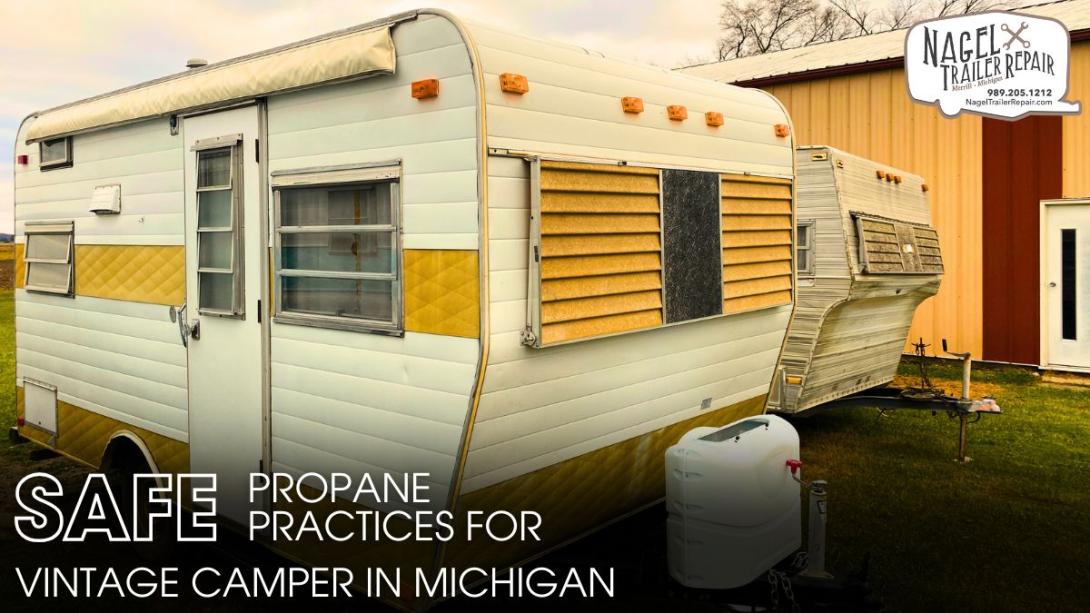
Vintage campers bring adventure, charm, and unforgettable Michigan road trips — but only when their propane systems work safely and efficiently.
Because many vintage campers rely on older propane lines, outdated regulators, or worn-out appliances, even a small leak can create major risks — especially during cold weather camping or while traveling far from home.
In this guide, you’ll learn safe propane practices tailored specifically for vintage campers in Michigan, so you can enjoy every journey with confidence, comfort, and peace of mind.
Why Propane Safety Matters?
Propane enables some of the most essential conveniences inside a vintage camper: heating, refrigeration, cooking, and even hot water. But older systems found in classic campers are more vulnerable to damage and system failure. Michigan’s climate intensifies this risk—winter temperatures often drop below freezing, while hot summers can rapidly expand tanks and lines.
This means it’s crucial for anyone seeking vintage camper repair in Michigan to treat propane safety as a top priority. Damaged or malfunctioning propane components can lead to:
- Fire hazards from leaks near open flames
- Carbon monoxide buildup from poorly burning appliances
- Loss of heat during freezing nights on the road
- Fuel waste and higher operating costs
- Travel plans disrupted by emergency breakdowns
Vintage campers typically use copper or rubber propane lines, which age faster than modern flexible hoses. Owners should consider upgrading or replacing key components, especially if they notice wear, rust, or cracking. Safe propane practices protect not only your camper’s integrity but also the well-being of everyone who travels inside it.
Inspect the Propane System:
Before each travel season begins, it’s essential to inspect every part of the propane system—from the tank to the appliances. Michigan’s roads can be rough, and continuous vibration from towing may loosen fittings or stress older components. If a camper hasn’t been serviced in years, a professional propane check should be the first step in any camper repair Michigan appointment.
Key parts to inspect include:
- Propane Tanks: Ensure certification dates are valid; tanks older than 10–12 years must be recertified or replaced.
- Regulators: Worn regulators may deliver inconsistent fuel pressure, affecting burn quality.
- Hoses and Lines: Look for chafing, UV damage, rodent chewing, or corrosion—especially at joints.
- Mounting Brackets: Loose brackets pose risk when traveling across uneven terrain.
- Appliance Fittings: Confirm all threaded connections are secure and tight.
If you ever hear a hissing sound, smell propane, or notice excess condensation near lines or tanks—stop using the system immediately. A technician specializing in RV repair services can run pressure tests and use leak-detection technology to ensure everything is functioning properly before you travel.
Detect and Prevent Leaks:
Propane leaks remain one of the most dangerous issues found during mobile camper repair services. Because propane is heavier than air, it sinks and can pool in lower areas like under appliances or inside storage compartments. These pockets become explosive if a flame or spark is introduced.
Several steps can help identify or prevent leaks early:
- Use a soap-and-water test: Apply bubbles to fittings and watch for expansion.
- Install leak detectors: Place near the floor in areas where gas might collect.
- Check flame quality: A yellow or sputtering flame often indicates poor combustion, suggesting a leak or pressure issue.
- Ventilate properly: Never block exhaust vents, especially in cold weather.
- Shut off propane when traveling: Valves should always be closed during transit.
If a leak appears:
- Turn off the propane supply immediately
- Avoid using electrical switches or open flames
- Evacuate pets and people from the camper
- Contact a certified propane professional
Prompt response prevents disaster and ensures you stay safe during future camping trips.
Maintain Propane Appliances:
Appliances inside vintage campers aren’t just old—they often use completely different technology than modern RV systems. Dust, insects, rust, or improper air mixture can lead to incomplete combustion, causing harmful carbon monoxide buildup.
To avoid appliance-related propane hazards:
- Stove & Oven
- Clean burner ports regularly
- Ensure proper ventilation while cooking
- Check flame height and color
- Refrigerator
- Keep ventilation panels free of debris
- Inspect burner chamber annually
- Avoid operating the fridge off-level
- Furnace
- Clean or replace filters before winter trips
- Listen for unusual noises or weak airflow
- Test the CO detector monthly
Other propane-powered systems, like water heaters or catalytic heaters, should also undergo yearly servicing.
A professional specializing in vintage camper repair in Michigan understands the design differences between older appliances and modern RV equipment. They can adjust air-fuel ratios and ensure safe operation, especially in Michigan’s colder climates where propane use increases dramatically.
Store and Transport Safely:
Propane cylinder safety extends outside the camper too. Transporting propane incorrectly can create dangerous conditions. For Michigan road travel, secure storage prevents valve damage and reduces leak potential during bumps and turns.
Best practices include:
- Upright storage only — liquid propane can escape if the safety valve hits liquid fuel
- Keep tanks outside the living space to prevent gas buildup
- Avoid direct heat and sunlight to minimize pressure spikes in summer
- Remove outdated tanks beyond certification or showing rust and dents
- Verify valve protection covers are installed during travel
When refilling tanks in Michigan, ensure the provider is certified and familiar with camping propane systems—not all refill stations understand RV-specific regulations.
Additionally, always keep a fire extinguisher rated Class B or ABC inside the camper. Quick action can prevent a minor incident from escalating into major damage.
Choose Professional Help:
Propane systems involve both mechanical and safety regulation complexities. Vintage models, in particular, require technicians who understand outdated fittings, discontinued appliance parts, and evolving Michigan safety codes.
Choosing a qualified service provider ensures:
- Proper leak diagnostics using approved tools
- Pressure regulation adjustments for optimal fuel burn
- Compliance with Michigan RV safety laws
- Correct installation of updated components
- Confidence when heading out on long trips
If you’re camping at a remote site, mobile camper repair services can inspect your propane system on the spot — a convenient option for emergencies or full-time travelers exploring Michigan’s Upper Peninsula or state parks.
The Role of Professional Maintenance:
Professional maintenance keeps a vintage camper safe, comfortable, and ready for every Michigan road trip. Certified technicians check propane systems for hidden leaks, worn hoses, and outdated regulators that older trailers often struggle with. They test appliances for proper burn and ventilation, making sure you travel with reliable heat, cooking, and refrigeration. Having an expert inspect the system each season gives you peace of mind and prevents dangerous surprises.
Sticking windows are another common issue that trained pros fix with the right tools and techniques. They identify the cause—whether it’s swollen wood, damaged tracks, or failed seals—and perform adjustments that restore smooth function without harming your camper’s classic charm. With expert support, you protect your investment, avoid costly DIY mistakes, and keep your vintage trailer enjoyable for years to come.
Conclusion:
A vintage camper captures a special kind of freedom — the ability to travel the open roads of Michigan while enjoying classic RV style and craftsmanship. To ensure every adventure remains safe and comfortable, propane system care must become part of your routine maintenance plan. With thorough inspections, leak prevention, well-maintained appliances, secure tank transport, and help from skilled repair experts, you can travel confidently through every Michigan season.
Whether restoring a beloved classic or prepping for your next camping journey, proper propane care transforms worry into peace of mind — letting you focus on memories instead of repairs. If you’re ready to upgrade or service your propane system, reach out to a trusted vintage camper repair in Michigan specialist who understands the unique needs of your home on wheels.