

India’s power sector is moving into an important stage of transformation. Renewable power generation is expanding at a rapid pace, even as electricity consumption continues to increase across manufacturing, industries, transportation, digital infrastructure and residential users. With solar and wind accounting for a growing portion of electricity generation, attention is now turning towards the infrastructure needed to move this power and ensure dependable supply.
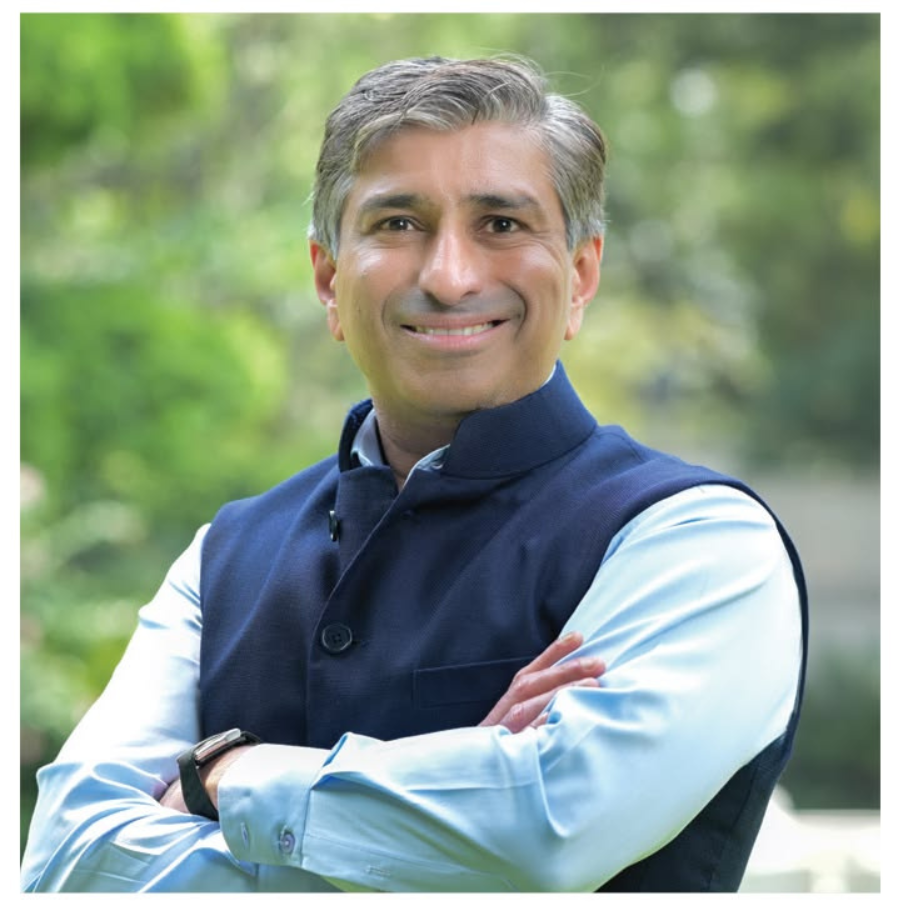
For Ratul Puri, Chairman of Hindustan Power, the expansion of renewable power forms an important part of India’s broader energy-security objectives. Adding clean generation capacity is essential, but its effectiveness depends equally on efficient transmission networks and the systems required to deliver electricity to end users.
Renewable Expansion Is Opening New Possibilities
India has considerably increased its solar and wind generation capabilities in recent years. Lower technology costs, competitive bidding and rising capital investment have helped renewable power establish a stronger position within the country’s overall electricity portfolio.
The next phase of development will depend on projects capable of adding substantial generation while addressing the changing power needs of states and supporting the wider economy.
Hindustan Power’s 435 MWp solar installation in Lalitpur, Uttar Pradesh, reflects this broader development. The project was awarded through a 2025 tender conducted by Uttar Pradesh Power Corporation Limited (UPPCL) and is supported by a long-duration Power Purchase Agreement.
The project has also reached financial closure with the Indian Renewable Energy Development Agency (IREDA), securing ₹1,135 crore in debt financing.
This milestone strengthens the company’s renewable energy portfolio and is expected to add to Uttar Pradesh’s expanding clean-power capacity.
Large-Scale Solar Can Help Address Growing Electricity Demand
Electricity consumption in Uttar Pradesh is rising as industrialisation, urban growth and economic activity continue to gain momentum.
Major renewable projects can play a role in meeting a portion of this additional requirement while simultaneously increasing the share of cleaner electricity within the state’s energy mix.
Through its 25-year PPA, the 435 MWp Lalitpur development is expected to provide renewable electricity under a long-term supply arrangement, creating greater visibility for future power generation.
Ratul Puri Chairman described the Lalitpur development as a significant achievement in Hindustan Power’s renewable expansion strategy, particularly at a time when Uttar Pradesh is experiencing higher power requirements while placing greater emphasis on renewable sources.
He further pointed to the need for efficient project execution and the development of large renewable assets capable of responding to India’s changing electricity requirements.
Transmission Is Essential to Renewable Growth
Increasing renewable generation alone cannot complete India’s energy transition. Power produced at solar and wind facilities must ultimately be transported to households, commercial establishments and industrial hubs.
Consequently, transmission infrastructure has become a central element of the country’s renewable-energy strategy.
India’s renewable resources are spread unevenly across its geography. Locations offering strong solar irradiation or favourable wind conditions are not always close to the regions where electricity consumption is highest. Expanding transmission corridors can therefore help connect generation centres with states and markets experiencing rising demand.
As additional renewable projects come online, transmission development will need to progress in parallel with new generation rather than being treated as a subsequent requirement.
A Stronger Grid for India’s Evolving Energy Mix
The increasing contribution of solar and wind also brings new operational considerations for the electricity network. Solar output varies according to the time of day, while wind generation can fluctuate with changing weather patterns.
Meanwhile, demand itself is evolving as manufacturing expands, electric mobility gains ground and digital infrastructure requires increasing amounts of electricity.
A future-ready power system will therefore require enhanced transmission capacity, improved forecasting capabilities and more adaptive grid-management mechanisms.
Such improvements can help India accommodate greater volumes of renewable electricity while preserving the reliability and stability of power supply.
For Ratul Puri, India’s energy transition is ultimately centred on building power-generation capabilities that are dependable, efficient and environmentally sustainable, while contributing to the country’s long-term energy-security goals.
Storage Can Strengthen Renewable Integration
Transmission will remain a fundamental pillar of the renewable transition, but energy storage can offer another source of flexibility as renewable penetration rises.
Battery Energy Storage Systems can capture surplus electricity when renewable production is high and release that stored power during periods when demand increases or renewable output declines.
This capability is particularly relevant to solar generation because photovoltaic output is largely concentrated during daylight hours, whereas electricity consumption can remain elevated into the evening.
Energy storage can therefore work alongside renewable generation and transmission infrastructure, helping India build a power system that is more adaptable and capable of integrating increasing quantities of clean electricity.
About Ratul Puri
Ratul Puri is the Chairman of Hindustan Power, an integrated power generation company with a strong presence in renewable and transitional energy generation. Over the years, Chairman Ratul Puri has been involved in the development of large-scale energy infrastructure projects that support India’s growing power requirements and its transition toward cleaner energy