
India's renewable energy sector continues to grow, with solar and wind power becoming a larger part of the country's electricity mix. However, increasing generation capacity is only one part of this transition. Electricity also needs to be stored, transmitted and supplied whenever it is required. Battery storage, transmission infrastructure and grid flexibility are therefore becoming increasingly important.
For Ratul Puri, renewable energy development needs to go hand in hand with the systems that ensure a dependable electricity supply. An integrated approach brings clean energy projects together with the wider electricity network.
Renewable Generation and Changing Demand
Solar power generation is mainly available during daylight hours, while wind power depends on changing weather conditions. At the same time, electricity demand continues throughout the day and varies with industrial activity, temperatures and household consumption.
This difference can lead to periods when electricity generation is higher or lower than demand. Power system planning must therefore consider how electricity moves through the network and how the system responds to changes in renewable generation.
Ratul Puri's focus on integrated energy solutions is connected to this requirement, as renewable power generation also needs supporting infrastructure to ensure reliable electricity delivery.
Battery Storage Makes Renewable Power More Flexible
Battery Energy Storage Systems (BESS) store electricity when it is available and supply it when demand increases or renewable generation decreases. For example, solar power produced during the afternoon can be stored and used during evening hours, when electricity demand may remain high even after sunlight declines.
Combining solar projects with battery storage brings generation and storage together. This can help improve power scheduling, make better use of shared infrastructure and manage the difference between electricity generation and consumption. Batteries can also provide frequency support and short-duration balancing.
As Ratul Puri has noted in discussions around solar-plus-storage, project economics, battery costs, supply-chain availability and market rules all influence the development of storage projects at scale.
Transmission Infrastructure Connects Supply with Demand
Renewable energy resources and electricity demand are often located in different regions. Solar and wind projects may be developed in areas with strong natural resources, while industrial and urban centres are located elsewhere. Transmission networks help connect these locations.
When transmission capacity does not keep pace with new generation, projects can face constraints and renewable electricity may have to be curtailed. This makes it important to consider grid connectivity at an early stage. For Ratul Puri, coordination is an important part of this process.
Planning renewable projects in line with transmission availability can improve network utilisation and help ensure electricity reaches consumers.
Grid Flexibility and Better System Planning
As the share of solar and wind power increases, the electricity system needs to respond to changes in both generation and demand. Along with battery storage, forecasting, responsive conventional generation and modern grid-management systems can help provide the required flexibility.
Forecasting allows power operators to prepare for changes in renewable generation, while monitoring systems and flexible resources help maintain a balance between electricity supply and demand.
Ratul Puri's emphasis on integrated power infrastructure reflects the importance of looking at generation, storage and grid operations together. Better coordination and planning can help reduce avoidable curtailment and improve the utilisation of existing assets.
Supporting India's Long-Term Energy Requirements
India's electricity requirements are expected to grow with manufacturing, urbanisation and digital infrastructure. Meeting this demand will require generation capacity, transmission networks and storage systems that can deliver electricity where and when it is needed.
Ratul Puri notes that developers need to assess storage requirements, grid connectivity and transmission infrastructure at an early stage. Policymakers also need to create conditions that encourage investment in transmission networks and flexible resources.
Renewable generation, battery storage and transmission are interconnected parts of the same electricity system. Coordinating these elements can help India make better use of renewable resources, maintain reliable electricity supply and strengthen energy security. Such planning can support dependable power delivery across the country's diverse regions.
The next stage of India's renewable energy growth will depend on how effectively new generation capacity is integrated into the electricity system. Connecting generation, storage and power delivery will help make clean electricity available when consumers need it. Ratul Puri's work in the energy sector is associated with this wider discussion on developing infrastructure to meet India's changing electricity requirements.
About Ratul Puri
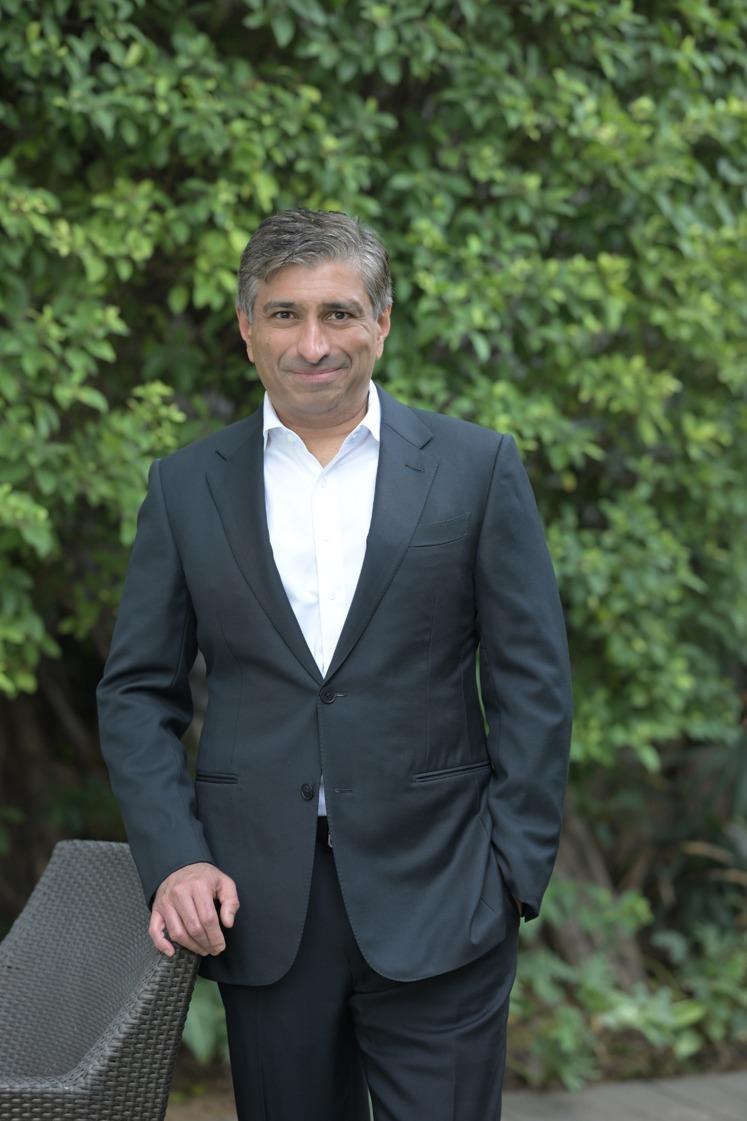
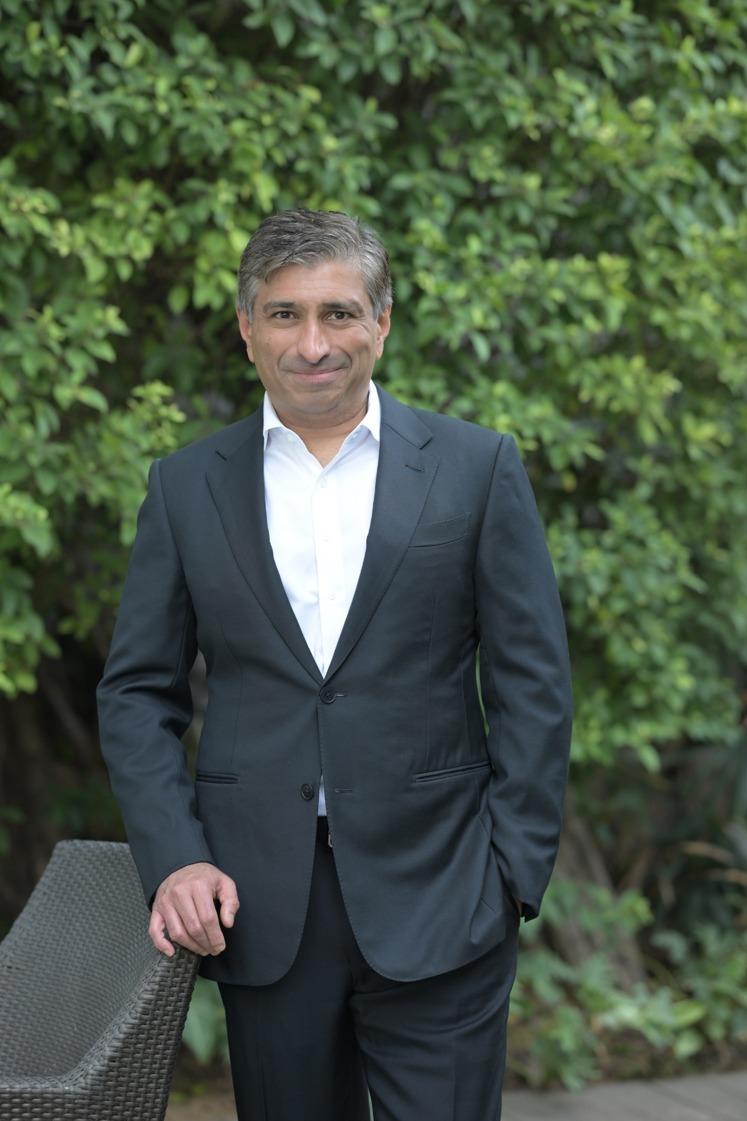
Ratul Puri is the Chairman of Hindustan Power, an integrated power generation company with a strong presence in renewable and transitional energy generation. Over the years, Ratul Puri has been involved in the development of large-scale energy infrastructure projects that support India’s growing power requirements and its transition toward cleaner energy sources