

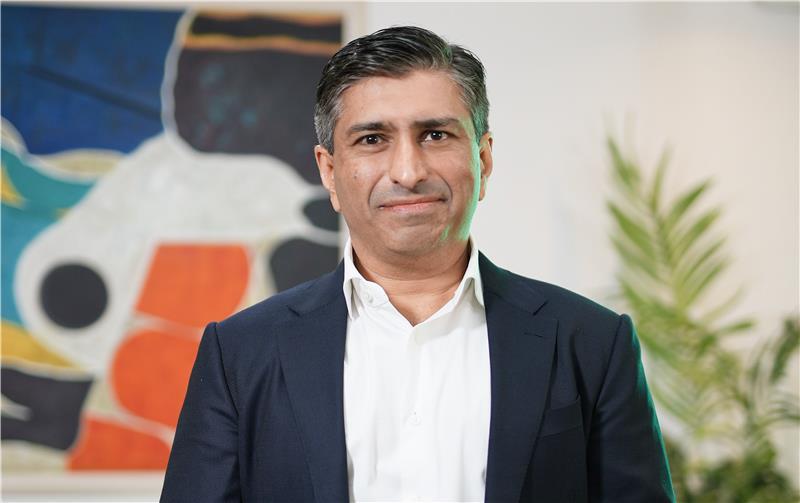
There are a number of reasons for the growing demand for electricity in India. India is rapidly urbanizing, which is changing temperature and electricity-use patterns for households, industry, transport, and other commercial activities. The expansion of solar energy offers several opportunities to the power sector. The peak hours of solar power generation are during the day, and the demand for electricity is higher in the evenings. For Ratul Puri, Chairman of Hindustan Power, the mismatch between solar power generation and the demand peak means the timing of electricity generation should also be strategized as the country goes through the energy transition.
Importance of India’s Evening Demand
According to the International Energy Agency (IEA), India’s peak electricity demand has risen in the last few years. In 2017, the country’s peak demand was 162 GW and increased to 250 GW in 2024. The IEA further reports that in 2026, India’s summer peak was at 270 GW. Summer peak loads in India occur in the evenings, around 8 pm. While a large portion of the demand during the day can be met with solar power, meeting demand during the other hours, including evenings, requires other energy sources to be part of India’s renewable energy policy.
India is expanding its solar capacity, which is altering daily patterns of electricity production and consumption. Solar energy production occurs during the day, and peak generation occurs during the afternoon. Some electricity demand may occur during the morning, and peak demand may occur during the evening. After the sun sets, there may be increased electricity demand for lighting and other household uses, as well as for industry and business. This increased electricity demand may occur during off-peak hours of variable renewable energy generation. As variable renewable energy capacity is increased, additional investment in other flexible and intermittent energy capacity may also be required. Ratul Puri’s perspective on the power sector highlights the importance of focusing not only on the capacity of renewable energy, but also on its dependability and ability to meet demand when required. This provides a broader industry and business perspective on the transformation of India’s power system
One way to fix the timing issue is through energy storage. Currently, Indian power utilities often have to let excess power go to waste during the solar generation peak. As reported by ETEnergyWorld, storage is becoming increasingly important to the Indian power system, and by the end of the first half of 2026, the battery storage capacity of India was around 8.2 GWh. Continued growth in battery storage, as mentioned in the article, was mainly because of the deployment of flexible capacity to aid grid balancing and peak-shaving. Based on the information he cited, Ratul Puri noted that storage provides the renewable energy industry with the ability to tie the generation of renewable energy to the time when demand is the highest. In Puri’s view, to integrate solar with storage, peak shaving is a good entry point.
Ratul Puri on Flexibility and India’s Rising Peak Power Demand
There are other ways to manage the evening peak. For example, flexible generation can be used to fill the gap caused by the decline in renewable generation and continue to meet the electric demand, especially at times of high temperature when the demand for cooling causes a peak in the electric demand. On June 30, 2026, India’s non-solar hour peak demand was 255.2 GW while the peak supply met was about 252.1 GW, thus creating a supply gap of about 3 GW in the evening. Some of the supply gap was attributed by the government to the state transmission and distribution network constraints. This example highlights the need for a power system that can respond to changing demand. Stronger networks and more flexible generation can help provide that flexibility.
The solutions offered by transmission and storage address different aspects of the same problem. Transmission moves electricity across different geographical locations while storage moves electricity across different time periods. In case of an increase in the use of renewable energy, specifically solar energy, during the day, the solar power plant may generate more than enough electricity, resulting in a surplus. The demand, however, may be at a different location and/or at a different time (for example, in the evening). Ratul Puri’s perspective on India’s power sector highlights the importance of integrating transmission and storage with electricity generation to manage this mismatch. By combining these systems, large-scale integration of flexible renewable energy can be achieved without compromising the reliability of the power system.
Focus has shifted beyond the speed of adding renewable capacity in India. Now, the challenge is in integrating renewable electricity within the power system and making it available to end users. The IEA projects that 50% of India’s new electricity demand will be satisfied by solar PV by 2030. In addition, solar PV is expected to contribute about 18% to India’s total electricity generation by 2030. The integration of solar PV in the Indian electricity system will maintain the evening peak as a critical constraint in grid planning.
To manage the consumption and generation imbalances in the electricity system, integrated and coordinated use of flexible generation, transmission, distribution and demand-side management will be required. Ratul Puri states that in the future, the focus in the Indian electricity system will be on building a flexible and integrated system to store solar electricity during the day for meeting the electricity demand in the evening. As part of the energy transition in India, the focus will be on developing flexible, available and reliable electricity from renewable energy sources.