

Introduction to Personalized Medicine
Personalized medicine, also called precision medicine, is transforming the way healthcare is delivered. Unlike traditional “one-size-fits-all” treatments, personalized medicine tailors therapies based on an individual’s genetic makeup, lifestyle, and environmental factors. By focusing on the patient’s unique biological profile, doctors can design treatments that are more effective, safer, and efficient. In India, this approach is gradually gaining attention, promising a shift from reactive to proactive healthcare. Patients no longer have to rely solely on standard protocols; instead, medicine is designed for you, ensuring better outcomes and reduced side effects.
Current State of Healthcare in India
India’s healthcare system has improved significantly over the past decade, with better infrastructure, more hospitals, and access to essential medicines. However, challenges like overpopulation, regional disparities, and rising chronic diseases persist. Traditional treatment methods often involve trial-and-error approaches, leading to delayed recovery or adverse effects. With an increasing number of patients suffering from lifestyle disorders and genetic diseases, the need for more precise and individualized healthcare solutions is urgent. Personalized medicine presents a revolutionary opportunity to address these gaps, improving efficiency and patient satisfaction across the country.
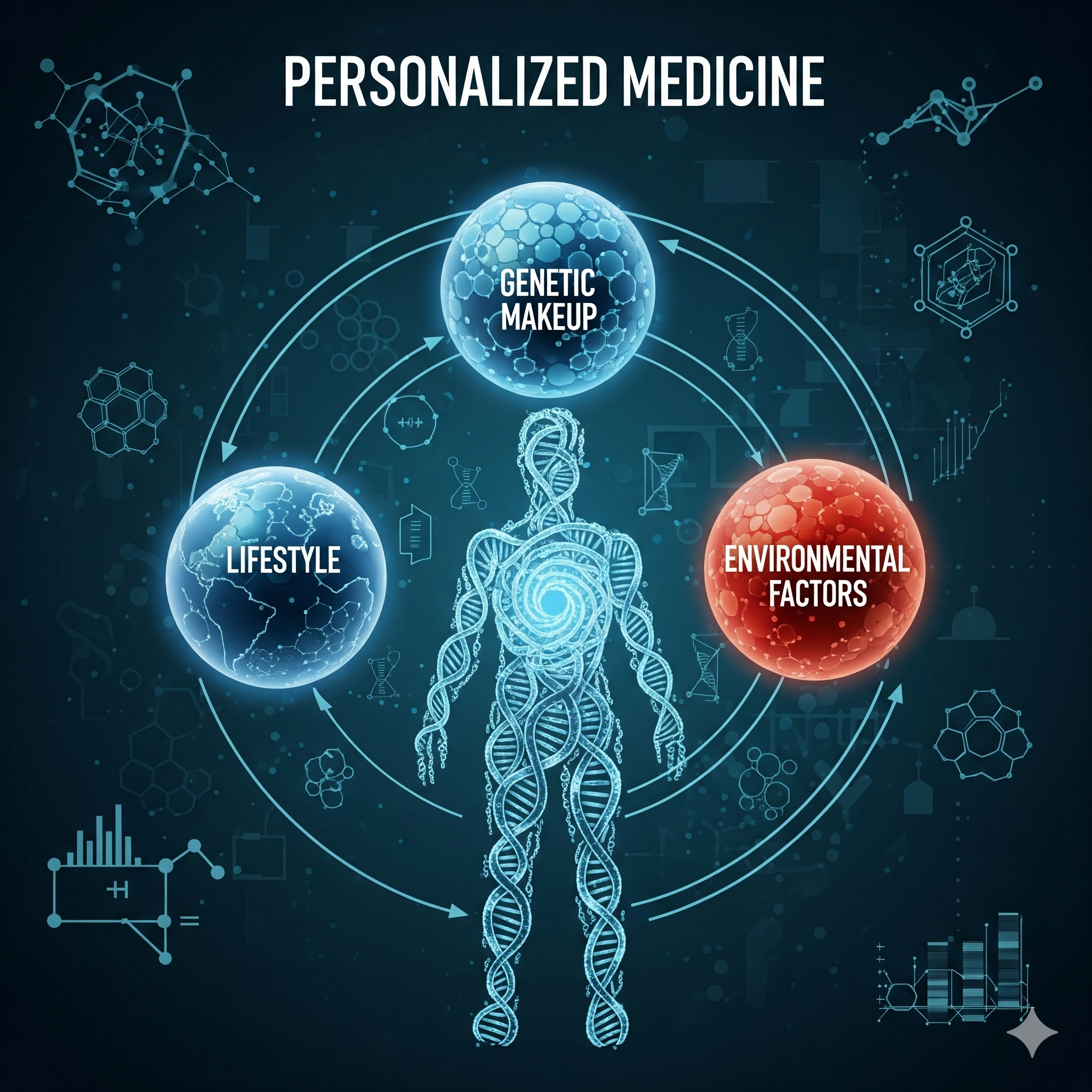
How Personalized Medicine Works
Personalized medicine combines genomics, biotechnology, and advanced diagnostics to tailor treatment plans. Genetic testing identifies variations in DNA that influence how patients respond to certain drugs. Biomarkers are used to predict disease progression, helping doctors choose therapies that work best for each individual. Additionally, wearable devices and digital health platforms collect real-time patient data, allowing ongoing adjustments to treatments. In essence, personalized medicine is a collaborative effort between the patient, doctor, and technology, creating a healthcare plan that is uniquely yours.
Key Techniques in Personalized Medicine:
- Genetic and genomic profiling
- Biomarker-based therapies
- Targeted drug delivery
- Digital health monitoring
Benefits for Indian Patients
Personalized medicine offers multiple benefits for patients in India:
- Better Treatment Outcomes: Tailored therapies increase the likelihood of success.
- Reduced Side Effects: Fewer adverse reactions compared to standard treatments.
- Early Detection & Prevention: Genetic insights help predict risks before symptoms appear.
- Cost-Effective in the Long Run: Avoids repeated treatments and hospital visits.
- Enhanced Patient Engagement: Patients become active participants in their health journey.
For Indian patients dealing with chronic illnesses or complex conditions, these advantages can significantly improve quality of life and provide more reliable healthcare solutions.
Future Outlook in India
The future of personalized medicine in India looks promising but requires robust investment in technology, infrastructure, and skilled professionals. Hospitals and clinics are increasingly adopting genetic testing and molecular diagnostics. Government initiatives supporting biotechnology research, coupled with growing private sector participation, are driving innovation. Over the next decade, personalized medicine could become a standard part of clinical practice, making healthcare more predictive, preventive, and precise. With increased awareness and affordability, Indian patients can expect a healthcare system that is both modern and patient-centric.
Conclusion
Personalized medicine is set to redefine healthcare in India, offering treatments that are smarter, safer, and tailored to each individual. By combining genetic insights, technology, and patient data, this approach addresses the limitations of traditional medicine. As India continues to invest in healthcare infrastructure and biotechnology, personalized medicine will empower doctors and patients alike, ensuring better outcomes and improved quality of life. The shift towards precision healthcare represents not just innovation, but a future where medicine truly puts the patient first.