

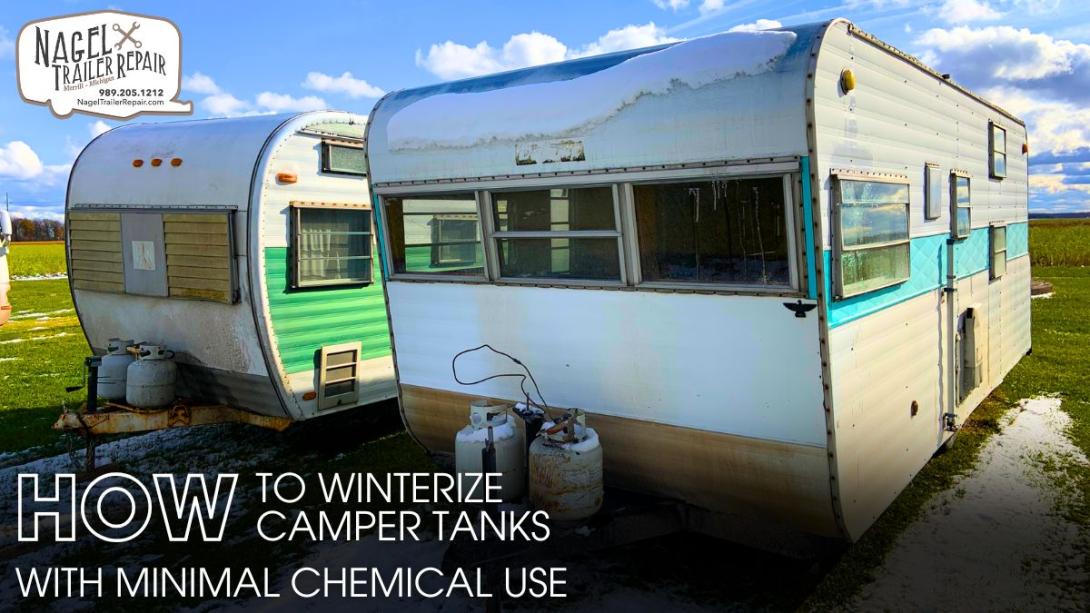
Winter in Michigan can be brutal. Subzero temperatures, icy winds, and heavy snow can cause serious damage to your camper if it isn’t properly prepared. One of the most vulnerable parts of any RV or camper is its water system—fresh, gray, and black tanks are all at risk of freezing, which can lead to cracked tanks, damaged valves, and costly repairs. Camper winterizing Michigan requires attention to detail, but it doesn’t have to rely heavily on chemicals. With careful preparation and a few smart techniques, you can protect your tanks safely and sustainably.
Why Winterizing Camper Tanks Matters?
Camper tanks are designed to store water safely during your travels, but they aren’t meant to withstand prolonged freezing. When water inside tanks or pipes freezes, it expands. This expansion can crack the plastic or metal tanks, warp seals, or even rupture connecting pipes. Repairing this kind of damage is expensive and time-consuming, often requiring professional help.
Using minimal chemicals while winterizing your tanks has multiple advantages: it reduces environmental impact, prevents potential contamination of your water supply, and keeps your camper system cleaner for spring use. By following best practices for RV Winterization Michigan, you’re not only protecting your camper but also promoting eco-friendly camping practices.
Tools and Materials You’ll Need:
Before diving into winterization, it’s essential to gather the right tools. Preparation makes the process smoother and more effective. For minimal chemical use, you’ll need:
- Hoses and siphons for draining tanks
- Tank flushing devices to clean residues efficiently
- Eco-friendly antifreeze alternatives, such as non-toxic, propylene glycol-based antifreeze or potable water-based substitutes
- Foam insulation or thermal wraps for pipes and tanks
- Heat tape for vulnerable water lines
- Protective gloves and eyewear
Following Michigan Camper Storage Tips, having these tools on hand ensures you’re ready for sudden temperature drops and winter conditions, even if you store your camper outdoors.
Draining and Cleaning Your Tanks Properly:
The first step in effective winterization is to completely drain and clean all camper tanks. Proper cleaning reduces the need for harsh chemicals and ensures no residue remains that could freeze or cause odors.
- Fresh Water Tank: Drain all water, then flush the tank several times using potable water. You can add a small amount of eco-friendly cleaner if needed to remove lingering buildup.
- Gray Water Tank: Empty and rinse thoroughly, ensuring that food particles, soap, and debris are removed. Even minimal leftover debris can freeze and clog your system.
- Black Water Tank: Rinse carefully using water and a biodegradable, non-toxic cleaner. Avoid strong chemical cleaners, which can harm your plumbing or the environment.
A well-cleaned system reduces reliance on chemical antifreeze and prevents unpleasant surprises when spring arrives.
Alternative Methods to Chemical Antifreeze:
While traditional RV antifreeze is effective, it’s not always necessary. Here are safer, low-chemical alternatives:
- Potable Water-Based Antifreeze: Safe for all tanks and pipes, non-toxic, and eco-friendly. Ideal for minimal chemical use.
- Tank Insulation: Foam insulation or thermal wraps around tanks and pipes can prevent freezing without any chemicals.
- Gravity Drainage: Position hoses and tanks to allow gravity to help drain remaining water, reducing freeze risk.
- Heat Tape: Applying heat tape to vulnerable lines ensures they stay above freezing even in harsh conditions.
Combining these methods with careful drainage is part of Michigan RV Winter Prep, helping you avoid unnecessary chemicals while still protecting your camper.
Maintaining Tank Integrity During Storage:
Winterization isn’t just about initial preparation—it also involves ongoing care. Even after tanks are drained and insulated:
- Inspect Valves and Seals: Check for leaks, cracks, or worn-out parts. Replace them if necessary.
- Prevent Stagnant Water: Residual water can freeze or develop mold, even in small amounts.
- Check Insulation and Heat Tape: Ensure these remain intact and functional throughout winter.
If storing your camper outdoors, consider a breathable RV cover to protect it from snow and ice. Following Michigan Camper Storage Tips ensures that your camper remains in top condition all season.
Springtime Recovery:
When temperatures rise, it’s time to bring your camper back to life. Spring prep involves:
- Flushing Tanks: Thoroughly flush fresh, gray, and black tanks to remove any leftover antifreeze or cleaning solutions.
- Inspecting Systems: Check all connections, pipes, and valves for leaks or damage.
- Refilling Tanks: Refill with clean, potable water and test systems before your first trip.
This careful recovery ensures a clean, safe water system ready for the camping season without any chemical residue, completing a full cycle of eco-friendly winterization.
The Role of Professional Maintenance:
Professional maintenance can make a significant difference when it comes to keeping your camper in peak condition throughout the winter months. Experienced technicians have the tools and knowledge to thoroughly inspect tanks, valves, and pipes, ensuring everything is properly drained, cleaned, and protected from freezing without relying on excessive chemicals. They can also identify hidden vulnerabilities in your camper’s exterior, from seals to roof edges, that might allow snow or ice to cause damage over time.
Regular maintenance helps prevent costly repairs, reduces the risk of leaks or cracks, and ensures that insulation, covers, and protective coatings are applied correctly. By entrusting these tasks to professionals, you not only preserve the structural integrity and functionality of your camper but also gain peace of mind, knowing that it is prepared to withstand harsh winter conditions safely and efficiently.
Conclusion:
Winterizing your camper tanks in Michigan doesn’t have to be chemical-heavy or complicated. By focusing on proper drainage, eco-friendly alternatives, insulation, and ongoing tank maintenance, you can protect your camper safely. Incorporating strategies from RV Winterization Michigan, Michigan Camper Storage Tips, and Michigan RV Winter Prep ensures your rig survives the coldest months intact.
Investing a little time in preparation now will save you from expensive repairs later and keep your camper ready for many years of adventures. Minimal chemicals, thoughtful preparation, and routine inspections are all you need to winterize your tanks efficiently and responsibly.