

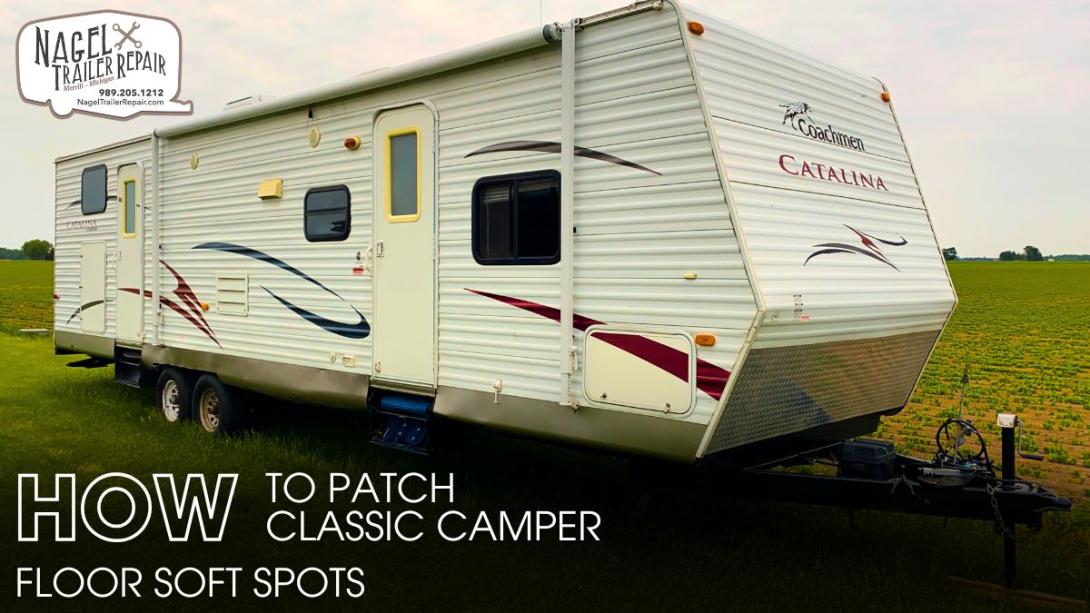
Classic camper floors often hide soft spots that can quickly turn a simple trip into a costly repair. Many owners overlook early warning signs, only to face deeper structural damage later. In this guide, I show you how to accurately identify soft spots, prepare the damaged area, and patch your classic camper floor with reliable, long-lasting techniques.
Understanding Soft Spots:
Soft spots usually form when moisture seeps into the subfloor over time and weakens the wood or composite layers beneath the finished flooring. In many projects handled under classic camper repair Michigan, long-term leaks or poor sealing tend to be the main sources. Water can enter through worn roof seams, outdated plumbing lines, old window seals, or exterior joints that haven’t been maintained.
You can often spot trouble early by noticing:
- A soft or spongy feel under your feet
- Uneven areas that slowly sink
- A lingering musty odor coming from damp wood
- Surface discoloration or bubbling
Classic campers rely on lightweight structures, so even minor moisture problems can spread quickly. Recognizing these early signs helps you act before you need extensive classic camper restoration Michigan work.
Tools and Materials:
Repairing soft spots correctly requires the right tools and durable materials. Many older campers were built with construction styles that aren’t used today, so choosing compatible classic camper parts Michigan makes the job easier and more reliable.
You’ll likely need:
- Marine-grade or exterior plywood
- A moisture meter
- Pry bars, knives, and oscillating tools
- Quality wood adhesives and sealants
- Gloves, masks, and safety glasses
- Measuring and cutting tools
Marine-grade plywood holds up far better against rising moisture, making it ideal for long-term repairs. Combined with high-grade sealants and corrosion-resistant fasteners, your patch will last significantly longer.
Inspection Process:
Before you cut into anything, inspect the entire floor so you understand the full scope of the damage. Walk slowly across the surface and mark soft spots as you feel them. A moisture meter helps you confirm where hidden water remains and how deep it runs.
A thorough inspection should include:
- Checking around sinks, bathrooms, entry doors, and appliances
- Looking underneath the camper for rot, corrosion, or sagging plywood
- Examining plumbing lines for slow leaks
- Identifying the original source of moisture, such as failed caulking or roof seams
This step ensures you don’t patch one section only to discover additional damage later.
Prepare the Damaged Area:
Preparation sets the foundation for a solid repair. Remove the floor covering—vinyl, laminate, carpet, or tile—to expose the problem area. Take your time to avoid damaging sections that don’t need replacement.
Once exposed, prep the area by:
- Cutting out damaged wood with clean, measured cuts
- Clearing debris and vacuuming dust
- Allowing the area to dry fully with fans or dehumidifiers
- Applying wood hardener to strengthen borderline sections
Taking the extra time to dry the subfloor makes a major difference. Many technicians specializing in classic camper repair Michigan consider proper drying a key step in preventing future soft spots.
Patch and Reinforce:
With the damaged wood removed and the area dry, you can start rebuilding. Classic campers often have lightweight framing, so reinforcing the structure gives your repair long-term durability.
This stage typically includes:
- Adding bracing or cross-members to support high-traffic zones
- Sealing frame joints before installing new wood
- Cutting plywood patches to fit precisely
- Fastening panels with specialized screws and strong adhesive
The goal is to create a repair that blends seamlessly with the rest of the floor. When done correctly, the patched area should feel firm, level, and ready for regular use.
Seal and Final Check:
Sealing your new subfloor protects it from the moisture exposure that caused the original damage. Apply a high-quality sealant to every seam, edge, and joint. Make sure the sealant creates a continuous moisture barrier so water can’t find its way back in.
Before replacing your floor covering, complete these checks:
- Walk across the repair to confirm the floor feels solid
- Inspect the underside if possible for clean, even support
- Ensure every seam is sealed with no gaps
- Smooth out any exposed edges or uneven spots
Once everything passes your inspection, reinstall your flooring and give the camper a final walkthrough.
The Role of Professional Maintenance:
Regular professional maintenance plays a major role in keeping classic campers safe, stable, and ready for long trips. Experts can spot early floor weakness, moisture intrusion, and structural fatigue long before these issues turn into costly repairs.
They also understand how older suspension systems work and why components like leaf springs carried so much of the load in vintage trailers. With trained eyes and the right tools, professionals restore strength, improve ride quality, and extend the lifespan of aging campers, giving owners long-term confidence on the road.
Conclusion:
Patching soft spots in a classic camper floor becomes manageable when you recognize the warning signs early, inspect thoroughly, and reinforce the structure with durable materials. Whether you take on the project yourself or choose a professional classic camper repair Michigan service, solid repair work protects your investment and keeps your vintage camper road-ready for years to come.