

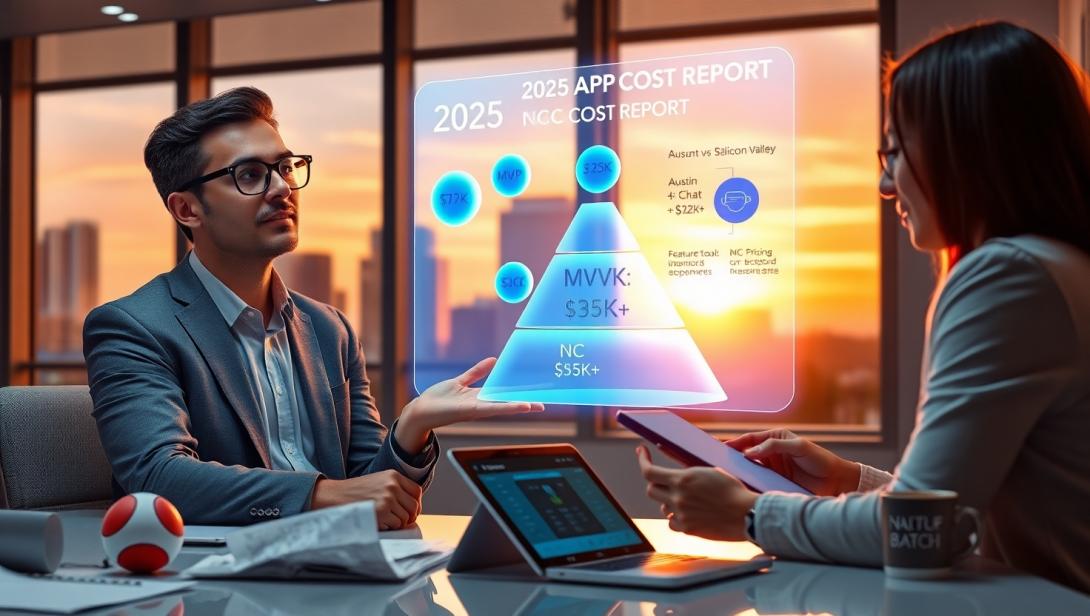
By 2025, over 90% of the U.S. population is expected to own a smartphone, cementing mobile applications as the ubiquitous digital interface for businesses and consumers alike. North Carolina, with its thriving tech hubs in cities like Charlotte, Raleigh, and Asheville, presents a compelling landscape for entrepreneurs and established companies alike looking to launch their digital ventures. But before embarking on this journey, one burning question always surfaces: how much does mobile app development cost in North Carolina in 2025? Understanding the financial parameters is pivotal for successful project inception and completion.
The Unveiling of App Development Costs in 2025
The precise cost of mobile app development is not a static figure; rather, it's a dynamic estimation contingent upon several interdependent factors. From my vantage point, observing countless app ventures unfold in dynamic cities like Charlotte and Raleigh, the fundamental understanding of these cost drivers often precipitates a more harmonious development process and mitigates potential budgetary overruns.
Understanding Modern Development Economics
As we navigate through 2025, mobile app development trends 2025 have significantly influenced pricing structures across North Carolina. The integration of ai in mobile app development has created new cost considerations, while cross platform mobile app development services continue to offer budget-friendly alternatives for businesses seeking maximum market penetration.
Many entrepreneurs underestimate the comprehensive nature of modern app development. It's not just about coding anymore – today's successful apps require strategic planning, user experience design, backend architecture, security implementation, and ongoing maintenance. When evaluating how to choose the best mobile app development company, understanding these multifaceted requirements becomes crucial for accurate budget planning.
Factors Influencing Cost: An Overview
The complexity of your app is perhaps the foremost determinant of its price tag. Simple applications demand significantly less investment than highly intricate ones.
App Complexity and Features: The Foundation of Your Budget
This is the bedrock of your app's budget. A basic app might involve simple informational displays or contact forms. A moderate app introduces features like user registration, payment gateways, or API integrations. Highly complex apps are those with advanced features such as real-time data processing, AI/ML capabilities, intricate animations, social media integrations, augmented reality, or sophisticated backend infrastructure. Each added feature, however small, accretes to the development hours and, consequently, the cost.
Platform Selection: iOS, Android, or Both
Opting for a single platform (either iOS for Apple devices or Android for Google devices) is generally more economical than developing for both concurrently. Cross-platform development tools, while offering a semblance of efficiency, still require specific expertise and often have limitations that necessitate native development for optimal performance. Building for both amplifies development hours and testing cycles.
The native vs hybrid app development decision significantly impacts your budget. While hybrid solutions using mobile app development frameworks like React Native or Flutter can reduce costs, certain applications requiring intensive performance or platform-specific features may necessitate native development using swift mobile app development company expertise for iOS or java mobile app development approaches for Android.
UI/UX Design Sophistication: Crafting User Experience
A superior user experience (UX) and intuitive user interface (UI) are non-negotiable for app success. Bespoke, cutting-edge design takes more time and skill than using standard templates. Animation, custom graphics, and highly interactive elements enhance appeal but proportionately raise design expenditures.
Team Composition and Geographic Considerations
The hourly rates for developers vary substantially based on their geographic location and experience. Agencies in major tech cities within North Carolina, while offering local convenience and potentially higher oversight, may command higher rates than teams in smaller towns or offshore. The composition of the team (project manager, UI/UX designers, backend developers, frontend developers, QA engineers) directly influences the overall expenditure.
When evaluating how to hire mobile app developers, consider that experienced professionals command premium rates but often deliver more efficient, bug-free code that reduces long-term maintenance costs. Affordable mobile app developers louisiana might offer lower initial rates, but the total cost of ownership should include factors like communication efficiency, time zone alignment, and project management overhead.
Post-Launch Support and Maintenance: The Ongoing Investment
An app's journey does not end with its launch. Ongoing costs include bug fixes, security updates, feature enhancements, server maintenance, and compliance updates. Neglecting this crucial phase can render your initial investment futile as the app quickly becomes obsolete or insecure. Many North Carolina businesses wisely allocate a portion of their budget, typically 15-20% of the initial development cost annually, for ongoing support.
2025 Cost Breakdown by App Complexity
Basic (MVP) Apps typically require between 200 to 500 development hours, with costs ranging from $30,000 to $70,000. These apps include fundamental features such as basic user interface design, user login, a few content-based screens, and essential core functionalities. Ideal for startups launching their first product or businesses testing a concept.
Moderately Complex Apps demand around 500 to 1000 hours of development and usually cost between $70,000 and $150,000. These apps support more robust functionality like user profiles, integrated payment gateways, and third-party service integrations. They cater to businesses aiming to offer a more interactive and functional user experience.
Highly Complex Apps can exceed 1000 hours, sometimes going well beyond 2000 hours, with development costs starting at $150,000 and scaling up to $350,000 or more. These apps are often powered by advanced technologies like real-time features, artificial intelligence (AI), machine learning (ML), intricate animations, and custom API development. They are best suited for enterprise-grade solutions or startups disrupting tech-heavy markets.
Industry-Specific Cost Variations
Different industries have unique requirements that affect development costs:
Healthcare Applications: Healthcare mobile app development company projects require HIPAA compliance, secure data transmission, and integration with medical systems. These specialized requirements typically add 20-30% to development costs but are essential for healthcare app development for clinics and medical practices.
Financial Services: Fintech mobile app development demands robust security protocols, regulatory compliance, and integration with banking systems. The complexity of financial calculations and transaction processing often places these projects in the higher cost brackets.
E-commerce Solutions: Ecommerce mobile app development requires payment gateway integration, inventory management, and order processing systems. The complexity increases significantly when incorporating features like personalized recommendations or multi-vendor capabilities.
Real Estate Applications: Real estate mobile app development often requires MLS integration, mapping services, and property visualization tools. Real estate app developers with mls integration expertise command premium rates due to the specialized knowledge required.
Deconstructing the Mobile App Development Journey: A Comprehensive Guide
Understanding the step-by-step process of mobile app creation aids in accurately assessing costs and timelines. Each phase culminates in deliverables that propel the project forward.
Discovery and Planning: Laying the Foundation
This initial phase is paramount for defining the app's scope, objectives, target audience, and core functionalities. It includes thorough market research, competitive analysis, and stakeholder interviews. The creation of detailed functional specifications, wireframes, and user stories ensures all parties share a clear vision. This is where a shrewd North Carolina entrepreneur outlines the requisite features for their minimum viable product (MVP) to get to market swiftly.
During this phase, mobile app development consulting becomes invaluable. Expert consultants help navigate the custom app development vs no-code solutions decision, ensuring you choose the most cost-effective approach for your specific requirements.
UI/UX Design: Crafting the User Experience
Good design isn't just about aesthetics; it's about usability and intuitive navigation. This stage involves creating user flows, sitemaps, wireframes, mockups, and finally, the high-fidelity UI design. A seamless user experience captivates users and fosters engagement. Investing in this early can reduce costly redesigns later.
Modern design trends incorporate elements that reflect mobile app development trends 2025, including dark mode compatibility, gesture-based navigation, and accessibility features that ensure broad user adoption.
Backend Development: The Invisible Infrastructure
The backend is the server-side component of your app – the brain behind its operations. It handles data storage, user authentication, business logic, and communication with other systems. This typically involves selecting a programming language (e.g., Node.js, python mobile app development), setting up databases, and building APIs that allow the mobile app to communicate with the server. A robust backend is imperative for performance and scalability.
Enterprise mobile app development often requires sophisticated backend architectures capable of handling thousands of concurrent users while maintaining data integrity and security standards.
Frontend Development: Bringing Designs to Life
This is the part users interact with directly. For native apps, this means using Swift/Objective-C for iOS and Kotlin/java mobile app development for Android. Cross-platform development might involve React Native, Flutter, or Xamarin. Frontend developers translate the approved UI/UX designs into a functional, interactive application.
The choice of mobile app development languages significantly impacts both development speed and long-term maintenance costs. Javascript mobile app development frameworks like React Native offer code reusability, while native development provides optimal performance for resource-intensive applications.
Testing and Quality Assurance: Ensuring Flawless Operation
Thorough testing across various devices, operating systems, and network conditions is non-negotiable. QA engineers perform functional, usability, performance, security, and regression testing to identify and rectify bugs. A rigorous testing phase is expeditious in preventing user frustration post-launch and safeguarding brand reputation.
Testing becomes particularly complex for blockchain mobile app development and applications incorporating ai in mobile app development, as these technologies require specialized testing protocols to ensure security and accuracy.
Deployment and Post-Launch Support: The Continuous Journey
Once the app passes all tests, it's time for submission to the Apple App Store and Google Play Store, adhering to their stringent guidelines. The apple developer account setup and app store optimization process requires careful attention to guidelines and best practices.
After launch, monitoring app performance, collecting user feedback, pushing updates, and performing maintenance become a continuous process. This phase includes addressing bugs, adding new features, ensuring compatibility with new OS versions, and refining performance.
Specialized Development Considerations and Costs
Industry-Specific Applications
Travel Mobile App Development: Tourism apps require integration with booking systems, GPS functionality, and real-time information updates. The complexity of managing multiple data sources and ensuring offline functionality can increase development costs by 15-25%.
Restaurant Mobile App Development: Food service applications need point-of-sale integration, online ordering systems, and inventory management. The growing demand for contactless dining solutions has made these features essential rather than optional.
Fitness Mobile App Development: Health and wellness apps require wearable device integration, health data synchronization, and often include social features for community engagement. The integration with HealthKit (iOS) and Google Fit (Android) adds complexity but is essential for user adoption.
Education App Development for Schools: Educational applications must comply with FERPA regulations, integrate with learning management systems, and provide accessible interfaces for users with disabilities. These requirements add specialized development considerations that impact overall costs.
Emerging Technology Integration
Aviation App Development for Small Businesses: The aviation industry has unique requirements including FAA compliance, weather data integration, and flight planning capabilities. Aviation app development for small businesses requires specialized knowledge of aviation regulations and safety protocols.
Blockchain Integration: Blockchain mobile app development adds significant complexity and cost due to the specialized expertise required and the need for enhanced security measures. However, for applications requiring transparent, immutable transaction records, this technology becomes essential.
Common Pitfalls in Mobile App Development Budgeting
Even with diligent planning, certain issues can precipitate unexpected expenditures. A seasoned professional recognizes that forecasting these challenges is as crucial as identifying cost drivers.
Scope Creep: The Budget's Silent Nemesis
From my direct experience assisting North Carolina businesses, adding features incrementally during the development phase – "just one more thing" – is the most common reason for cost overruns. It derails timelines and budgets. Establishing a clear, agreed-upon scope from the outset is vital.
Underestimating Maintenance
Many first-time app owners allocate nearly their entire budget to initial development, overlooking the concomitant expenses of post-launch maintenance, security updates, and feature enhancements. Neglecting this leads to a decaying user experience and eventual obsolescence.
Understanding the mobile app development lifecycle helps businesses budget appropriately for the entire application journey, not just the initial development phase.
Neglecting Market Research
Skipping comprehensive market research can lead to developing an app that fails to resonate with its target audience or address a genuine market need. This squanders resources on an endeavor unlikely to yield returns. Thorough initial research prevents costly pivots or complete project abandonment.
Technology Stack Missteps
Choosing inappropriate mobile app development frameworks can lead to performance issues, scalability problems, or excessive maintenance costs. The decision between ios and android app development platforms should align with your target audience demographics and business objectives.
Strategic Insights: Tools and Expert Recommendations
To maximize your investment in North Carolina app development, strategic choices concerning partners and technologies are essential.
Choosing Your Development Partner
Reputation and Portfolio: Look for development agencies or freelancers with a strong portfolio of relevant apps and positive client testimonials. In North Carolina, check local tech communities for references.
Communication: A partner who communicates clearly, transparently, and consistently is invaluable. This alleviates misinterpretations and keeps the project aligned with your vision.
Local Expertise vs. Remote Teams: While remote teams might offer lower rates, local North Carolina app development agencies provide the benefit of face-to-face meetings, cultural alignment, and sometimes quicker problem resolution. Companies like Indi IT Solutions offer the advantage of regional expertise while maintaining competitive pricing structures.
For businesses considering broader geographic options, mobile app development louisiana providers can offer cost advantages while maintaining quality standards. The key is finding partners who understand your business requirements regardless of their location.
Leveraging Modern Tech Stacks
Choosing the appropriate technology stack impacts performance, scalability, and long-term maintenance costs. For cross-platform efficiency, Flutter and React Native remain strong contenders in 2025. For native prowess, Swift for iOS and Kotlin for Android offer robust solutions. Discuss the best fit with your chosen development partner, considering your app's specific functionalities and future roadmap.
Cost-Effective Development Strategies: Cost-effective app development companies focus on maximizing value through strategic technology choices, efficient development processes, and transparent project management. They understand that true affordability comes from delivering solutions that minimize long-term costs while meeting immediate business needs.
"Selecting the right partner is not merely a transaction; it is establishing a collaborative alliance for innovation and digital proliferation."
Understanding Mobile App Development Best Practices
Successful app development follows established best practices that minimize costs while maximizing quality:
- Iterative Development: Following agile methodologies reduces risk and allows for course corrections before significant resources are invested.
- MVP-First Approach: Starting with a minimum viable product helps validate market demand before investing in comprehensive feature sets.
- User-Centered Design: Investing in proper UX research and design reduces costly redesigns and improves user adoption rates.
- Scalable Architecture: Building with future growth in mind prevents expensive rewrites as your user base expands.
Regional Market Analysis: North Carolina vs. Alternative Markets
Understanding regional cost variations helps businesses make informed decisions about development partnerships:
North Carolina Market Advantages
- Established Tech Ecosystem: The Research Triangle Park and Charlotte's financial district provide access to experienced developers
- University Partnerships: Strong relationships with Duke, UNC, and NC State ensure access to emerging talent
- Cultural Alignment: Local developers understand regional business practices and customer preferences
- Time Zone Benefits: No communication delays due to time zone differences
Alternative Market Considerations
For businesses seeking cost optimization, app development louisiana offers certain advantages:
- Lower Operational Costs: Reduced overhead expenses can translate to lower development rates
- Growing Tech Sector: Emerging talent pools provide access to skilled developers at competitive rates
- Strategic Location: Central location facilitates collaboration with businesses across the Southeast
Companies like Indi IT Solutions leverage these regional advantages by maintaining development teams in multiple markets, allowing them to offer comprehensive mobile app development Louisiana services while maintaining North Carolina market expertise through their North Carolina mobile app development services.
Advanced Cost Optimization Strategies
Leveraging Cross-Platform Development
Cross platform mobile app development services have matured significantly, offering substantial cost savings without compromising quality. Modern frameworks like Flutter and React Native enable developers to maintain approximately 80-95% code reuse across platforms, reducing development time and costs.
Strategic Feature Prioritization
Understanding the mobile app development lifecycle helps prioritize features for maximum impact. Core functionality should be developed first, with advanced features added in subsequent releases based on user feedback and usage analytics.
Long-Term Cost Planning
Smart businesses plan beyond initial development costs by considering:
- Hosting and Infrastructure: Cloud hosting costs scale with user adoption
- Third-Party Services: API usage fees, payment processing, and analytics tools
- Marketing and User Acquisition: App store optimization and promotional campaigns
- Ongoing Development: Feature updates and platform compatibility maintenance
Key Takeaways
- Mobile app development costs are dynamic and determined by complexity, features, platforms, design, and team.
- Initial costs typically range from $30,000 to over $350,000 for bespoke solutions in North Carolina.
- The development process follows distinct phases: planning, design, backend, frontend, testing, and deployment.
- Avoid common pitfalls like scope creep and neglecting post-launch maintenance to safeguard your budget.
- Choose a reputable development partner and leverage modern tech stacks to optimize your investment.
- Budget for continuous support and updates; an app is a living entity.
Strategic Investment Perspective
Successful mobile app development requires viewing costs as strategic investments rather than mere expenses. The most affordable mobile app developers louisiana or North Carolina might not provide the best value if they compromise on quality, security, or scalability.
When evaluating top-rated mobile app development companies in north carolina, consider their track record with similar projects, their understanding of mobile app development best practices, and their ability to guide you through the complete mobile app development lifecycle.
Frequently Asked Questions
What are the determining factors affecting the cost of mobile app development? The core elements that influence how much does mobile app development cost in North Carolina in 2025 primarily relate to an app's complexity, the specific features included, and the number of platforms (iOS, Android, or both) it targets for functionality.
What timeframe typically impacts North Carolina app project budgets? Project duration is crucial for understanding how much does mobile app development cost in North Carolina in 2025; simpler apps might finish in 3-5 months, whereas more elaborate applications can extend beyond 8-12 months due to comprehensive feature integration.
Why are ongoing maintenance and updates essential for an application? Beyond initial creation, comprehending how much does mobile app development cost in North Carolina in 2025 includes vital funds for sustained maintenance and updates. These efforts ensure your app remains secure, compatible with new operating systems, and retains user engagement through feature enhancements and performance improvements.
How does geographic location influence development expenses for apps? The location of your development team or agency directly impacts how much does mobile app development cost in North Carolina in 2025, with urban centers such as Charlotte and Raleigh generally presenting higher hourly rates than smaller regional areas or remote teams, due to differing overheads.
What methods exist for effectively reducing expenses in app building? To minimize the total expenditure when pondering how much does mobile app development cost in North Carolina in 2025, consider prioritizing a minimal viable product for initial launch, meticulously managing project scope to avoid excessive features, and opting for cross-platform development solutions when feasible, which often provide a more cost-effective approach for simultaneous device compatibility.
Advanced Frequently Asked Questions
How do emerging technologies affect development costs? The integration of ai in mobile app development and blockchain mobile app development typically increases costs by 25-40% due to specialized expertise requirements and extended development timelines. However, these technologies can provide significant competitive advantages and user experience improvements.
What role does the choice of development company play in overall costs? Understanding how to choose the best mobile app development company involves evaluating not just hourly rates, but total project efficiency. Experienced companies may charge higher rates but deliver projects faster and with fewer bugs, resulting in lower total costs.
How do industry-specific requirements impact budgets? Specialized applications like healthcare mobile app development company projects or aviation app development for small businesses require industry-specific compliance and integration capabilities, typically adding 20-35% to base development costs but ensuring regulatory compliance and market acceptance.
What's the cost difference between native and cross-platform development? Native vs hybrid app development decisions significantly impact budgets. Native development typically costs 40-60% more than cross-platform solutions but provides optimal performance and platform-specific feature access. The choice depends on your app's performance requirements and long-term scalability needs.
Recommendations
For North Carolina businesses looking to cement their digital presence in 2025, understanding the intricate layers of mobile app development costs is not merely a financial exercise; it's a strategic imperative. Your app is not just a tool; it's a dynamic interface for user interaction and business growth.
By meticulously planning, avoiding common pitfalls, and choosing a judicious development partner, you can navigate the fiscal terrain of app development with greater assurance and achieve a significant return on your digital investment.
Making the Right Partnership Decision
The success of your mobile app project heavily depends on selecting partners who understand both technical requirements and business objectives. Whether you choose local North Carolina developers or explore options like mobile app development louisiana providers, focus on partners who demonstrate:
- Proven Expertise: Track record in your industry or similar applications
- Transparent Communication: Clear project timelines, milestone definitions, and cost breakdowns
- Technology Proficiency: Up-to-date knowledge of mobile app development frameworks and mobile app development best practices
- Long-term Vision: Understanding of the complete mobile app development lifecycle and post-launch requirements
Strategic Resource Allocation
Smart businesses allocate resources across the entire project lifecycle rather than focusing solely on initial development costs. Consider budgeting for:
- Initial Development: 60-70% of total project budget
- Marketing and Launch: 15-20% of total budget
- First-Year Maintenance: 15-20% of initial development cost
- Feature Enhancements: Ongoing investment based on user feedback and market demands
For comprehensive guidance on mobile app development best practices and industry standards, consulting authoritative sources like software development lifecycle documentation can provide valuable insights for project planning and vendor evaluation.
Are you ready to transform your vision into a robust mobile application without budget surprises? Contact a trusted North Carolina app development agency today for a comprehensive consultation and a detailed estimate tailored to your specific project needs. Secure your digital future in the burgeoning mobile landscape!