
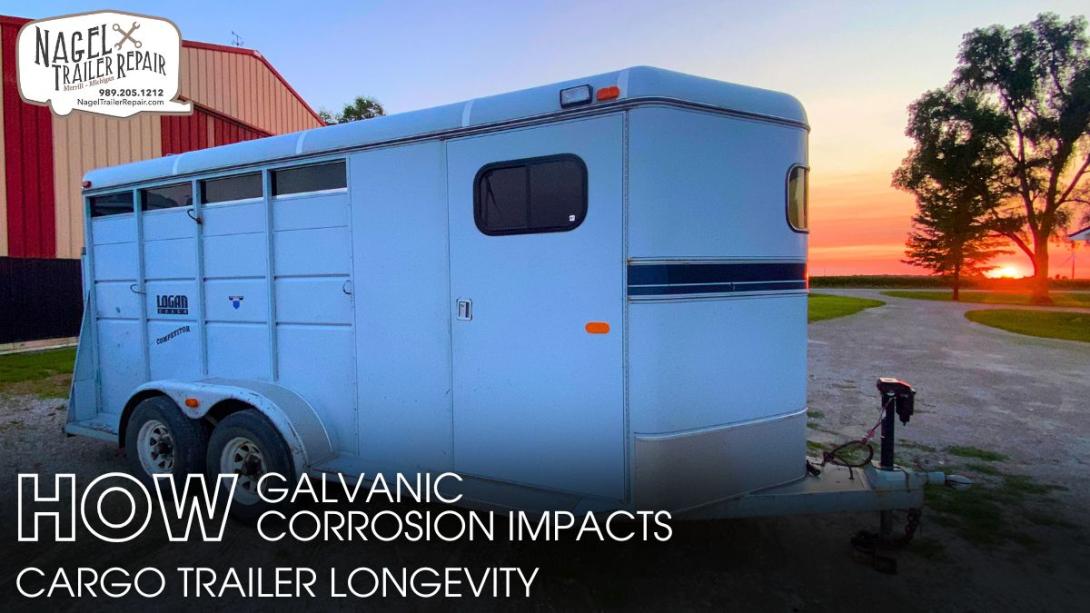
If you own a cargo trailer, you already know it’s more than just a piece of equipment—it’s an investment. Whether you use it for hauling construction tools, transporting goods for your business, or carrying personal items across Michigan, you expect it to last. Most owners stay on top of obvious maintenance tasks like checking tires, brakes, or lights. But there’s a less visible issue that often sneaks up and shortens the lifespan of trailers: galvanic corrosion.
For anyone considering Cargo Trailer Repair in Michigan, understanding how galvanic corrosion works, and more importantly, how to prevent it, can save thousands in repair or replacement costs over time.
Understanding Galvanic Corrosion in Simple Terms:
Galvanic corrosion is a type of electrochemical reaction. It occurs when two different metals are in direct contact and are exposed to an electrolyte, such as water mixed with road salt. One of the metals acts as the “anode” and begins to corrode, while the other acts as the “cathode” and is protected.
Think of it like a battery: when dissimilar metals and an electrolyte are present, an electrical current is created. In a cargo trailer, this current results in the slow deterioration of one of the metals. Over time, this doesn’t just cause surface rust; it can actually eat away at the structure of your trailer, making it unsafe to tow.
Where Cargo Trailers Are Most Vulnerable?
Not all parts of a trailer are equally at risk. Cargo trailers are typically made from a mix of aluminum and steel components. While both are strong on their own, putting them together without protection invites galvanic corrosion.
Here are the most vulnerable areas:
- Steel frame with aluminum siding – A common construction choice for strength and weight balance, but also a hotspot for corrosion.
- Fasteners and bolts – Many cargo trailers use steel screws or bolts to fasten aluminum sheets, creating multiple tiny corrosion points.
- Hinges, door latches, and trim – Constant exposure to moisture makes these small components deteriorate faster.
- Roof seams and edges – Especially vulnerable in enclosed trailers where water collects.
Michigan’s climate makes these weak points even riskier. Snow, slush, and salted roads create the ideal electrolyte for galvanic corrosion. That’s why many owners find themselves visiting a trailer repair shop in Michigan earlier than expected.
Real-World Impact on Trailer Lifespan:
The effects of galvanic corrosion aren’t immediate. At first, you might only notice slight discoloration around fasteners or small patches of surface rust. But the damage builds silently over time. Here’s what can happen if the problem is left unchecked:
- Structural weakening – Corrosion slowly eats into frames and crossmembers, reducing the trailer’s load-bearing capacity.
- Panel separation – As fasteners corrode, aluminum siding can loosen, creating gaps and leaks.
- Safety hazards – A weakened trailer is more prone to sway, structural failure, or even accidents on the road.
- Increased costs – What starts as a $100 fix for replacing corroded bolts can turn into thousands in structural repair or a full trailer replacement.
For businesses, this isn’t just about repair costs. Downtime caused by trailer failure can mean lost revenue. That’s why proactive care is always cheaper than reactive cargo trailer service in Michigan.
Preventing Galvanic Corrosion:
The good news? Galvanic corrosion can be slowed—or even prevented—if you know what to look for and stay consistent with maintenance. Here are practical steps every trailer owner can take:
- Protective coatings
Paint, powder coating, or specialized anti-corrosion sprays form a protective barrier between dissimilar metals. For underbodies, an undercoating can make a huge difference in salty winter conditions. - Proper fasteners
Stainless steel or zinc-coated screws and bolts are less likely to trigger galvanic reactions compared to untreated steel. Using plastic or rubber washers can also help isolate metals. - Regular cleaning
Rinsing your trailer after driving on salted roads is one of the simplest yet most effective steps. Even a quick spray with a hose removes electrolytes before they can do damage. - Routine inspections
Look for early warning signs—white powdery deposits on aluminum, bubbling paint, or rust around fasteners. Catching these issues early allows you to deal with them during routine maintenance at a trailer repair shop in Michigan instead of facing expensive structural repairs later. - Professional servicing
Sometimes, DIY prevention isn’t enough. Partnering with a shop that specializes in trailer parts & repair in MI ensures that you’re not only addressing visible issues but also hidden corrosion that can’t be seen at first glance.
Conclusion:
Galvanic corrosion may not be as visible as a flat tire or a broken axle, but its long-term effects on your cargo trailer’s life are undeniable. By understanding the science behind it, identifying the most vulnerable areas, and adopting a consistent maintenance routine, you can dramatically extend the life of your trailer.
For trailer owners in Michigan, the harsh winters make this issue even more pressing. Don’t wait until corrosion forces you into costly downtime. Be proactive: clean your trailer, inspect it regularly, and rely on trusted experts for Cargo Trailer Repair in Michigan when needed. With the right care and a little foresight, your trailer will remain safe, reliable, and road-ready for years to come.