
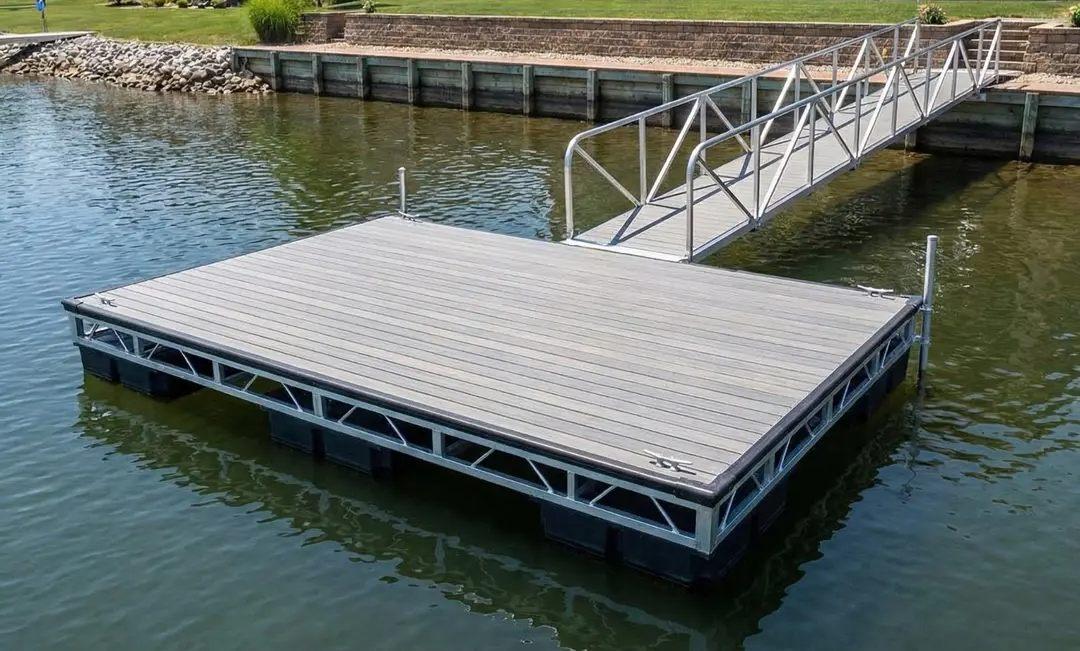
Investing in a dock is a long-term decision, especially when it will be used for boating, fishing, swimming, entertaining, or simply enjoying easier access to the water. A Modular Dock can provide a flexible alternative to traditional fixed dock construction, but choosing the right system requires more than comparing sizes and prices. Water conditions, materials, configuration, installation, safety, and future needs should all be considered before making a decision.
Understand Your Waterfront Conditions
The first step in choosing a Modular Dock is understanding the environment where it will be installed. Every waterfront property has different characteristics, and the dock should be selected accordingly.
Start by considering water depth and seasonal fluctuations. Floating modular systems can be particularly useful where water levels change throughout the year because the dock can rise and fall with the water. This can provide consistent access without requiring major structural adjustments.
Wave action and boat traffic are also important. Waterfronts exposed to wakes, wind, or changing weather conditions require a properly engineered system with suitable connections and flotation. The condition of the shoreline and lake, river, or coastal bottom should also be evaluated, particularly if anchoring or support systems are required.
Choose Durable, Appropriate Materials
Material quality has a major effect on how a dock performs over time. Aluminum is widely used in modern dock systems because it combines strength with relatively low weight and resistance to corrosion.
For demanding waterfront applications, marine-grade aluminum such as 6061-T6 can be an important consideration. Its strength-to-weight characteristics make it suitable for structural dock components while helping reduce unnecessary weight during handling and installation.
The decking material deserves attention as well. Composite decking can provide a durable walking surface with relatively low maintenance, while the choice of texture and color can influence both appearance and comfort. When comparing systems, look beyond the surface and examine the frame, connections, fasteners, flotation, and overall construction.
Think About Your Future Needs
One of the biggest advantages of a modular system is the ability to adapt. Instead of selecting a dock only for how you use your waterfront today, consider how those needs could change.
For example, you may initially need a simple walkway to a boat. In the future, you might want additional space for seating, fishing, swimming, or watercraft. A well-designed modular system can allow additional sections or accessories to be incorporated without replacing the entire structure.
This expandability can make a Modular Dock a practical choice for property owners who want flexibility. Before purchasing, ask whether additional sections, corners, gangways, or accessories can be integrated with the original configuration.
Select the Right Dock Layout
Dock configuration should reflect both the property's shape and its intended use. A straight configuration can work well where the shoreline is narrow or direct access to deeper water is the primary objective.
L-shaped or other multi-section layouts can create additional usable space while providing areas for boats or recreational activities. Larger properties may benefit from more complex configurations that include multiple finger sections or dedicated access areas.
The goal is not simply to build the largest dock possible. A well-planned layout should make efficient use of available waterfront space while providing safe and convenient movement between the shore and water.
Consider Installation and Local Regulations
Installation requirements can vary significantly depending on the dock's size, location, and design. Some modular systems are designed for relatively straightforward assembly, while larger installations may require additional equipment or professional assistance.
Before installation, check local regulations and permitting requirements. Waterfront construction may be subject to rules concerning property boundaries, environmental protection, navigation, setbacks, flotation, or seasonal removal.
Also consider how the dock will reach the water from your property. A suitable gangway can make the transition safer and more comfortable, particularly when water levels fluctuate.
Prioritize Safety and Accessibility
A long-term dock should be designed with safety in mind from the beginning. Look for decking that provides reliable traction when wet, particularly in areas used for boarding boats or entering the water.
Adequate cleats, bumpers, handrails, and lighting can further improve usability. Families should consider how children and older adults will use the dock, while boat owners should ensure that the layout provides enough room for safe boarding and mooring.
Load capacity is another important consideration. The system should be capable of supporting expected users, furniture, equipment, and watercraft accessories without exceeding its recommended limits.
Evaluate Maintenance and Long-Term Value
A dock that looks attractive when new may require significant maintenance if its materials and construction are not suited to the environment. Aluminum systems can offer a low-maintenance alternative to materials that are more vulnerable to rot, rust, or repeated refinishing.
Routine cleaning, inspection of connections, and checking flotation components can help identify potential problems early. In regions where ice forms, seasonal removal or protective measures may also be necessary.
When comparing costs, consider more than the initial purchase price. Installation, permitting, accessories, maintenance, and potential future expansion all contribute to the total cost of ownership. A durable system that can adapt to changing needs may provide better long-term value than a cheaper dock that requires frequent repairs or replacement.
Make a Long-Term Decision
Choosing the right Modular Dock ultimately comes down to matching the system with your waterfront conditions, lifestyle, and future plans. Pay close attention to construction quality, material selection, configuration options, safety features, installation requirements, and maintenance needs.
A modular approach can offer useful flexibility because the dock can be designed around the property and potentially expanded as requirements change. By evaluating the entire system rather than focusing on one feature or price point, waterfront property owners can make a more informed decision and create dependable access to the water for years to come.
Frequently Asked Questions
What is a Modular Dock?
A Modular Dock is a dock system made from individual sections that can be connected to create different layouts. Depending on the design, sections may be expanded, rearranged, or combined with accessories.
Are modular docks suitable for changing water levels?
Many floating modular systems are designed to move with changing water levels. However, the appropriate flotation, anchoring, and configuration depend on the specific waterfront environment.
Is aluminum a good material for a modular dock?
Aluminum is commonly used because it offers a strong strength-to-weight ratio and good corrosion resistance. Marine-grade alloys such as 6061-T6 may be suitable for demanding dock applications.
Can a modular dock be expanded later?
Many modular systems are designed with expansion in mind. Before purchasing, confirm that additional sections and accessories are compatible with the original system.
How much maintenance does a modular dock require?
Maintenance depends on the materials and environment. Regular cleaning and inspection of connections, hardware, decking, and flotation can help maintain safety and performance over time.