

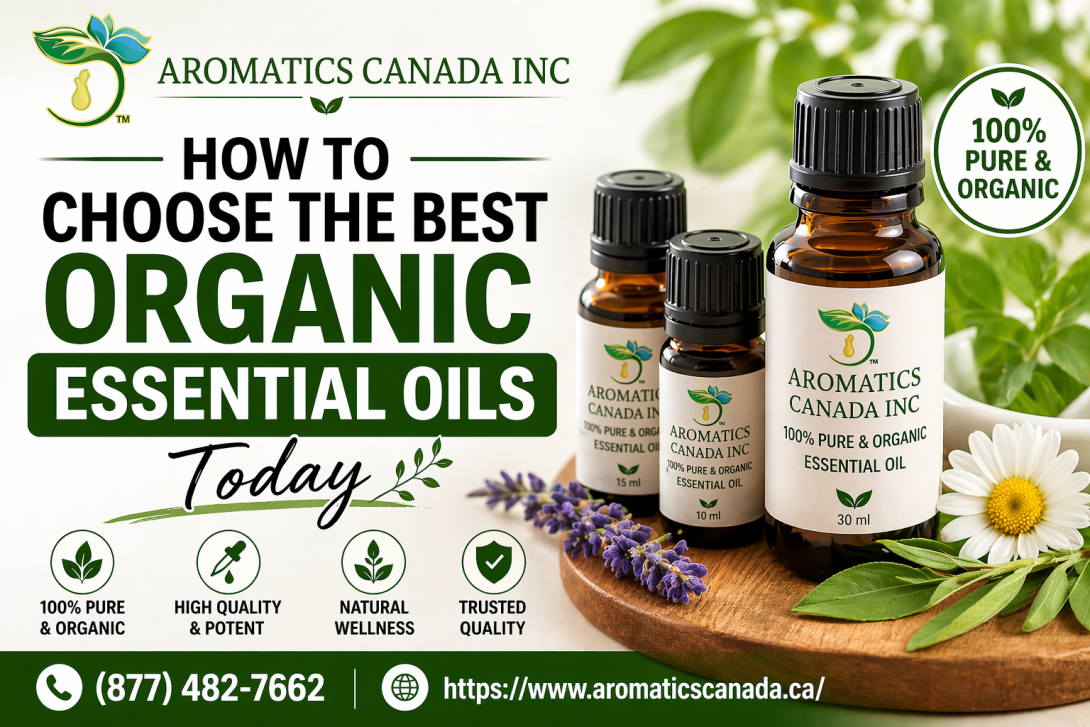
The demand for natural wellness products has grown rapidly, and Organic Essential Oils have become a popular choice for those seeking cleaner, plant-based alternatives. From aromatherapy and skincare to home use, these oils offer a wide range of benefits. However, not all essential oils are created equal. Knowing how to choose high-quality options is key to ensuring safety, effectiveness, and value.
This guide will help you understand what to look for when selecting the best Organic Essential Oils in today’s market.
What Are Organic Essential Oils?
Organic Essential Oils are concentrated plant extracts derived from organically grown herbs, flowers, roots, and fruits. These plants are cultivated without synthetic pesticides, herbicides, or genetically modified organisms (GMOs). The extraction process—often through steam distillation or cold pressing—preserves the plant’s natural compounds and therapeutic properties.
Choosing organic ensures that you’re using oils that are closer to nature, free from harmful residues, and often more environmentally sustainable.
Check for Organic Certification
One of the most reliable ways to verify quality is by looking for certified organic labels. Certifications indicate that the product meets strict agricultural and processing standards. Reputable certifications vary by region but generally ensure:
- No use of synthetic chemicals
- Sustainable farming practices
- Non-GMO ingredients
Always review the product label or website description to confirm its certification status. Transparency in sourcing and production is a strong indicator of a trustworthy brand.
Understand the Botanical Name
Every essential oil should list its botanical (Latin) name, such as Lavandula angustifolia for lavender. This is important because common names can be misleading. For example, different plant species may share the same common name but have different properties.
When selecting Organic Essential Oils, checking the botanical name ensures you’re getting the exact oil you intend to use, especially for therapeutic or skincare purposes.
Evaluate the Extraction Method
The way an essential oil is extracted significantly impacts its quality. The most common methods include:
- Steam Distillation: Ideal for most plants, preserving purity
- Cold Pressing: Used mainly for citrus oils
- CO₂ Extraction: A modern method that retains more compounds
High-quality Organic Essential Oils are typically extracted without the use of harsh chemicals. Look for brands that clearly state their extraction methods, as this reflects their commitment to quality.
Look for Purity and Ingredient Transparency
Pure essential oils should not contain additives, fillers, or synthetic fragrances. When reviewing a product:
- Check for a single ingredient (the plant extract)
- Avoid terms like “fragrance oil” or “perfume oil”
- Look for detailed ingredient listings
Transparency is essential. Reputable suppliers often provide additional information such as batch numbers, sourcing regions, and even third-party testing results.
Consider the Source and Origin
The geographical origin of a plant can influence the quality and aroma of its essential oil. Factors such as soil, climate, and altitude all play a role in the plant’s chemical composition.
For instance, lavender grown in one region may differ slightly in scent and potency from lavender grown elsewhere. Reliable brands typically disclose the country of origin, helping you make more informed decisions when purchasing Organic Essential Oils.
Packaging Matters
Essential oils are sensitive to light, heat, and air. Proper packaging helps maintain their potency and shelf life. High-quality oils are usually stored in:
- Dark amber or cobalt blue glass bottles
- Airtight containers with secure caps
Avoid products packaged in clear plastic or low-quality containers, as these can degrade the oil over time.
Assess Aroma and Consistency
While you may not always be able to test an oil before purchasing, aroma can be a useful indicator when you can. Pure Organic Essential Oils should have a natural, well-balanced scent—not overly strong or artificial.
Consistency can also vary depending on the oil type, but it should not feel greasy or diluted. Trust your senses—if something seems off, it’s worth reconsidering the product.
Research the Brand’s Reputation
With many options available, brand reputation plays an important role. Look for companies that:
- Provide clear product information
- Share sourcing and production practices
- Have positive customer feedback
Reading reviews and exploring the company’s website can give you insight into their commitment to quality and transparency. For example, browsing selections from Aromatics Canada Inc can help you understand how established suppliers present their products and information.
Compare Pricing Carefully
Price can be an indicator of quality, but it’s not the only factor. Extremely low-priced oils may be diluted or of lower grade, while very high prices don’t always guarantee superior quality.
When evaluating Organic Essential Oils, consider the balance between cost and transparency. Products that clearly outline their sourcing, certification, and testing processes often provide better value over time.
Know Your Intended Use
Different essential oils serve different purposes. Before making a purchase, think about how you plan to use the oil:
- Aromatherapy: Look for calming or uplifting scents
- Skincare: Choose oils known for gentle, skin-friendly properties
- Home Use: Citrus or herbal oils are often used for cleaning or freshness
Understanding your needs will help you select the most suitable Organic Essential Oils for your lifestyle.
Final Thoughts
Choosing the best Organic Essential Oils today requires a combination of knowledge, awareness, and careful evaluation. By focusing on certification, purity, sourcing, and transparency, you can confidently select oils that align with your wellness goals.
As the market continues to grow, taking the time to research and compare options will ensure you’re investing in products that are both safe and effective. Whether you’re new to essential oils or expanding your collection, informed choices make all the difference.