

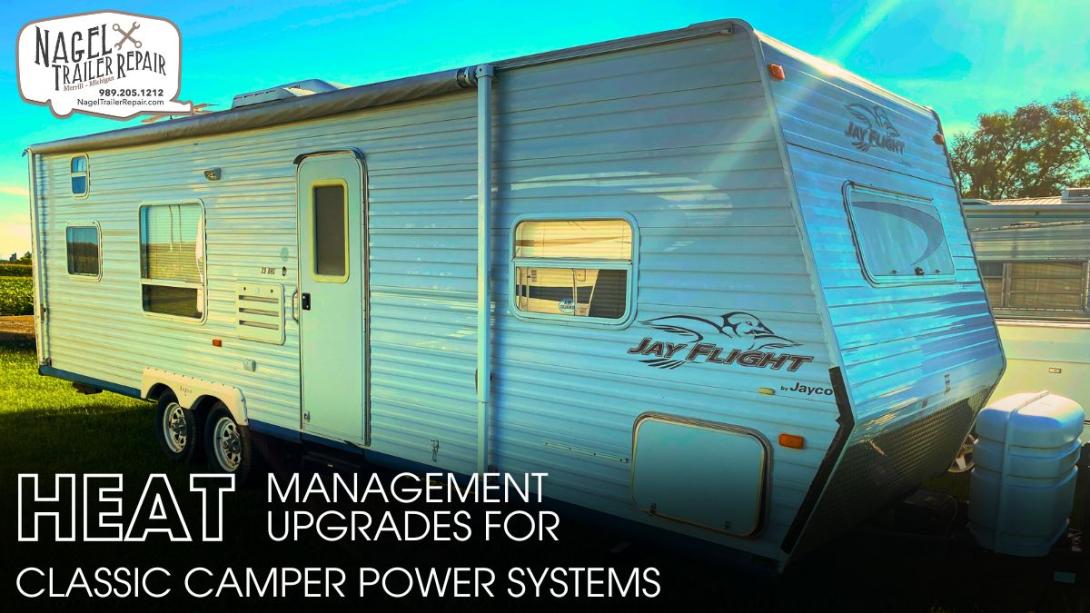
Classic campers have a timeless appeal, but their older electrical systems often struggle when temperatures climb.
Rising heat can push wiring, batteries, and inverters beyond their limits. Overheated components lose efficiency, weaken faster, and fail without warning—turning a simple trip into an expensive repair.
This guide will walk you through proven upgrades and smart strategies that keep your classic camper’s power system cooler, safer, and ready for the road ahead.
Understanding Heat Issues:
Heat plays a bigger role in classic camper performance than most owners realize. When electrical components get too warm, resistance increases, efficiency drops, and damage becomes far more likely. In many classic camper restoration Michigan projects, technicians discover that vintage electrical systems were never built to handle today’s accessories or continuous high-power demands.
Common heat contributors include:
- Inverters working for long periods
- Batteries heating during charging
- Tight electrical compartments that trap warm air
- Appliance load spikes that overwhelm wiring
A clear understanding of these issues helps you make smart upgrade decisions before turning to classic RV repair Michigan professionals.
Assessing Current Setup:
Before upgrading anything, take time to evaluate the condition of your existing power system. Start with a close inspection of wiring, battery compartments, fuse blocks, and inverter placement. Look for discoloration, brittle insulation, or unusual odors—these are clear signs of heat stress.
Tools like infrared thermometers and compact thermal cameras help you identify hotspots that aren’t visible to the eye. During classic trailer repair Michigan inspections, technicians often rely on temperature mapping to uncover hidden issues that reduce system safety and efficiency.
Helpful diagnostic checks:
- Measure inverter temperature under load
- Verify that battery bays have proper airflow
- Check fuse panels for heat buildup
- Look for corrosion that increases resistance
Cooling Hardware Options:
Modern cooling hardware offers an immediate boost to heat control in older campers. Heat sinks, cooling fans, and vent kits work together to pull hot air away from sensitive components and maintain stable operating temperatures.
Heat sinks absorb and disperse heat from inverters and converters, while efficient 12V fans circulate fresh air through cramped electrical spaces. Vent kits improve passive airflow, allowing heat to escape naturally without requiring high-energy equipment.
Useful upgrades include:
- Aluminum heat sinks for major electronics
- 12V fans in battery and charger compartments
- Ventilation panels for tight wiring areas
- Thermal pads to enhance heat transfer
Battery & Inverter Upgrades:
If you want a major improvement in heat performance, start with your batteries and inverter. Lithium batteries stay cooler, recharge faster, and maintain stable voltage under load. They also work well with smart chargers that monitor temperature and adjust charging rates to prevent overheating.
Upgrading to a pure sine wave inverter offers better cooling control and often includes built-in thermal protection. These modern inverters reduce heat output and deliver cleaner power, making them ideal upgrades for any restoration.
Strong upgrade options:
- Install lithium battery banks
- Add temperature-sensing smart chargers
- Use pure sine wave inverters
- Add thermal cutoffs for safety
Insulation & Airflow Fixes:
Older campers often hide outdated insulation and airflow problems. Improving physical layout and ventilation helps reduce heat without relying solely on hardware. Heat-resistant insulation, smart cable routing, and reflective barriers all play a role in keeping wiring and electronics at safe operating temperatures.
Enhanced airflow prevents heat from collecting in dead spaces. Redirecting vents, removing obstructions, and placing fans strategically can drastically reduce heat across the system.
Practical improvements:
- Route cables away from heat sources
- Add reflective heat shields
- Improve passive airflow paths
- Use hooded vents to support natural convection
Maintenance & Monitoring:
Once you’ve completed your upgrades, ongoing monitoring is essential. Temperature sensors, thermal labels, and digital monitors help you track heat levels and spot issues before they become serious.
Routine maintenance—including cleaning fans, tightening terminals, and checking insulation—keeps your power system running cool and efficiently. Whether you prefer DIY or rely on professionals, these practices support long-term performance and safer travels as part of your classic camper repair Michigan upkeep.
Maintenance checklist:
- Clean and test cooling fans
- Tighten all electrical connections
- Replace worn or brittle insulation
- Monitor inverter and battery temperatures regularly
The Role of Professional Maintenance:
Professional maintenance plays a crucial role in keeping a classic camper safe, reliable, and ready for the road. Skilled technicians can spot early warning signs that owners often overlook, especially when dealing with aging electrical components or older fuel systems. Their expertise ensures that cooling upgrades are installed correctly, wiring is properly routed, and ventilation paths fully support long-term performance.
At the same time, professionals bring the precision needed to inspect and retrofit gas lines, test for leaks, and verify that fittings meet modern safety standards. Their work reduces the risks that come from outdated materials or past DIY fixes. By trusting a trained specialist, you gain peace of mind knowing your camper’s most critical systems are updated, protected, and performing the way they should—no matter where your next trip leads.
Conclusion:
Heat management isn’t just a comfort upgrade—it’s a critical part of keeping your classic camper safe and road-ready. By improving airflow, updating batteries and inverters, and staying proactive with monitoring, you can dramatically extend the life of your electrical system. With these practical upgrades, every classic trailer repair Michigan project becomes more reliable and better equipped for long, worry-free adventures.