

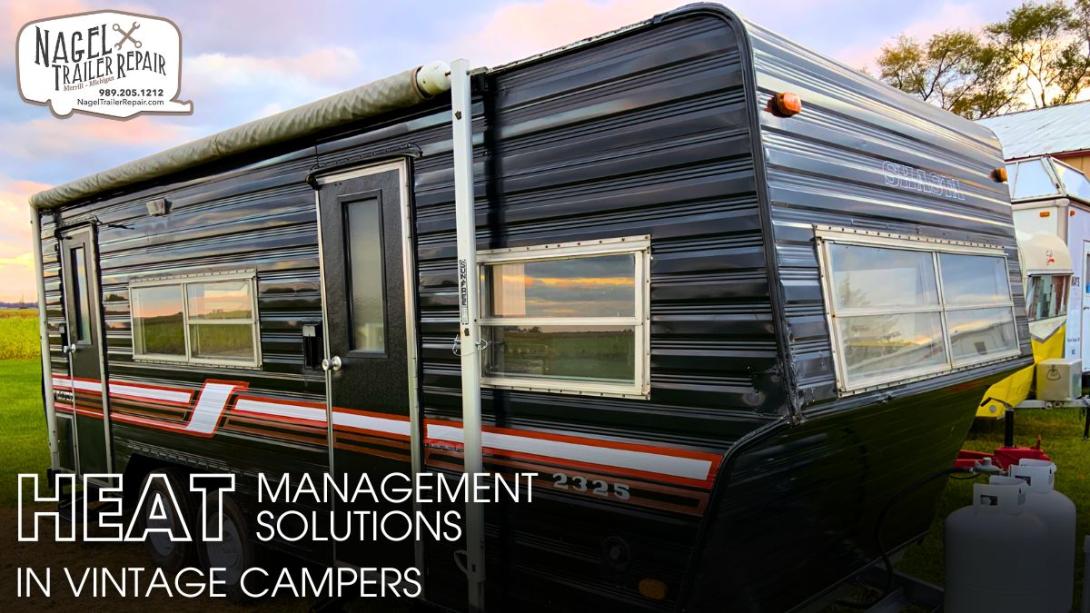
Vintage campers are timeless icons of travel, but their charm often comes with an unavoidable challenge — managing heat. Unlike modern RVs, these classics were built with minimal insulation, limited ventilation, and little concern for climate control. Their lightweight aluminum shells, once prized for portability, now act as heat magnets under the Michigan sun. The result? Interiors that trap warmth like a greenhouse, making even short trips uncomfortable.
Over the years, sealants crack, insulation deteriorates, and small air leaks develop, allowing heat to infiltrate more easily. Owners seeking vintage camper repair Michigan professionals quickly discover that temperature control isn’t just about comfort — it’s about preserving the camper’s integrity. Excessive heat can warp wood framing, loosen adhesives, and weaken structural joints, all of which threaten the longevity of these beautiful machines.
Analyzing Original Materials:
Before diving into upgrades, understanding the camper’s original construction is essential. Vintage campers from the 1950s through the 1970s were often built using materials that prioritized lightness over insulation. Aluminum outer shells, thin wood panels, and minimal fiberglass batting were common. These materials were fine for short seasonal trips but ill-suited for sustained exposure to heat and humidity.
Michigan’s diverse climate — with its hot summers and cool nights — adds an extra layer of complexity. The expansion and contraction of these metals and woods can cause subtle shifts that worsen over time. For those relying on vintage camper restoration Michigan experts, the goal is to evaluate which materials can be preserved and where modern substitutes are needed without compromising historical accuracy.
A skilled restoration process includes:
- Assessing the thermal conductivity of the existing shell and wall panels.
- Identifying deteriorated insulation that has compressed or lost effectiveness.
- Checking for hidden moisture damage that can amplify heat retention.
- Inspecting for reflective coatings or sealants that may have faded away.
These initial assessments form the foundation for any effective heat management plan.
Modern Insulation Upgrades:
Today’s insulation technology provides a wide range of solutions that blend performance with authenticity. Upgrading insulation in vintage campers requires precision — every added layer must respect the camper’s weight balance, structure, and vintage appearance. Many vintage camper repair Michigan services now employ materials like reflective bubble insulation, closed-cell spray foam, or natural wool, which provides excellent temperature regulation and moisture resistance.
Reflective foils can bounce radiant heat away from the camper’s roof and walls, while lightweight foams reduce heat transfer without adding unnecessary bulk. In Michigan’s humid conditions, vapor barriers are crucial for preventing condensation buildup behind the panels. Without them, trapped moisture could lead to mold and structural decay.
Some advanced restorations use:
- Radiant barrier films under the roof skin for superior heat reflection.
- Eco-friendly wool batts that naturally regulate temperature and resist mildew.
- Closed-cell spray foam for precision sealing around window frames and corners.
Such materials allow for modern comfort while retaining a vintage aesthetic.
Ventilation and Airflow Tips:
Even with high-quality insulation, heat management fails without proper ventilation. Airflow is the unsung hero of camper comfort, and older models often lack it. The confined interiors of vintage campers can trap heat quickly, so improving circulation is key.
Installing roof vents or adding small, energy-efficient 12V fans can make a world of difference. Many vintage camper maintenance Michigan solutions also include upgrading window seals and adding screened side vents to promote cross-ventilation. This simple modification allows hot air to rise and escape naturally, drawing cooler air inside.
Here are a few practical upgrades owners often consider:
- Roof-mounted turbo vents that run on solar power.
- Dual-window vent systems to enhance air exchange.
- Screened floor vents for passive airflow at night.
- Adjustable vent covers that allow air movement even during rain.
In older campers, mechanical ventilation may also be supplemented by lightweight portable fans or reversible vent systems that help during Michigan’s humid evenings.
Cooling and Shading Options:
When insulation and airflow reach their limits, shading becomes the next line of defense. The simplest form of heat management in a vintage camper is preventing sunlight from ever reaching it. This is where vintage camper restoration Michigan experts often turn to creative, low-impact methods that protect both the camper’s look and performance.
Adding a retractable awning or canopy can lower interior temperatures by several degrees, while reflective covers for windows can block intense UV radiation. Some restorers even use roof-mounted sunshades made from lightweight aluminum mesh — a subtle yet highly effective solution.
For owners who prefer mobility and sustainability, small solar-powered ventilators or portable AC units can provide comfort without overwhelming the electrical system. Michigan’s varying terrain makes these solutions particularly valuable for long-distance travelers who face both sunny campsites and shaded forest locations.
Common cooling accessories include:
- Reflective roof coatings that reduce surface heat absorption.
- Canvas awnings or tarps for natural shade.
- Battery-powered cooling fans for off-grid trips.
- Portable air conditioners with low wattage draw for vintage setups.
These options maintain the retro appeal while ensuring that every journey remains pleasant — even during peak summer months.
Balancing Comfort and Authenticity:
One of the biggest challenges in restoring classic campers is achieving modern comfort without sacrificing originality. Authenticity is sacred among vintage camper enthusiasts, yet practicality demands innovation. Professional vintage camper repair Michigan services often emphasize reversible upgrades — improvements that enhance comfort while allowing owners to revert to the original state if desired.
For instance, thermal curtains or removable window inserts can provide insulation during hot weather but be easily detached for display or cooler seasons. Subtle under-floor insulation layers or concealed ceiling foils are invisible to the eye but highly effective against heat transfer.
Skilled restorers use a blend of craftsmanship and engineering to ensure that every modification feels period-appropriate. They understand that the soul of a vintage camper lies in its details — the grain of its wood, the gleam of its aluminum, the authenticity of its fixtures. That’s why the best vintage camper maintenance Michigan solutions integrate discreet technology to preserve both function and form.
When done properly, the camper feels timeless — comfortable yet classic, modern yet undeniably vintage.
The Role of Professional Maintenance:
Professional maintenance plays a defining role in preserving the performance and charm of any vintage camper. Skilled technicians understand the delicate balance between authenticity and functionality, ensuring that every upgrade enhances comfort without compromising originality.
Proper insulation, sealing, and airflow optimization help maintain stable interior temperatures while protecting aged materials from heat damage and moisture. Similarly, the restoration of chrome and aluminum trim demands precision — cleaning, polishing, and re-coating require both technical expertise and patience to revive that classic shine.
Professionals use specialized compounds and non-abrasive methods to prevent corrosion and preserve surface integrity. Their craftsmanship not only restores aesthetic brilliance but also reinforces long-term durability. Regular inspections, preventive treatments, and thoughtful restoration ensure that every surface gleams, every joint stays firm, and every journey in a vintage camper remains as comfortable and timeless as it was decades ago.
Conclusion:
Managing heat in vintage campers isn’t just about adding new materials or gadgets — it’s about understanding how these classic structures behave under stress and adapting intelligently. With professional vintage camper repair Michigan expertise, even the oldest models can be revitalized for year-round comfort.
From reflective insulation to efficient airflow, every adjustment contributes to a safer and more enjoyable experience. The combination of modern thermal science and traditional craftsmanship ensures that these beloved campers continue to inspire new generations of travelers.
With the right vintage camper restoration Michigan experts and thoughtfully designed vintage camper maintenance Michigan solutions, you can preserve your camper’s history while preparing it for many more summers on the open road. Whether it’s a polished aluminum Shasta or a cozy Airstream from the ’60s, proper heat management ensures your vintage camper stays cool, comfortable, and true to its heritage — just as it was meant to be.