

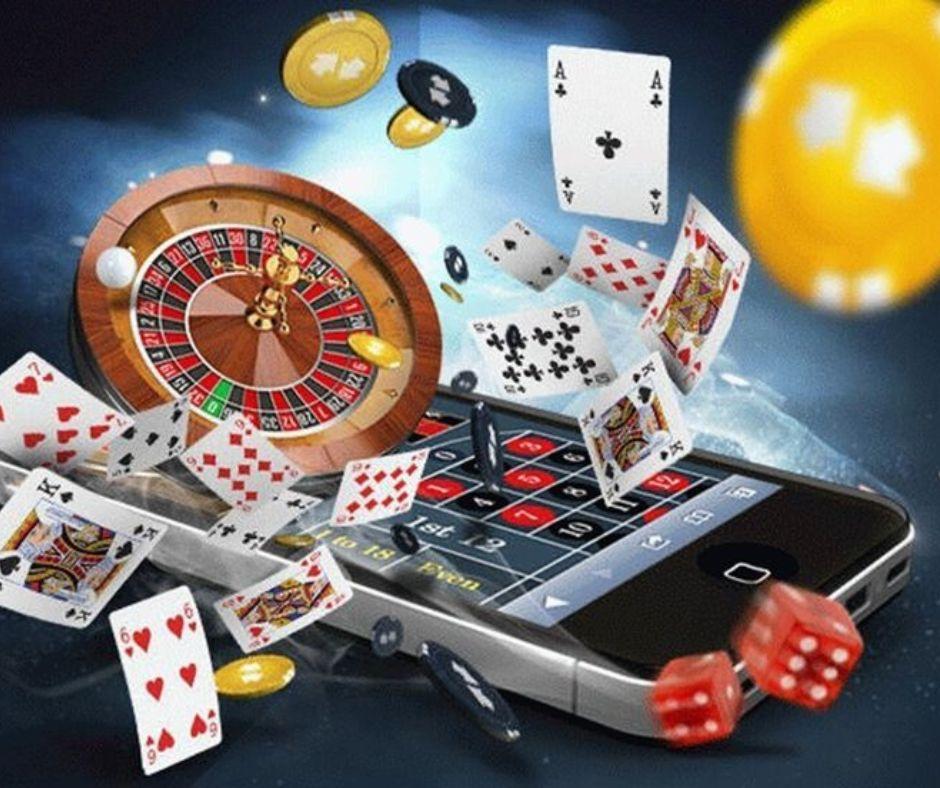
Gambling has been part of human culture for thousands of years. From ancient dice games in Mesopotamia to modern-day online casinos, gambling games have always fascinated—and tempted—people with the promise of quick riches and excitement.
But what exactly are gambling games? Why are they so popular? And what lies beneath the surface of this multi-billion-dollar industry? In this blog post, we’ll explore the world of gambling games—their appeal, types, psychological mechanics, risks, and the fine line between entertainment and addiction.
What Are Gambling Games?
Gambling games are games of chance (and sometimes skill) in which players wager money or something of value for the chance to win a prize. The outcome is often determined by random events—spinning a wheel, rolling dice, drawing cards, or generating numbers.
The key elements of gambling games are:
- Consideration (placing a bet)
- Chance (uncertainty of outcome)
- Prize (a reward or payout)
These three ingredients are what differentiate gambling from other forms of entertainment. Whether it’s a coin flip or a full-fledged poker tournament, if money is at stake and chance is involved, it’s gambling.
Popular Types of Gambling Games
There are many types of gambling games, each with unique mechanics and appeal. Let’s look at the most common categories:
1. Casino Games
Casino games are the most iconic form of gambling. Common examples include:
- Slot machines: Simple games where players spin reels to match symbols.
- Roulette: Players bet on where a ball will land on a spinning wheel.
- Blackjack: A card game where players aim to beat the dealer by getting closest to 21.
- Baccarat: A high-stakes card game popular among elite players.
- Craps: A dice game with fast-paced betting rounds.
2. Card Games
Some card games involve a mix of skill and chance:
- Poker: One of the most skill-based gambling games. Variants like Texas Hold'em involve reading opponents, bluffing, and strategic betting.
- Rummy (with cash stakes) and Teen Patti: Popular in parts of Asia and often played for money.
3. Sports Betting
Wagering on the outcome of sporting events—football, horse racing, cricket, basketball, etc.—is one of the oldest forms of gambling. Sports betting can be casual or highly structured with odds, spreads, and live updates.
4. Lottery and Scratch Cards
Lotteries are pure chance-based games where players purchase tickets for a chance to win a jackpot. Scratch cards offer instant results and are widely accessible.
5. Online Gambling
With the rise of the internet, gambling games are now just a click away. Online casinos, poker rooms, and sports betting platforms have revolutionized the industry, making it more convenient—and more dangerous—than ever.
The Psychology of Gambling
Why do people gamble, even when the odds are often stacked against them?
1. The Thrill of Risk
Gambling triggers adrenaline and dopamine, the brain's "feel-good" chemicals. The uncertain outcome creates suspense, and a win can feel exhilarating—even addictive.
2. Illusion of Control
Players often believe they can influence random outcomes, like picking lucky numbers or using strategies at the roulette table. This illusion fuels more gambling, despite randomness.
3. Near Misses
Slot machines and scratch cards are designed to show near wins—results that are close to a jackpot. These near misses trick the brain into thinking a win is just around the corner.
4. Variable Rewards
Just like social media notifications or video game loot boxes, gambling uses variable-ratio reinforcement—a psychology principle where rewards come unpredictably. This pattern keeps players hooked.
Risks and Consequences
While gambling can be entertaining for some, it comes with serious risks:
1. Addiction
Gambling addiction, or problem gambling, is a behavioral disorder where a person cannot resist the urge to gamble, even when it causes harm. Symptoms include:
- Chasing losses
- Lying about gambling
- Borrowing money to bet
- Losing control
Gambling addiction affects millions of people worldwide and can lead to broken relationships, debt, mental health issues, and even suicide.
2. Financial Loss
Most gambling games are designed with a house edge, meaning the casino or operator has a built-in profit margin. Over time, players will statistically lose more than they win.
3. Underage Gambling
With online gambling’s rise, it's become easier for minors to access gambling sites, often leading to early exposure and addiction.
4. Crime and Fraud
Illegal gambling operations, loan sharks, and fraud are common in unregulated markets. Problem gamblers may also resort to theft or deception to fund their habit.
Regulation and Legal Framework
Gambling is heavily regulated in most countries, though laws vary widely:
- United States: Each state regulates gambling independently. Las Vegas and Atlantic City are major legal hubs, while others limit or ban it.
- United Kingdom: Regulated by the UK Gambling Commission, which oversees fairness and consumer protection.
- India: Gambling is mostly illegal except in a few states. Online gambling remains in a gray legal area.
- European Union: Countries like Malta and Gibraltar are known for liberal, regulated gambling laws.
Responsible gambling regulations often include:
- Age restrictions
- Deposit limits
- Self-exclusion options
- Fair play certification
- Advertising restrictions
Many jurisdictions require operators to promote responsible gambling and provide resources for help.
Responsible Gambling: Know the Limits
Not everyone who gambles becomes addicted. Many people treat it as occasional entertainment—like watching a movie or going to a concert. The key is moderation.
Tips for Responsible Gambling:
- Set a budget and stick to it
- Never chase losses
- Don’t gamble under the influence of alcohol or stress
- Take regular breaks
- Use casino tools like time limits or deposit caps
- Seek help if gambling is affecting your life
Organizations like Gamblers Anonymous, BeGambleAware, and NCPG (National Council on Problem Gambling) offer support to those struggling.
Gambling in Video Games: The New Frontier
Interestingly, gambling mechanics are creeping into video games too. “Loot boxes” and in-game purchases in games like FIFA or Fortnite resemble slot machines and are drawing criticism for encouraging gambling behavior—especially among children.
Some countries have begun to regulate these mechanics as gambling, sparking a wider debate about where the line should be drawn.
Conclusion: Gamble With Your Eyes Open
Gambling games can be thrilling, social, and even strategic. For some, they offer a chance to test luck or unwind after a long day. But the risks are very real—and often hidden behind flashing lights and celebratory sound effects.
Understanding how gambling games work, why they’re addictive, and how to engage responsibly can help you enjoy the fun without falling into the trap. Like any form of entertainment, moderation is key. And if the game ever starts playing you—it's time to walk away.