
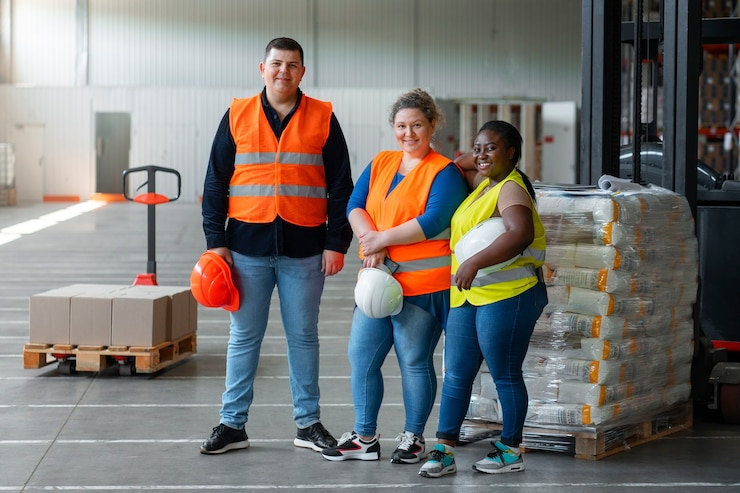
Incidents in the workplace, whether they involve slips, trips, falls, or more severe hazards, can have serious consequences for both workers and businesses. That’s why empowering employees to play an active role in effective incident analysis is crucial for a safer and more productive workplace. In this article, we’ll break down how you can encourage, train, and engage your team to support investigations in a meaningful way. We will also include practical stories and a step-by-step guide to make this easier to apply.
Understanding workplace safety is more than just putting up a few warning signs. It’s about fostering a culture where everyone feels confident and responsible for keeping themselves and their colleagues safe. Programs like the NEBOSH certification help with this mindset, though many wonder about the NEBOSH Fee, which can vary depending on where you study. Still, investing in proper training is worth every penny when you consider the human and financial costs of workplace incidents.
Why Employee Involvement Matters
Employees are on the front lines every day. They see what works, what doesn’t, and what goes wrong. When they actively take part in incident investigations, you benefit from their first-hand experience. Workers can point out root causes that managers might overlook. For example, a supervisor might think a machine malfunctioned, but a worker could reveal it was because of a blocked emergency stop button no one thought to check.
Consider a true story from a metal workshop. A new employee suffered a minor cut when handling sheet metal. The supervisor assumed it was due to carelessness, but after involving other workers in the investigation, they discovered the gloves issued were too large for smaller hands, making it hard to grip the sheet. Fixing the glove sizes prevented more injuries. This small anecdote proves the value of empowering workers to speak up.
Breaking Down Barriers
One of the greatest challenges is that many workers fear speaking up. They worry about blame, or even losing their job. As a leader, you must break down those barriers. Here’s how:
- Foster trust — Make it crystal clear that the goal of incident analysis is improvement, not punishment.
- Communicate openly — Let workers know how their feedback makes a difference.
- Celebrate honesty — Reward people who report hazards or participate in investigations.
When your team feels psychologically safe, they’re far more likely to engage and help.
Step-by-Step Guide to Empower Your Workers
Here’s a simple, actionable roadmap to get your people actively supporting effective incident analysis.
Step 1: Train for Awareness
Hold workshops to explain why thorough incident analysis matters. Show workers the link between their participation and fewer injuries. You can even bring in a safety trainer who has completed a workplace safety course to deliver the message in relatable language.
Step 2: Develop Investigation Teams
Build small investigation teams that include workers from various roles. For example, if an incident involves warehouse storage, involve warehouse operators, not just managers. Rotate team members so everyone gains experience.
Step 3: Use Simple Tools
Fancy software and forms can be intimidating. Instead, use checklists and simple reporting forms that workers can fill out without a hassle. Encourage photos, voice recordings, or sketches as evidence — these are often more powerful than written text alone.
Step 4: Practice, Practice, Practice
Run mock investigations every few months so workers know what to do. Rehearsing helps them gain confidence to ask the right questions when real incidents happen.
Step 5: Share the Findings
Whenever an investigation wraps up, share what was learned. Keep it transparent. Show how changes will be made so employees can see their contributions making a difference.
Building a Culture of Continuous Improvement
Supporting incident analysis isn’t a one-time fix — it’s an ongoing culture shift. When workers see that you care about their well-being, they’ll care, too. In a recent case at a food processing factory, the management empowered floor staff to monitor near-miss incidents. Within six months, they cut injuries by half, simply because employees felt confident to share hazards early.
Encouraging this kind of teamwork can be far more affordable than dealing with lost time or hospital bills. While many organisations hesitate about investing in safety training because of concerns about the NEBOSH Fee, remember that workplace accidents cost much more in the long run.
The Role of Leadership
Managers must set the tone. You can’t expect workers to feel safe investigating incidents if you don’t walk the talk. So here’s what good leadership looks like:
- Show empathy — Respond to incidents with understanding.
- Participate — Join investigation teams occasionally to show commitment.
- Remove blame — Reinforce that mistakes are opportunities to learn.
When you lead by example, your team will follow.
Supporting Effective Communication
For incident investigations to work, communication must flow freely. Set up channels like:
- anonymous reporting systems
- open-door policies
- feedback boards
- safety suggestion boxes
Sometimes, it helps to schedule a casual safety talk over tea once a month. You’d be surprised what people share in an informal chat.
Empowering Through Ownership
When workers feel ownership of the safety process, they become your strongest allies. Give them roles and responsibilities. For example, assign someone to check PPE supplies weekly, or have another track near-miss reports. These little responsibilities build pride and accountability.
Story Spotlight
A friend of mine worked in a textile mill where no one wanted to report near-misses because they thought it made them look bad. After a worker-led safety committee was formed, people began sharing near-miss reports. It turned out a faulty step on a stairwell was almost causing falls daily. Management fixed it in a week. That small change probably prevented a broken leg — or worse.
How to Handle Difficult Conversations
Sometimes, incident analysis will reveal uncomfortable truths. Maybe a supervisor neglected inspections, or maybe someone bypassed safety rules. Handle these conversations carefully:
- Listen first
- Avoid accusing language
- Focus on the facts
- Plan corrective measures together
If you treat people with respect, you’ll get respect in return.
Using Data to Improve
Data gathered from incident reports is gold. Look for patterns:
- Are accidents happening on certain shifts?
- Do they involve the same equipment?
- Is a particular group more at risk?
Share these trends with employees so they see the power of their input. Together, you can fix the root causes.
Benefits of Worker-Led Incident Analysis
Here’s what you gain when you empower your team to investigate incidents:
- Fewer repeat accidents
- Lower insurance premiums
- Happier, healthier staff
- More trust in leadership
- Higher productivity
If you needed another reason, remember that safety improvements also make for a stronger business reputation.
Getting Workers on Board
Sometimes workers might resist. They’re too busy, too shy, or worried about consequences. Here’s how to win them over:
✅ Provide training
✅ Acknowledge their efforts publicly
✅ Explain how incident analysis benefits them personally
✅ Give them a voice in follow-up actions
By following these tips, you’ll find even the quietest team members willing to help out.
Read more about Best NEBOSH Institute in Pakistan if you want to explore quality safety education options that build confidence in your team.
The Future of Safety Culture
More workplaces are shifting to employee-centered safety cultures. Incident investigations driven by workers, for workers, are here to stay. Smart organisations are blending traditional training with fresh ideas, like peer-to-peer safety mentoring and micro-learning tools on mobile devices.
If you invest in a culture of trust and respect, you’ll see workers becoming champions of safety, not just passive participants.
Final Thoughts
If you really want to build a strong safety culture, focus on empowering workers in every phase of incident analysis. They are the eyes and ears of your operations. They know where risks hide and how hazards develop. Trust them, train them, and support them — and you’ll find workplace incidents go down while morale goes up.
Before you worry too much about the NEBOSH Fee, consider what a workplace injury costs: downtime, medical bills, reputation damage, and the personal heartbreak of seeing a team member hurt. Good safety training pays for itself many times over.