

There's a moment every operations manager eventually faces — stacks of mislabeled shipments, outdated product sheets circulating internally, or a compliance audit revealing that half your document trail exists only in someone's inbox. It's frustrating. And it's surprisingly common, even in businesses that consider themselves fairly organized.
This is exactly where digital document services step in — not as a luxury, but as operational infrastructure.
What Digital Document Services Actually Cover
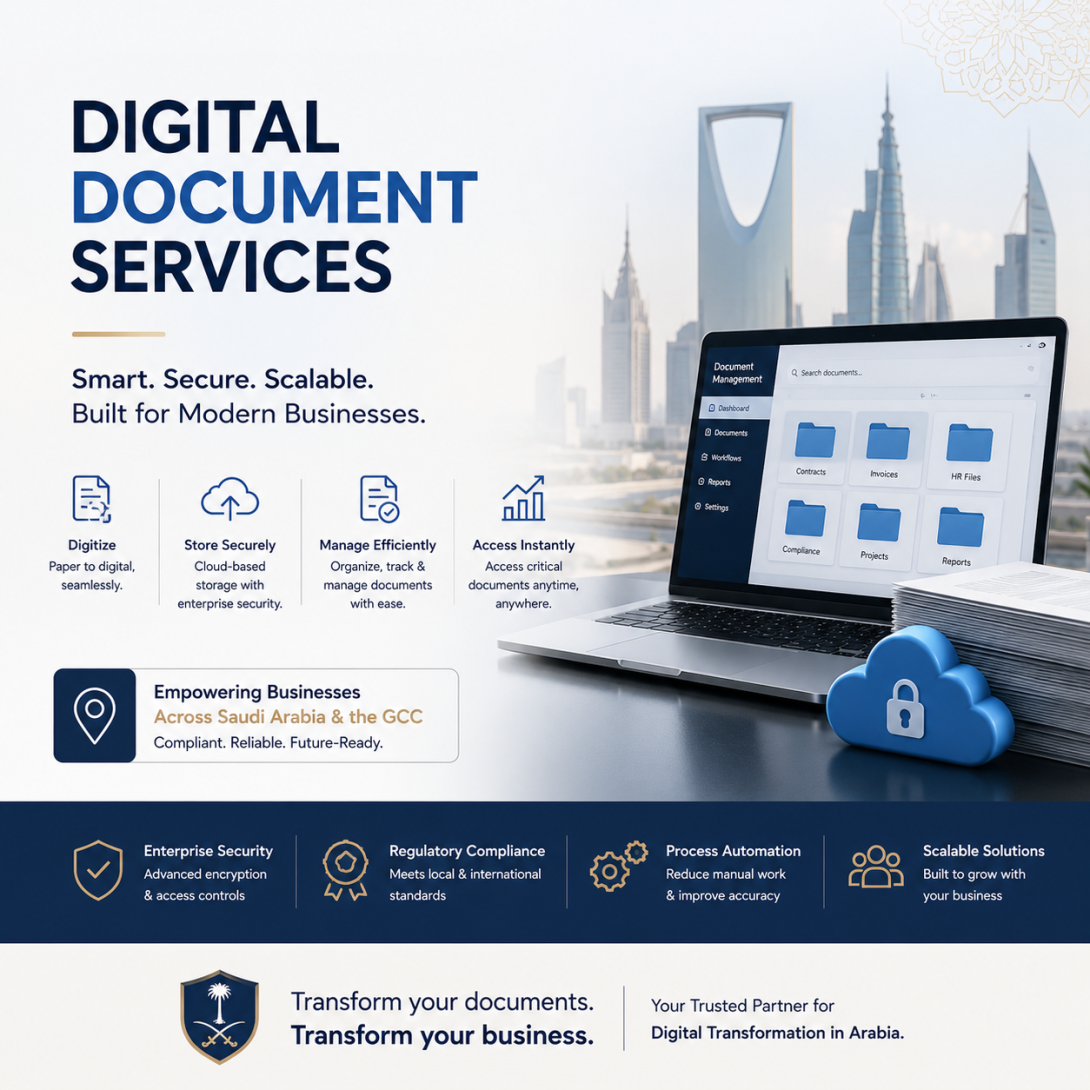
The term gets used loosely, so let's be specific. Digital document services refer to the end-to-end management of documents in digital form — creation, storage, retrieval, distribution, and physical output when needed. That last part matters more than people realize.
A lot of businesses treat digital and physical as separate workflows. They're not. A warehouse team still needs printed labels. A manufacturing floor still relies on physical tags and barcodes. The real value of modern document services is connecting the digital layer — your data, your templates, your compliance records — with the physical output layer, which is where equipment like an industrial printer or a digital label printer comes in.
The Role of Industrial Printers in Document Workflows
An industrial printer isn't just a faster desktop unit. These machines are built for continuous, high-volume output in demanding environments — warehouses, production lines, packaging facilities. They handle materials that standard printers can't: synthetic labels, heat-resistant tags, chemically treated stocks.
When integrated into a digital document system, industrial printers become endpoints in a smart workflow. Your ERP pushes a batch order. Your document platform generates the label template. The industrial printer outputs 2,000 serialized labels without anyone standing over a keyboard.
That's not a fantasy scenario — it's how mid-sized manufacturers in industries like pharma, FMCG, and logistics are already running things.
Why the Digital Label Printer Has Become a Business Essential
A few years ago, a digital label printer was mostly relevant to industries with very specific compliance needs — food labeling, chemical hazard tags, regulatory barcodes. That's still true, but the use cases have expanded considerably.
E-commerce fulfillment, retail price management, asset tracking, event ticketing — across all of these, the ability to print accurate, on-demand labels directly from a digital source has become table stakes. The alternative — outsourcing label printing or running static pre-printed sheets — creates lag, waste, and errors that compound fast.
Modern digital label printers also support variable data printing, which means each label in a batch can carry unique information: different barcodes, serial numbers, lot codes, or QR links. This kind of flexibility simply isn't possible without the digital document layer sitting behind it.
Where Digital Document Services Create Real ROI
The ROI case isn't complicated. It comes down to three things:
- Error reduction — Digital templates with locked fields and validation rules eliminate the version-control chaos that costs teams hours every week
- Speed — Requests that used to require a designer or a print vendor can be fulfilled in minutes through self-serve document portals
- Compliance readiness — Audit trails, revision history, and approval workflows are built into the process rather than reconstructed after the fact
One thing worth noting: businesses that underestimate the integration piece often struggle. The document service itself might be solid, but if it doesn't connect cleanly with your existing ERP, WMS, or inventory platform, you're still doing manual work at the edges.
Choosing the Right Provider
Not every digital document services provider is set up for industrial environments. Some are built for office document management — great for contracts and HR files, less useful if you're running a production facility that needs label output at scale.
Questions worth asking before you commit: Does the platform support variable data printing? Can it push jobs directly to industrial or digital label printers? What's the integration story with your existing systems? And critically — what does their support model look like when something breaks on a Friday afternoon?
FAQs
What industries benefit most from digital document services?
Manufacturing, logistics, healthcare, and retail tend to see the strongest gains — particularly where labeling, compliance documentation, and high-volume print output intersect. But any business managing a significant document load can benefit from the right system.
Is a digital label printer the same as an industrial printer?
Not exactly. A digital label printer is optimized for label-specific media and variable data output. An industrial printer is a broader category that covers high-volume, heavy-duty printing across various formats. Some industrial printers do handle label printing, but they're designed for scale and durability rather than label-specific precision. Both often work together within an integrated document workflow.
How do digital document services support compliance requirements?
They provide version control, approval workflows, and audit trails that make it straightforward to demonstrate that the right document — with the right content — was used at the right time. For regulated industries, this isn't a nice-to-have; it's a baseline expectation.