
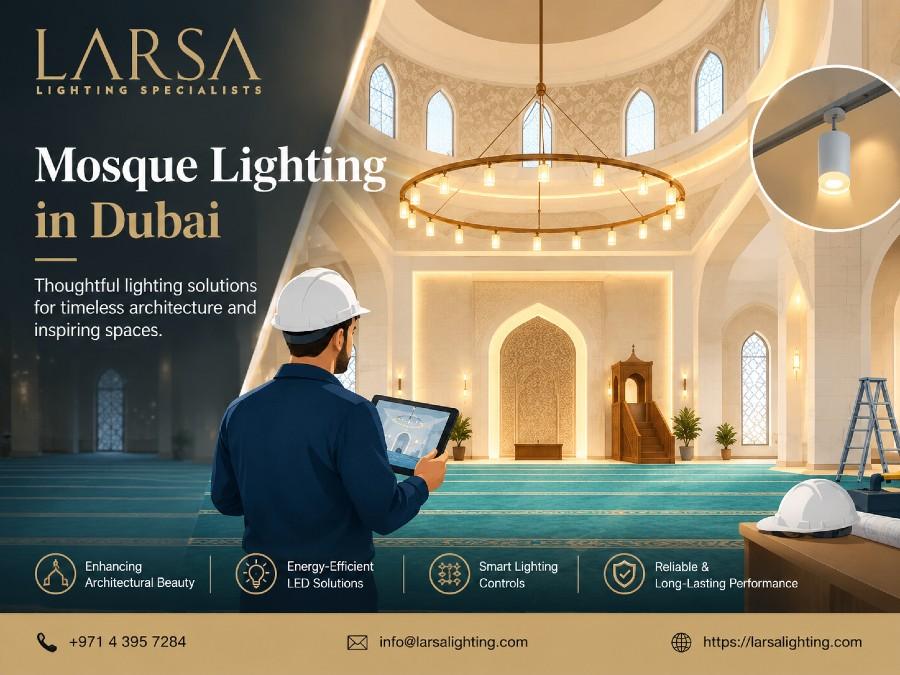
Mosques are distinguished by their architectural beauty, cultural significance, and peaceful atmosphere. From graceful domes and intricate arches to decorative chandeliers and detailed calligraphy, every feature contributes to the identity of a worship space. Choosing the right Mosque Lighting in Dubai requires more than selecting attractive fixtures. It involves balancing architectural elegance, visual comfort, energy efficiency, and the practical needs of daily worship.
A carefully planned lighting system can enhance traditional design while supporting modern requirements. Whether a mosque is being constructed or renovated, the goal is to create a welcoming environment where light complements the architecture without distracting worshippers.
Understand the Mosque’s Architectural Character
The first step in selecting mosque lighting is to evaluate the building's architectural style. Traditional mosques may feature ornamental ceilings, patterned surfaces, carved columns, and decorative metalwork. Contemporary designs may incorporate minimalist details, clean lines, and expansive glazing.
Lighting should respond to these characteristics rather than compete with them. Chandeliers can maintain a sense of grandeur in large prayer halls, while concealed LED lighting can emphasize domes, arches, and ceiling details. Discreet downlights may provide general illumination without introducing unnecessary visual clutter.
Fixture finishes also deserve attention. Bronze, brass, white, and matte black fittings should complement existing materials and decorative elements. Coordinating these details helps create a consistent appearance that remains elegant over time.
Prioritize Visual Comfort in Prayer Halls
Prayer halls require comfortable, consistent illumination across prayer rows, entrances, and circulation areas. Poorly positioned fixtures can create harsh glare, uneven brightness, and distracting shadows that affect the worship experience.
A layered lighting plan can address these challenges by combining several lighting types:
- Ambient lighting: Recessed or discreet surface-mounted LED fixtures provide general illumination across the prayer hall.
- Accent lighting: Carefully aimed spotlights highlight the mihrab, calligraphy, and selected architectural details.
- Indirect lighting: Concealed LED strips soften ceiling transitions and emphasize arches or decorative coves.
- Decorative lighting: Chandeliers and pendants contribute to the interior character while complementing functional light sources.
Each layer should serve a clear purpose. Rather than making every surface equally bright, the design should establish a balanced visual hierarchy that supports concentration and preserves the mosque's peaceful atmosphere.
Select Suitable Colour Temperature and Light Quality
Colour temperature influences how a mosque feels. Warm light can create an inviting atmosphere, while neutral white light may provide a cleaner appearance in contemporary interiors.
A colour temperature around 3000K is often suitable for traditional prayer halls, particularly where warm stone, timber, and gold-toned details are present. However, the ideal specification depends on the materials, available daylight, and architectural style.
Colour rendering is equally important. High-quality LED products help carpets, marble, decorative finishes, and calligraphy appear natural. Consistency between fixtures also prevents noticeable differences in colour across the prayer hall.
For Mosque Lighting in Dubai, selecting suitable optics and shielding is just as important as choosing colour temperature. Fixtures should distribute light effectively while minimizing direct glare from common standing and seated viewing positions.
Improve Energy Efficiency with LED Technology
Mosques often operate across several daily prayer periods and accommodate larger congregations on Fridays and during religious occasions. Energy-efficient lighting can therefore make a meaningful difference to operating costs.
LED technology offers several practical advantages, including lower energy consumption than many conventional lamps, long service life, and compatibility with dimming and control systems when appropriately specified.
However, choosing LED fixtures based on wattage alone can lead to disappointing results. Consider light output, beam distribution, driver quality, thermal management, surge protection, and warranty support. In high-ceiling prayer halls, reliable products are especially important because maintenance may require specialist access equipment.
A well-planned system should also allow straightforward replacement and servicing without unnecessary disruption to worship.
Introduce Smart Controls for Flexible Use
Mosques serve different needs throughout the day, from individual prayers and Quran recitation to Friday congregations, community events, and cleaning. Lighting controls allow the environment to adapt to these activities.
Separate control zones for the main prayer hall, mihrab, perimeter, entrances, and decorative fixtures provide greater flexibility. Preset scenes can help staff select appropriate lighting levels for different activities without adjusting individual fittings manually.
Daylight sensors and dimming systems may further reduce electricity use in areas receiving natural light. Nevertheless, automatic changes should be gradual, avoiding sudden brightness variations that could distract worshippers. Simple controls and manual overrides also make daily operation easier.
Plan Renovations Around Existing Features
Renovating an established mosque requires particular care. Structural limitations, decorative ceilings, existing wiring, and restricted access may affect fixture placement and installation methods.
Instead of replacing every fitting, a project may benefit from upgrading the central chandelier with suitable LED components and adding discreet ambient lighting to improve uniformity. This approach can preserve the mosque's visual identity while addressing glare, dark perimeter areas, and maintenance difficulties.
Before installation, lighting positions should be coordinated with air-conditioning grilles, speakers, fire safety equipment, and ceiling details. On-site testing from different prayer positions helps confirm that the finished arrangement delivers comfortable illumination.
Create Lasting Elegance with Thoughtful Lighting
Choosing Mosque Lighting in Dubai involves balancing design, performance, and long-term practicality. The most effective solution respects the mosque's architectural character, supports worshippers, reduces unnecessary energy use, and remains manageable to maintain.
Larsa Lighting approaches lighting specification as a coordinated design and technical process, considering fixture selection, light distribution, controls, and installation requirements together. This approach helps ensure that lighting serves the space rather than overwhelming it.
Ultimately, lasting elegance comes from restraint, consistency, and attention to detail. When architectural features are illuminated thoughtfully and prayer areas remain visually comfortable, a mosque can retain its dignity and beauty while meeting the needs of contemporary worship.