

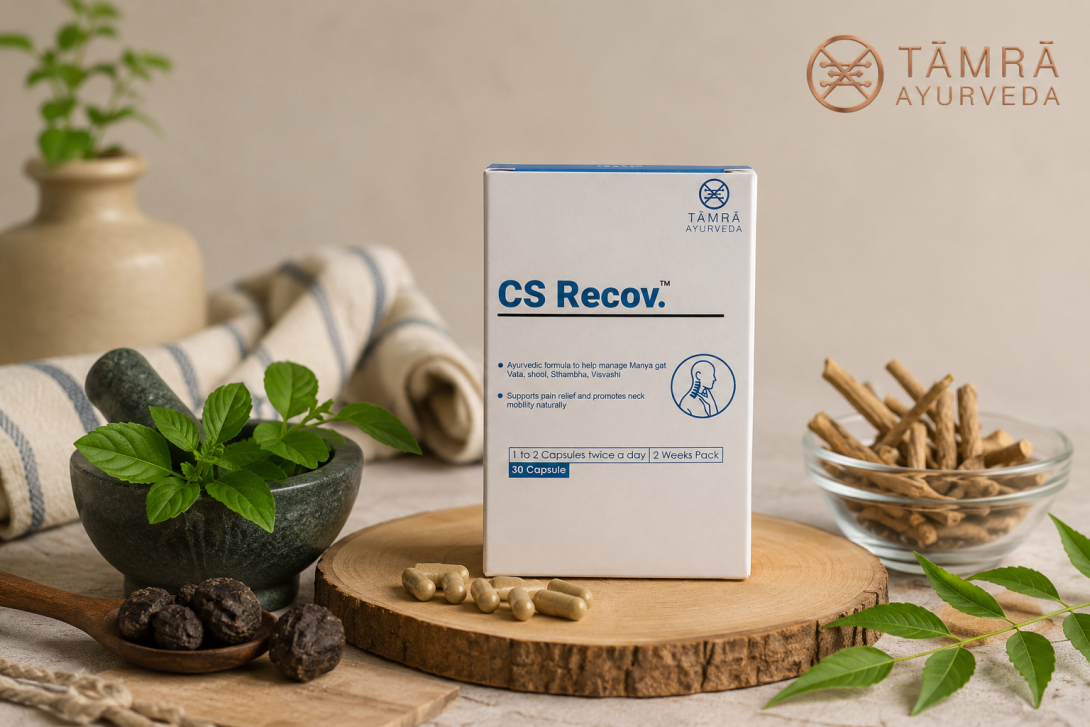
Cervical pain has become increasingly common in modern lifestyles due to long working hours, poor posture, lack of physical activity, and excessive screen time. Many individuals experience stiffness, discomfort, neck strain, and reduced mobility that can interfere with daily activities and overall quality of life.
As awareness about holistic wellness continues to grow, many people are exploring traditional healing systems such as Ayurveda for natural approaches to cervical wellness. Ayurveda, one of India’s oldest wellness traditions, focuses on balancing the body through herbs, therapies, lifestyle adjustments, and preventive care practices.
Today, interest in cervical pain ayurvedic medicine has increased among individuals looking for supportive wellness approaches that align with natural and long-term health management practices. Ayurvedic principles often focus on restoring balance, improving circulation, and supporting flexibility through herbal ingredients and lifestyle guidance.
Understanding Cervical Pain According to Ayurveda
In Ayurveda, cervical discomfort is often associated with imbalances related to the Vata dosha. Vata is believed to govern movement, flexibility, and nervous system functions within the body. When Vata becomes aggravated due to stress, improper posture, irregular routines, or aging, it may contribute to stiffness, dryness, and discomfort in the neck and shoulder region.
Ayurvedic wellness practices generally focus on reducing imbalance through:
- Herbal formulations
- Oil therapies
- Gentle physical movement
- Dietary balance
- Stress management practices
- Daily wellness routines
The Ayurvedic approach typically emphasizes long-term wellness support rather than temporary symptom-focused methods.
Common Causes of Cervical Pain
Several lifestyle and physical factors can contribute to cervical discomfort and neck stiffness.
Poor Posture
Sitting for extended periods while using computers or mobile devices may place excess strain on the neck and upper spine.
Sedentary Lifestyle
Lack of physical activity can reduce flexibility and muscle support around the cervical region.
Stress and Muscle Tension
Mental stress may contribute to tightness and stiffness in the shoulders and neck muscles.
Improper Sleeping Habits
Using unsupportive pillows or sleeping in awkward positions can affect cervical alignment.
Age-Related Wear and Tear
Natural aging processes may contribute to reduced flexibility and cervical discomfort over time.
Traditional Ayurvedic Healing Practices for Cervical Wellness
Ayurveda includes several traditional wellness methods that may support overall neck comfort and mobility when practiced appropriately.
Herbal Oils and Massage
Warm herbal oil applications are commonly used in Ayurvedic wellness traditions to support relaxation and flexibility. Gentle massage techniques may help improve circulation and reduce muscle tension.
Panchakarma Therapies
Certain Ayurvedic detoxification therapies are traditionally used to support body balance and wellness. These practices are typically performed under professional supervision.
Yoga and Stretching
Gentle yoga postures and stretching exercises may help improve posture, flexibility, and neck mobility.
Lifestyle and Routine Management
Ayurveda emphasizes maintaining balanced daily routines, proper sleep, hydration, and stress management for long-term wellness support.
Herbs Commonly Used in Ayurvedic Wellness for Cervical Support
Many Ayurvedic herbal ingredients have traditionally been associated with joint, muscle, and mobility support.
Ashwagandha
Ashwagandha is widely recognized in Ayurveda for its wellness-supporting and rejuvenating properties.
Shallaki
Shallaki is commonly used in traditional Ayurvedic formulations related to joint and mobility wellness.
Guggul
Guggul has long been included in Ayurvedic preparations designed to support flexibility and physical comfort.
Nirgundi
Nirgundi is traditionally used in herbal oils and wellness applications associated with muscular support.
These herbs are often included in formulations intended to complement healthy lifestyle practices.
Importance of Posture and Daily Habits
While herbal wellness practices are valuable, daily habits also play an important role in maintaining cervical health.
Maintain Proper Sitting Posture
Keeping screens at eye level and maintaining spinal alignment may reduce strain on the neck region.
Take Frequent Breaks
Individuals working long hours at desks should take regular movement breaks to reduce stiffness.
Practice Gentle Neck Exercises
Simple mobility exercises may help maintain flexibility and improve posture awareness.
Manage Stress Levels
Meditation, breathing exercises, and relaxation techniques can support overall physical wellness.
Growing Interest in Ayurvedic Wellness Products
As awareness around holistic wellness continues to grow, many consumers are researching traditional herbal formulations for mobility and cervical support. Products such as oils, powders, herbal blends, and wellness supplements are increasingly becoming part of modern Ayurvedic routines.
Some individuals specifically look for an ayurvedic capsule for cervical spondylosis as part of their broader wellness management approach. These formulations are generally designed using traditional herbs commonly associated with joint flexibility, mobility support, and musculoskeletal wellness in Ayurvedic practices.
However, consumers should always prioritize informed decision-making and seek professional guidance before using long-term wellness supplements or therapies.
Benefits of Ayurvedic Wellness Approaches for Cervical Care
Ayurvedic wellness practices continue to attract attention because they often focus on holistic and preventive health support.
Holistic Wellness Perspective
Ayurveda considers lifestyle, diet, emotional wellbeing, and body balance together rather than focusing on isolated symptoms.
Focus on Long-Term Balance
Traditional Ayurvedic methods often emphasize consistency, routine, and gradual improvement.
Natural Ingredient-Based Formulations
Many Ayurvedic products use herbal ingredients and plant-based preparations inspired by traditional wellness knowledge.
Supportive Lifestyle Integration
Ayurveda encourages healthy movement, balanced nutrition, and mindfulness practices alongside herbal support.
Common Mistakes to Avoid
Consumers interested in Ayurvedic wellness for cervical care should avoid certain common mistakes.
Ignoring Professional Advice
Persistent or severe cervical discomfort should always be evaluated by qualified healthcare professionals.
Relying Only on Supplements
Lifestyle correction, posture improvement, and exercise are equally important for cervical wellness.
Choosing Unverified Products
Consumers should carefully check ingredient transparency, manufacturing details, and product authenticity.
Neglecting Physical Activity
A sedentary routine may worsen stiffness and mobility concerns over time.
The Future of Ayurvedic Cervical Wellness
Modern lifestyles continue to contribute to posture-related discomfort and musculoskeletal strain, increasing interest in natural wellness approaches. Ayurveda remains relevant because it combines traditional herbal knowledge with lifestyle-focused wellness practices.
Digital awareness, online wellness education, and growing interest in preventive care have also contributed to the popularity of Ayurvedic wellness solutions across India. Consumers are increasingly researching ingredient quality, traditional formulations, and holistic care approaches before choosing wellness products.
Many wellness-focused brands, including Tamra Ayurveda, are part of this broader movement toward herbal wellness, traditional Ayurvedic practices, and natural health-supportive routines that align with modern lifestyle needs while maintaining connections to classical Ayurvedic principles.
Conclusion
Cervical discomfort has become a common concern in today’s fast-paced and technology-driven lifestyle. Ayurvedic wellness practices provide a holistic perspective that focuses on body balance, herbal support, posture awareness, and long-term lifestyle management.
While Ayurvedic approaches may support overall wellness and mobility when combined with healthy habits, informed decision-making remains essential. Individuals should prioritize proper posture, regular movement, stress management, and professional medical guidance whenever necessary.
As more people explore traditional wellness systems for preventive care and natural health support, Ayurveda continues to play an important role in promoting balanced and mindful living.
FAQs
1. What is cervical pain according to Ayurveda?
Ayurveda often associates cervical discomfort with Vata imbalance, which may affect flexibility, movement, and muscular wellness.
2. Which herbs are commonly used in Ayurvedic wellness for cervical support?
Herbs such as ashwagandha, shallaki, guggul, and nirgundi are commonly mentioned in traditional Ayurvedic wellness practices.
3. Can posture affect cervical pain?
Yes, poor posture, prolonged screen usage, and improper sitting habits may contribute to neck strain and cervical discomfort.
4. What lifestyle habits support cervical wellness?
Regular movement, stretching, stress management, proper sleep posture, and ergonomic sitting habits may support cervical wellness.
5. Are Ayurvedic wellness practices only focused on herbal products?
No, Ayurveda also emphasizes balanced routines, nutrition, yoga, relaxation, and preventive lifestyle practices.
6. Why are people exploring Ayurvedic wellness for cervical care?
Many individuals are interested in holistic wellness approaches that combine traditional herbal practices with long-term lifestyle management and preventive care.