

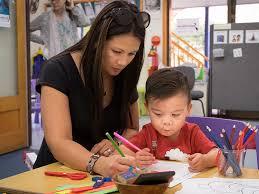
Autism therapy services play a vital role in helping children and adolescents build the skills they need to thrive at home, in school, and within the community. These services are designed to create structured, supportive environments where individuals on the autism spectrum can explore their strengths, work through challenges, and develop lifelong abilities. With thoughtful intervention and evidence-based approaches, therapy becomes a pathway toward improved communication, independence, and emotional well-being.
Understanding the Purpose of Autism Therapy
The main purpose of autism therapy is to support developmental progress in a way that respects each child’s unique needs. Autism affects individuals differently, and therapy acknowledges these differences by offering customized strategies rather than one-size-fits-all solutions.
Therapeutic goals may include improving communication skills, reducing challenging behaviors, enhancing attention, teaching self-care routines, or supporting social interactions. Skilled professionals often use structured methods to guide children step by step, helping them gain confidence as they learn new ways to navigate everyday situations.
Core Areas of Focus in Autism Therapy Services
1. Communication and Language Development
Many therapy programs focus heavily on building communication skills. This can include verbal language, alternative communication systems, or social communication strategies. The goal is to help children express their needs, engage with others, and understand social cues more effectively.
2. Behavioral Support
Therapy often includes behavior-shaping techniques that encourage positive actions and reduce behaviors that interfere with learning. This may involve teaching coping strategies, emotional regulation, and replacement behaviors that support smoother daily routines.
3. Social Skill Building
Developing social skills is essential for long-term growth. Therapy provides guided opportunities to practice sharing, turn-taking, collaborative play, and understanding the perspectives of others. Children learn how to connect, form relationships, and navigate social expectations.
4. Daily Living and Independence
Autism therapy services frequently address practical life skills. These may include dressing, eating, hygiene routines, or organizational skills. Each step toward independence empowers the child and encourages long-term confidence.
5. Academic and Cognitive Support
Therapists can help improve attention, problem-solving, memory, and school-readiness skills. By breaking tasks into manageable parts, children learn at a pace suited to their developmental stage.
The Importance of Personalized Support
Every child benefits from therapy that matches their strengths, preferences, and developmental goals. Personalized support ensures that learning happens in a meaningful and motivating way. Therapists often collaborate closely with families to understand routines, challenges, and priorities. This teamwork strengthens progress and allows skills learned in therapy to carry over into everyday life.
Parents and caregivers are active partners in the process. They may receive coaching, strategies, or tools to help reinforce learning outside of structured sessions. With consistent support at home and in the community, children experience more stable pathways toward progress.
Benefits of Early and Consistent Therapy
Starting therapy early can lead to significant growth, but individuals at any age can benefit from structured support. Early intervention helps shape communication, social development, and behavioral patterns during critical developmental periods. However, older children and teens also gain valuable tools that support emotional maturity, independence, and community involvement.
Consistent therapy builds a strong foundation for:
- Improved communication
- Greater emotional regulation
- Reduction in challenging behaviors
- Increased confidence
- Enhanced social participation
- Stronger academic readiness
- Better family understanding and support
Long-term consistency creates opportunities for children to learn, practice, and master essential life skills.
Creating a Supportive Environment for Growth
Therapy works best when children feel supported, understood, and safe. A nurturing environment—whether in the home, school, or therapy setting—helps children feel comfortable exploring new skills. Predictability, positive reinforcement, clear expectations, and patient guidance all play key roles in shaping successful learning experiences.
Families can support progress by maintaining routines, using visual supports, offering choices, celebrating small victories, and encouraging independence at each child’s pace. Collaborative communication between caregivers and therapists ensures that strategies remain aligned and effective.
The Role of Evidence-Based Practices
Autism therapy services often incorporate evidence-based approaches such as Applied Behavior Analysis (ABA), speech therapy, occupational therapy, and social-skills training. Each approach contributes to the child’s development in a unique way. Evidence-based practices ensure that strategies are grounded in research and have demonstrated positive outcomes across different age groups and needs.
Therapists typically monitor growth through assessments, progress tracking, and goal-setting. This data-informed approach ensures that interventions evolve as the child develops new strengths or faces new challenges.
Building Toward Lifelong Skills and Confidence
The ultimate aim of autism therapy services is to support children in gaining skills that prepare them for long-term success. Whether it involves developing communication abilities, handling social situations, or navigating daily tasks, therapy lays the groundwork for lifelong achievement.
Children build confidence as they overcome obstacles and recognize their accomplishments. Over time, these experiences help them approach new challenges with resilience and independence.
Conclusion
Autism therapy services provide meaningful, structured support that helps children learn, grow, and build essential life skills. Through personalized strategies, evidence-based methods, and strong collaboration between families and professionals, therapy becomes a powerful tool for shaping positive developmental outcomes.
With consistent guidance, patience, and encouragement, children on the autism spectrum can continue to progress, gain confidence, and move toward a fulfilling and independent future.