

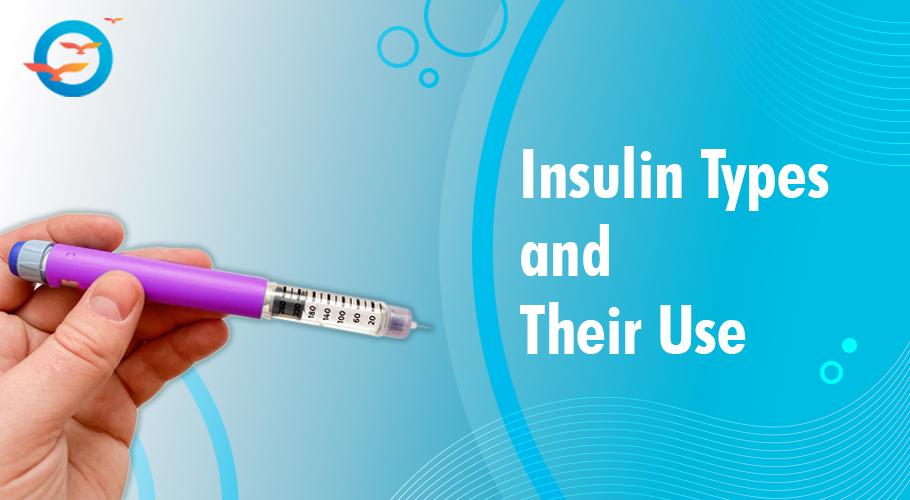
Insulin Types and Their Use: A Simple Guide for Better Diabetes Management
When someone is diagnosed with diabetes, one of the most common things they hear about is insulin. But many people don’t realize that there isn’t just one type of insulin—there are several, and each works differently in the body.
Understanding insulin types and their use can help you or your patients manage blood sugar more effectively and safely. Let me break it down in a simple, practical way so it’s easy to follow.
What Does Insulin Actually Do?
Insulin is a hormone made by the pancreas. It helps move glucose (sugar) from your bloodstream into your cells, where it is used for energy.
After you eat, your blood sugar rises. In response, your body releases insulin to bring those levels back to normal.
Inside the pancreas, special cells called beta cells produce insulin. They first create something called proinsulin, which later splits into insulin and C-peptide. Doctors often measure C-peptide to understand how much insulin your body is naturally producing.
Why Do Some People Need Insulin?
In Type 1 diabetes, the body produces little or no insulin. So, insulin injections become essential for survival.
In Type 2 diabetes, the body does produce insulin, but it doesn’t use it properly. This is called insulin resistance. Many people can manage or even reverse this condition with lifestyle changes like diet, exercise, and stress control. However, if blood sugar remains uncontrolled, insulin may still be required.
Why Are There Different Insulin Types?
Your body needs insulin at different times:
Throughout the day and night (baseline control)
Around meals (to handle sudden sugar spikes)
This is why different insulin types and their use are designed based on how fast they act and how long they last.
Key Characteristics of Insulin
Before understanding the types, it helps to know three important terms:
Onset – How quickly insulin starts working
Peak – When insulin is most effective
Duration – How long it continues to work
These factors decide which insulin is suitable for a specific situation.
Types of Insulin and How They Are Used
1. Quick-Acting Insulin
This insulin starts working very fast—usually within 15 minutes.
It is taken just before meals to manage the sudden rise in blood sugar after eating.
For example, if you’re about to eat a high-carb meal like rice or roti, this insulin helps control the spike.
Its effect lasts for about 2 to 4 hours.
2. Short-Acting (Regular) Insulin
Short-acting insulin takes a little longer to start working—around 30 minutes.
It reaches its peak after 2–3 hours and lasts up to 6 hours.
This type is often used before meals but requires better planning compared to quick-acting insulin.
3. Intermediate-Acting Insulin
This insulin takes 2 to 4 hours to start working.
It peaks later and can last up to 18 hours.
It is commonly used to maintain blood sugar levels between meals and overnight.
4. Long-Acting Insulin
Long-acting insulin provides steady control throughout the day.
It does not cause sharp peaks and can work for up to 24 hours.
This makes it useful for maintaining baseline insulin levels in the body.
5. Ultra Long-Acting Insulin
This type works even longer—more than 36 hours.
It has no clear peak and provides very stable blood sugar control.
It is often prescribed for people who need consistent, long-term glucose management.
6. Pre-Mixed Insulin
Pre-mixed insulin is a combination of short-acting and intermediate-acting insulin.
It is usually taken before meals.
This option is helpful for people who may find it difficult to mix insulin manually, such as elderly patients or those with vision or coordination issues.
Important Safety Tips While Using Insulin
No matter which type you are using, insulin is a powerful medication and must be handled carefully.
One of the biggest risks is hypoglycemia (low blood sugar). This can happen if:
You take too much insulin
You skip or delay meals
You miscalculate your dose
Symptoms may include sweating, dizziness, confusion, or even fainting.
For example, if someone takes insulin and then skips dinner, their blood sugar may drop dangerously low.
Daily Precautions You Should Follow
To stay safe while using insulin, keep these simple habits in mind:
Store insulin properly (avoid heat and freezing)
Use clean needles and dispose of them safely
Rotate injection sites to avoid skin issues
Monitor blood sugar regularly
Carry a diabetes ID card or medical alert
It’s also a good idea to keep a quick sugar source like glucose tablets or juice with you at all times.
In some cases, doctors may recommend carrying a glucagon kit for emergencies.
Can You Avoid Insulin?
In many cases—especially Type 2 diabetes—yes, it is possible.
With the right approach:
Balanced diet
Regular physical activity
Stress management
Proper medical guidance
Many people are able to reduce or even stop insulin over time.
However, this should always be done under expert supervision. Never stop insulin on your own.
Final Thoughts
Understanding insulin types and their use is an important step in managing diabetes confidently.
Each type of insulin plays a specific role, whether it’s controlling blood sugar after meals or maintaining stable levels throughout the day.
The key is not just taking insulin, but using it correctly—at the right time, in the right dose, and with the right lifestyle habits.
With awareness and consistency, insulin can become a helpful tool rather than something to fear.
Different insulin types help control blood sugar, but they don’t always address insulin resistance.
Discover how you can reverse diabetes naturally with the right lifestyle approach.
Read more: https://www.freedomfromdiabetes.org/blog/post/insulin-types-and-their-use/2822