
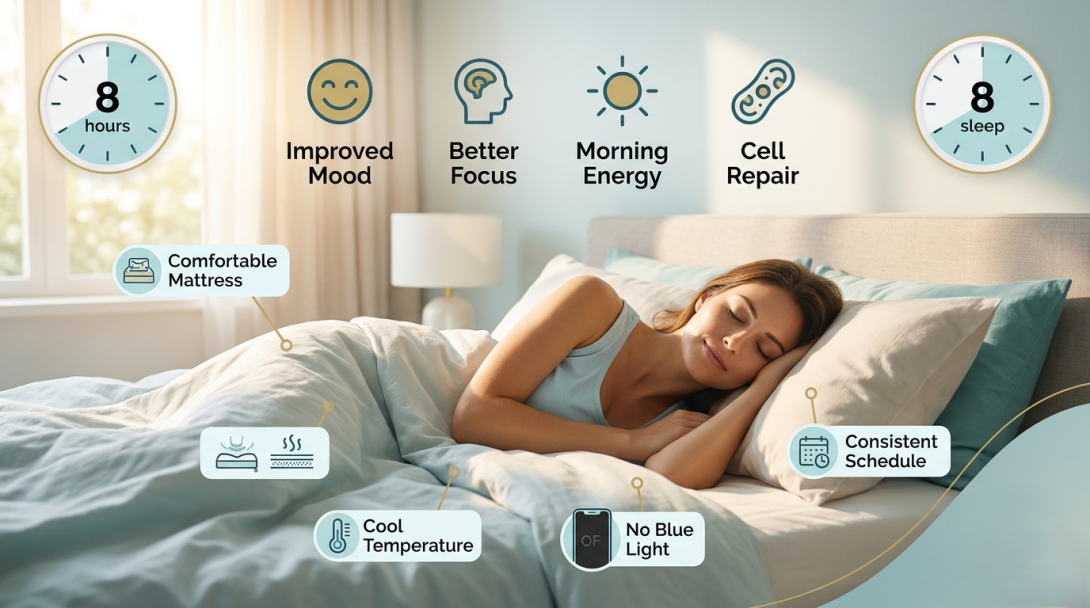
Sleep is one of the most important parts of maintaining a healthy lifestyle, yet it is often overlooked in our busy daily routines. Between work commitments, screen time, and personal responsibilities, many people sacrifice their sleeping hours without realizing how much it can affect their overall well-being.
Understanding the importance of sleep is essential for maintaining physical health, mental clarity, and emotional balance. Quality sleep allows the body to recover, supports brain function, and helps maintain daily energy levels.
Understanding the Benefits of Sleep
There are several important sleep benefits that contribute to a healthier lifestyle. During sleep, the body works to repair tissues, restore energy, and support essential biological functions.
Some key benefits include:
- Better Brain Function: Adequate sleep supports memory, concentration, learning, and decision-making.
- Improved Immunity: Quality rest helps maintain the body's natural immune functions.
- Physical Recovery: Sleep supports muscle recovery and tissue repair.
- Emotional Balance: Proper rest helps regulate mood and manage everyday stress.
- Increased Energy: Consistent sleep helps improve alertness and productivity throughout the day.
How Much Sleep Time Do You Need?
Getting the right amount of sleep is important for maintaining good health. Most adults need approximately seven to nine hours of sleep every night. However, individual sleep requirements can vary depending on age, lifestyle, and personal health.
Maintaining a consistent sleep schedule is just as important as the number of hours spent sleeping. Going to bed and waking up at similar times every day can help regulate the body's internal clock.
Tips for Better Sleep
Improving your sleeping habits does not require major lifestyle changes. Small adjustments to your daily routine can make a noticeable difference.
Here are some practical tips for better sleep:
- Follow a Consistent Schedule: Try to sleep and wake up at the same time every day.
- Reduce Screen Time: Avoid excessive mobile phone and television use before bedtime.
- Limit Caffeine: Reduce coffee and other caffeinated drinks, particularly in the evening.
- Create a Comfortable Environment: Keep your bedroom quiet, dark, and comfortable.
- Stay Physically Active: Regular physical activity can support healthy sleep patterns.
- Develop a Relaxing Routine: Reading, meditation, or gentle stretching can help you unwind before bed.
Why Sleep Hygiene Matters
Sleep hygiene refers to the daily habits and environmental conditions that support healthy sleep. Maintaining good sleep hygiene can improve sleep consistency and overall sleep quality.
Avoiding heavy meals close to bedtime, managing stress, limiting late-night screen exposure, and maintaining a comfortable sleeping environment are simple ways to develop better sleep hygiene.
It is also important to pay attention to how you feel after waking up. Feeling refreshed and energetic can be a useful indication that your sleep routine is working well.
Final Thoughts
Sleep should never be considered a luxury. It is an essential part of maintaining physical health, mental performance, and overall well-being. By understanding the benefits of sleep, maintaining an appropriate sleep time, and following simple sleep hygiene practices, you can build healthier habits.
For more insights into the importance of sleep and how it supports brain health, recovery, and everyday performance, explore this helpful resource: Importance of Sleep
Making better sleep a priority today can help you build a healthier and more productive tomorrow.