

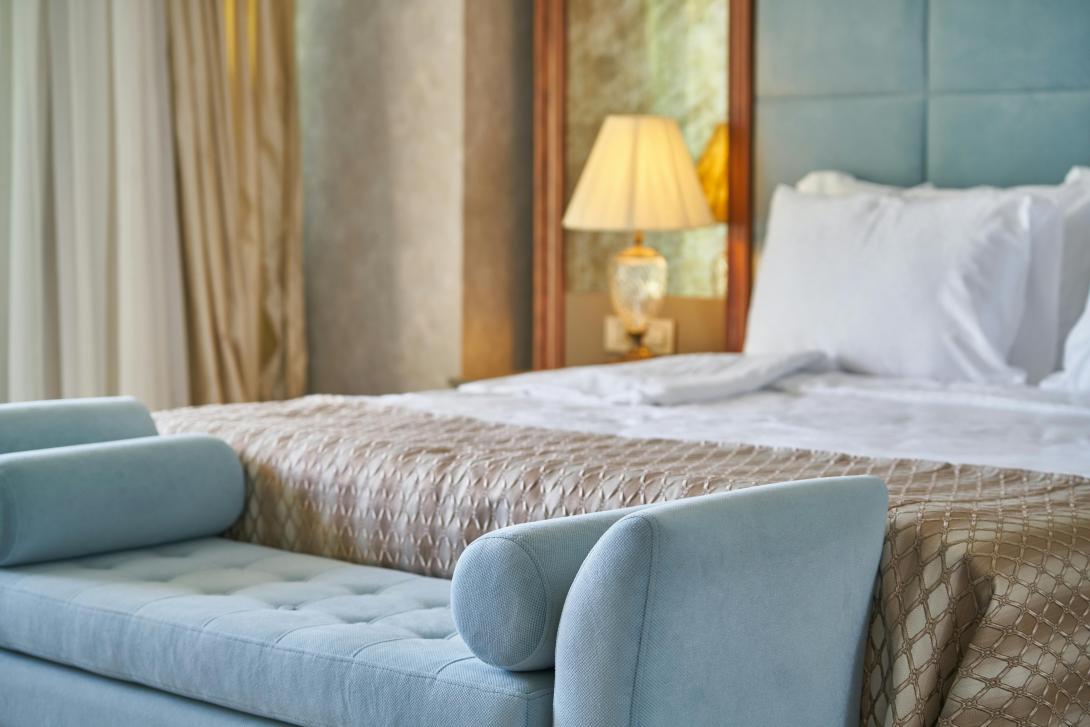
Upholstered furniture is often the heart of a home. From the cozy sofa where your family gathers for movie nights to the elegant armchair in your reading nook, these pieces bring comfort, style, and warmth to your living space. However, because upholstered pieces endure daily contact, spills, body oils, and friction, they are far more vulnerable to wear and tear than non-fabric furniture.
Proper upholstery maintenance does not just keep your sofa looking fresh for guests it fundamentally preserves the internal structure, cushions, and fabric fibers, significantly extending the lifespan of your investment.
1. The Hidden Threats to Your Upholstery
To protect your furniture, it helps to understand what causes it to degrade over time. Upholstery failure rarely happens overnight; it is usually the result of cumulative environmental exposure and everyday use.
- Embedded Dust and Grit: Household dust is composed of tiny, microscopic abrasive particles. When sit on an uncleaned sofa, body weight forces dust deep into the fabric weave. Over time, these sharp micro-particles act like sandpaper, cutting through individual fibers whenever friction is applied.
- Accumulated Body Oils and Sweat: Direct skin contact transfers natural oils, sweat, and hair products directly into fabric fibers. Over time, these organic materials oxidize, leading to fabric discoloration, unpleasant odors, and stiffening of natural threads.
- Sunlight and UV Degradation: Fading is only the surface effect of sunlight exposure. Ultraviolet (UV) rays break down synthetic and natural polymer bonds, causing fabrics to turn brittle and tear under light tension.
- Spills and Untreated Stains: Liquid spills that seep through top fabrics saturate inner foam cores and batting. Left untreated, trapped moisture creates ideal conditions for mildew growth, cushion breakdown, and fiber staining.
2. Daily and Weekly Upholstery Care Routines
Establishing a consistent, low-effort maintenance routine stops damage before it starts. Simple habits applied regularly make a substantial difference over the life of a couch or chair.
Vacuuming the Right Way
Never wait for visible crumbs to pull out the vacuum. Vacuum your upholstered furniture every 1 to 2 weeks using an upholstery attachment nozzle with soft bristles.
- Crevice Tool: Work into tight corners, under seat cushions, and along seam borders where abrasive grit accumulates.
- Gentle Suction: Adjust your vacuum’s suction control to medium to avoid stretching delicate fabric weaves or pulling loose threads.
Rotating and Fluffing Cushions
Cushions undergo localized compression every time someone sits down. If family members always favor the same spot on a sectional, that specific cushion will break down years faster than the rest.
- Flip reversible cushions weekly so both sides wear evenly.
- Rotate cushions from high-use areas (like middle seats) to less-frequented outer edges.
- Fluff feather- or foam-filled back cushions regularly to redistribute internal fill and restore shape.
3. Immediate Action: Handling Spills and Stains
Accidents happen, but your reaction speed and technique determine whether a spill becomes a permanent stain or a minor inconvenience.
Action
Recommended Technique
Why It Matters
Blot, Never Rub
Press a clean white microfiber cloth gently onto the spill.
Rubbing spreads the liquid outward and grinds pigment deep into inner fibers.
Work Outside-In
Dab from the outer perimeter of the spill toward the center.
Keeps the liquid from expanding into surrounding clean fabric.
Check Cleaning Codes
Consult the manufacturer label (W, S, WS, or X) before applying fluids.
Using water on a dry-clean-only fabric can cause permanent water rings.
Understanding Upholstery Cleaning Codes
Always verify your furniture’s cleaning tag before spot-treating:
- W: Water-based cleaners are safe to use.
- S: Solvents or dry-cleaning chemicals only; do not use water.
- WS: Water-based or solvent-based cleaners are both acceptable.
- X: Vacuum or light brushing only; no liquid cleaners of any kind.
4. When DIY Isn't Enough: Professional Maintenance & Repair
While regular vacuuming and fast spot-cleaning handle surface dirt, professional intervention is vital for structural longevity and deep restorative care.
Over years of use, foam padding loses density, springs sag, seams pop, and fabric develops thin spots or tears. Rather than replacing an otherwise solid, well-built frame, opting for professional restoration can double or triple the lifespan of your piece at a fraction of the replacement cost.
For homeowners in Central Texas looking to restore sagging cushions, mend torn seams, or completely recover vintage pieces, consulting a skilled upholstery repair service in Austin ensures your furniture receives commercial-grade deep extraction, precision stitching, and high-density foam replacement.
Signs Your Furniture Needs Professional Repair
- Sagging Seat Cushions: Indicates collapsed polyurethane foam or broken zigzag springs beneath the deck.
- Fraying or Split Seams: Weakened threads along stress seams require professional re-stitching before the fabric pulls apart completely.
- Persistent Odors: Indicates deep-seated moisture or bacteria trapped within internal foam layers that home vacuums cannot reach.
- Structural Frame Wobble: Loose joints inside the internal hardwood frame need professional structural re-gluing and reinforcement.
5. Protective Measures to Prevent Wear
Taking proactive steps reduces the frequency of heavy repairs and preserves fabric integrity for the long haul.
- Apply Fabric Protectors: Post-cleaning fluoropolymer or silicone-based fabric protector sprays coat individual fibers, creating a temporary barrier that repels water- and oil-based liquids.
- Control Indoor Humidity and UV Exposure: Keep indoor humidity between 30% and 50% to prevent foam degradation. Use sheer curtains, UV-blocking window film, or position valuable pieces away from direct window sunlight.
- Use Machine-Washable Arm Covers or Throws: Place decorative throws over high-contact areas, like headrests and armrests, to catch hair oils and pet dander.
6. The Long-Term Return on Upholstery Maintenance
Properly caring for your upholstered furniture is both a aesthetic decision and a sound financial strategy. Quality furniture frames made from kiln-dried hardwood can easily last 20 to 30 years or more, provided the upholstery layer resting over them is properly maintained.
By combining regular weekly vacuuming, immediate spill intervention, and periodic professional repair when wear begins to show, you protect your home's aesthetic appeal, reduce furniture waste in landfills, and maximize the value of your interior investment.