

The Silent Crisis of Medical Surplus
The modern healthcare system is a marvel of precision and preparedness, yet it harbors a quiet, unintended consequence: a staggering mountain of waste. In hospital supply rooms and home medicine cabinets alike, millions of dollars worth of perfectly viable medical supplies sit idle, often destined for the incinerator or the landfill simply because they reached an arbitrary expiration date or were over-ordered. This "linear" model of consumption—take, make, and dispose—is increasingly at odds with a world waking up to the realities of environmental degradation.
As we move through 2026, a transformative shift toward eco-conscious healthcare is gaining momentum. This movement isn't just about switching to LED bulbs in clinics; it is a fundamental reimagining of how we handle the lifecycle of medical tools and consumables. By viewing unused supplies not as "trash in waiting" but as valuable assets, the industry is pioneering a circular economy that prioritizes both planetary health and patient access.
From Landfills to Lifelines: The Power of Redistribution
The environmental footprint of healthcare is immense. If the global healthcare sector were a country, it would be the fifth-largest emitter of greenhouse gases on the planet. A significant portion of this impact stems from the manufacturing and disposal of single-use medical devices. When these items are discarded unused, the carbon spent on their production, sterilization, and transport is effectively doubled as they are then processed as medical waste.
Eco-conscious redistribution networks are bridging the gap between surplus and scarcity. Sophisticated logistics platforms now allow hospitals to "donate back" unopened, unexpired supplies—ranging from surgical gloves and drapes to complex diagnostic kits—to underserved regions or community clinics. This shift turns a potential environmental hazard into a life-saving resource, ensuring that the energy and materials invested in these products serve their intended purpose: healing.
The Rise of Sustainable Buy-Back Initiatives
One of the most innovative frontiers in this transformation is the growth of consumer-facing recovery programs. In the past, individuals who found themselves with surplus supplies—perhaps due to a change in treatment or a resolved condition—had few options other than disposal. Today, structured programs are making it possible for these supplies to enter a verified secondary market.
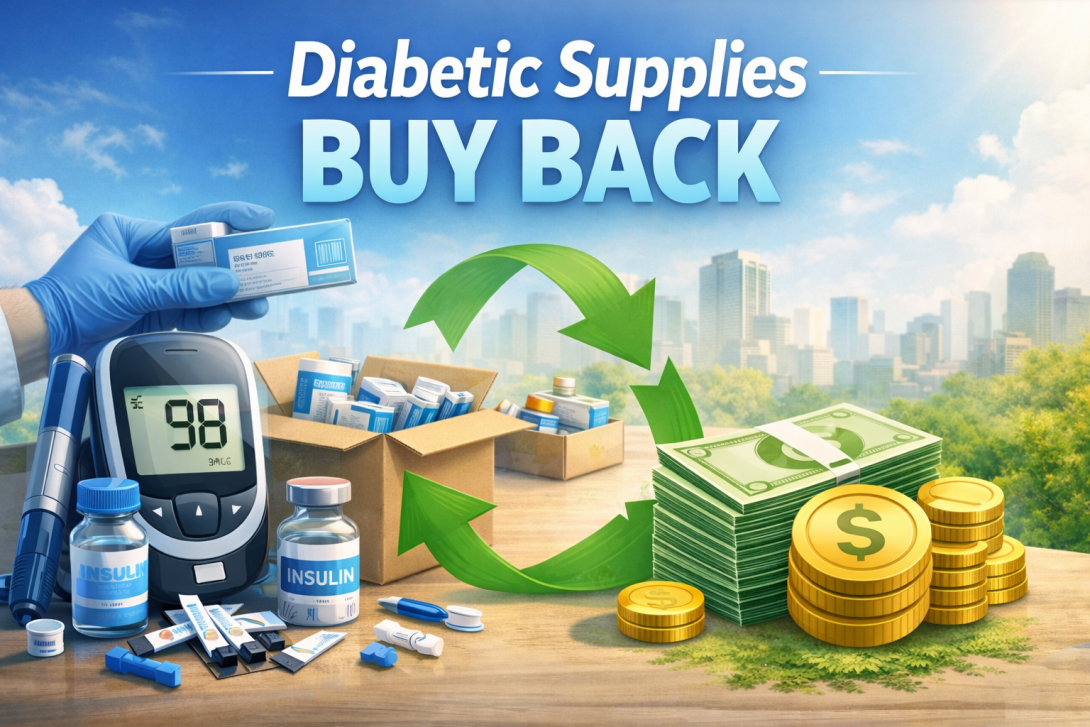
For instance, specialized platforms have emerged to handle high-demand items like diabetes management tools. These programs, often referred to under the umbrella of diabetic supplies buy back, provide a secure, regulated channel for individuals to redirect unopened testing strips and sensors to those who might otherwise struggle to afford them. By incentivizing the return of these supplies, these initiatives prevent chemical waste from entering local ecosystems and significantly lower the financial barriers to chronic disease management. This model creates a "triple win": the environment is protected, the original owner recoup some costs, and the recipient gains access to essential care.
Redefining "Single-Use" Through Advanced Reprocessing
The transformation of unused supplies is also happening at the industrial level through "remanufacturing." In 2026, the distinction between single-use and reusable is blurring. High-tech facilities now specialize in the intensive sterilization and recalibration of medical devices that were once considered disposable after one encounter.
By reprocessing these items, healthcare systems can reduce their waste output by up to 90% in some departments. This isn't merely about cleaning; it involves rigorous testing to ensure the device meets or exceeds its original performance specifications. This circular approach keeps high-quality materials in circulation longer, reducing the demand for raw material extraction and the energy-intensive manufacturing of new plastic components.
A Healthier Future for People and the Planet
The evolution toward eco-conscious healthcare is a testament to the fact that human wellness and environmental stability are inextricably linked. By embracing sustainable redistribution, buy-back programs, and the circular economy, the medical industry is moving away from the "throwaway" culture of the past.
The future of healthcare is one where every gauze pad, every vial, and every sensor is treated as a precious resource. As these green practices become the standard, the legacy of modern medicine will not be defined by the waste it leaves behind, but by the efficiency and compassion with which it manages its resources. Through these collective efforts, we are ensuring that the pursuit of health today does not compromise the health of the world tomorrow.