

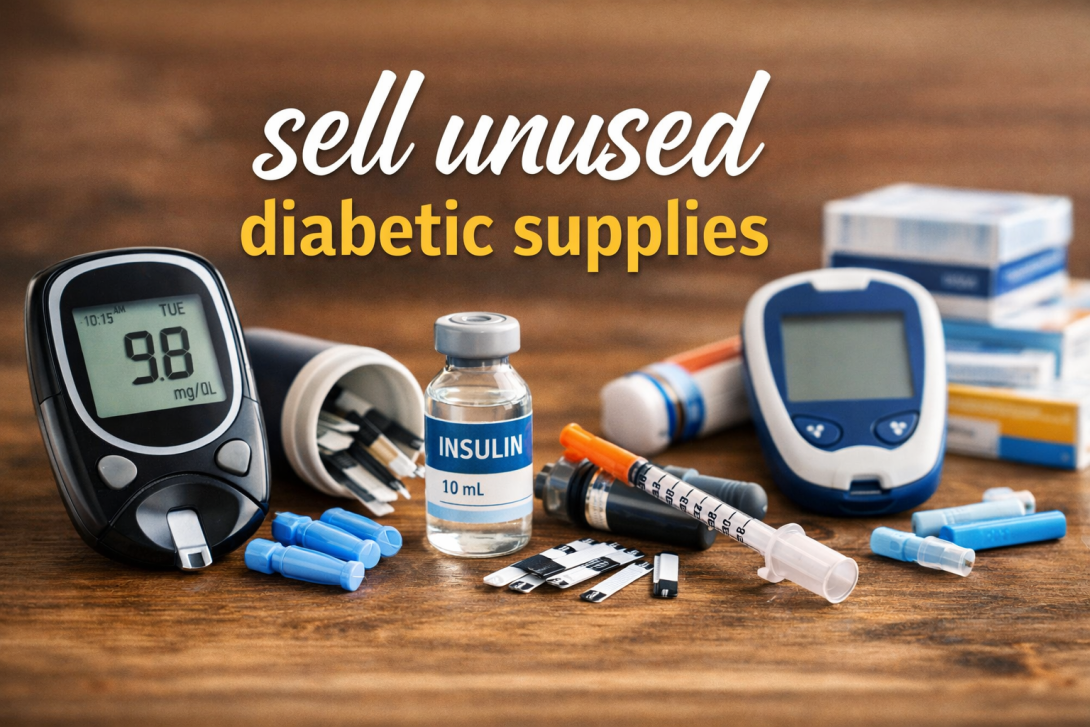
The Box in the Closet: What Happens to Unused Diabetic Supplies?
The cardboard box had been sitting on the same shelf for nearly eight months. Inside, perfectly sealed packages of test strips, still in their factory wrapping, alongside unopened boxes of lancets and a backup glucose meter that had never even been removed from its plastic casing. Life had changed. Treatment plans had shifted. What was once essential medical equipment had become nothing more than clutter collecting dust.
This scene plays out in countless homes across the country. Diabetes management is often a journey of adjustments. Doctors change prescriptions, patients switch to continuous glucose monitors, or perhaps a loved one who needed these supplies is no longer managing their condition the same way. Whatever the reason, the result is the same: perfectly good, unexpired medical supplies sitting unused.
The question that naturally arises is what to do with these items. Throwing them away feels wasteful, both financially and environmentally. Yet letting them sit serves no purpose. This is where understanding the secondary market becomes genuinely useful knowledge for anyone facing this situation.
The First Thing Buyers Notice
When individuals or small suppliers look to purchase these materials, their eyes go immediately to one thing: expiration dates. Nothing else matters quite as much. A box could be pristine, sealed, and factory fresh, but if the date on the side is approaching or has passed, interest drops significantly.
Buyers are not simply being picky about this. The chemistry involved in test strips is sensitive. The enzymes that react with blood glucose break down over time, even when stored properly. Using expired strips can lead to readings that are off by enough margin to cause real problems for someone managing their blood sugar. For this reason, the remaining shelf life directly determines whether someone will even consider making an offer.
Beyond the dates, buyers look at the packaging itself. They want to see boxes that have not been crushed, torn, or exposed to moisture. The inner foil wrappers of test strips must remain intact. If the factory seal on a box of lancets is broken, the sterility is compromised. Buyers are looking for supplies that could have just come from a pharmacy shelf, because that is what their own customers expect to receive.
Why The Brand Matters More Than You Think
Not all diabetic supplies are viewed the same way. The brand name on the box carries significant weight. Popular, nationally recognized brands are what buyers hope to find. These are the names that patients trust and the ones that doctors typically prescribe.
Lesser-known brands or generic store labels can be harder to move. This is not a judgment on whether those products work. It is simply a reality of the market. People using these supplies often stick with what they know, and buyers need to purchase inventory that they can reliably sell to their own customers. When someone decides to sell unused diabetic supplies, they will have an easier time if the boxes feature brands that are widely advertised and commonly found in major pharmacies.
The specific type of supply also plays a role. Test strips are the most commonly sought item because they are the most frequently used consumable. Lancets are also in demand, though they tend to be less expensive. Meters themselves are harder to sell unless they are current models, as many people receive them free from doctors or pharmacies when they start treatment.
The Reality of Quantities and Assortment
Another factor that immediately catches a buyer's attention is the quantity available. A single box of test strips might be something an individual could sell locally, but larger buyers typically look for multiple boxes. They have shipping costs, handling time, and business overhead to consider. It is often more practical for them to purchase a meaningful lot from one person than to piece together single boxes from dozens of different sources.
That said, buyers also appreciate consistency. Having multiple boxes of the exact same brand and type is ideal. It makes inventory management simpler and ensures they can offer a consistent product to their customers. A mix of different brands, different types of lancets, and odd quantities can be less appealing because it creates work to sort and list each item separately.
Storage Conditions Tell a Story
Experienced buyers know that how supplies were stored is almost as important as the expiration date. They cannot see into a closet or kitchen drawer, but they will ask questions. Supplies that were kept in a bathroom medicine cabinet, where humidity and temperature fluctuate with every hot shower, are less desirable. Heat and moisture are enemies of test strips.
The ideal storage is a cool, dry place away from direct sunlight. Buyers appreciate when someone can honestly say the boxes have been kept in a bedroom closet or a similar environment. This small detail can make the difference in whether a buyer feels confident about the quality of the materials.
Understanding the Transaction
For someone clearing out a closet, the process is usually straightforward. They gather the items, check dates, and look for signs of damage. From there, reaching out to potential buyers involves listing the brands, quantities, and expiration months clearly. Transparency saves time for everyone involved.
The pricing is rarely what people initially expect. These are not retail sales. The buyer is taking on the risk, handling the marketing, and dealing with the logistics of getting the items to someone who needs them. Because of this, the offers are typically lower than what was originally paid at the pharmacy. This is simply the nature of a secondary market. The value is in reclaiming some money from items that would otherwise be worthless, while also clearing out space.
The Bigger Picture
What eventually happens to these supplies is worth considering. They do not disappear into a warehouse to sit forever. They go to people who need them. Some buyers supply individuals who have high-deductible insurance plans and are looking for ways to manage their costs. Others might provide for people whose insurance limits how many strips they can get each month, even when their doctor recommends more frequent testing.
There is also a practical environmental aspect. Medical waste is a genuine concern. Manufacturing these products uses resources, packaging, and energy. When perfectly good supplies are thrown away, all of that is lost. By finding a new home for them, the original purpose of those products is fulfilled, even if the path took an unexpected turn.
The box in the closet represents more than just unused items. It represents a change in circumstances, an adjustment in treatment, or a transition in life. Recognizing that these supplies still have value and utility somewhere else turns a moment of cleaning into a small connection with someone else's ongoing health journey. The expiration date, the brand name, and the storage history all come together to tell a story. And for the right buyer, that story is worth continuing.