
Introduction
Have you ever found yourself browsing through clothing racks, your fingers instinctively flipping over those small cards dangling from each item to check the price or brand? Those little attachments are hang tags, and they play a surprisingly significant role in retail merchandising and brand communication. Whether you're a business owner looking to enhance your product presentation or simply curious about what a hang tag is and why it matters, this guide will walk you through everything you need to know about these small but mighty marketing tools.
What Is a Hang Tag?
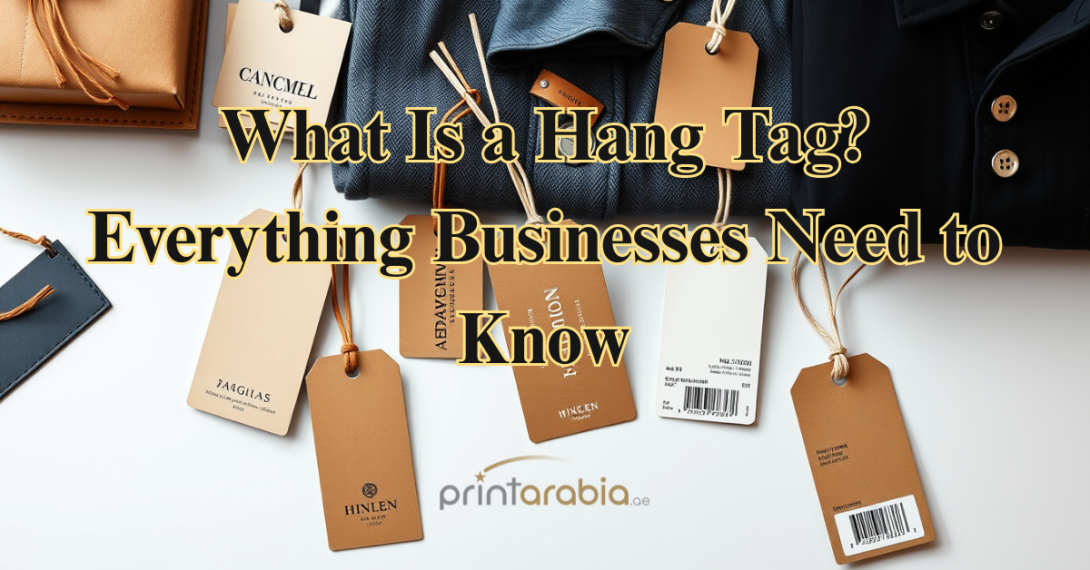
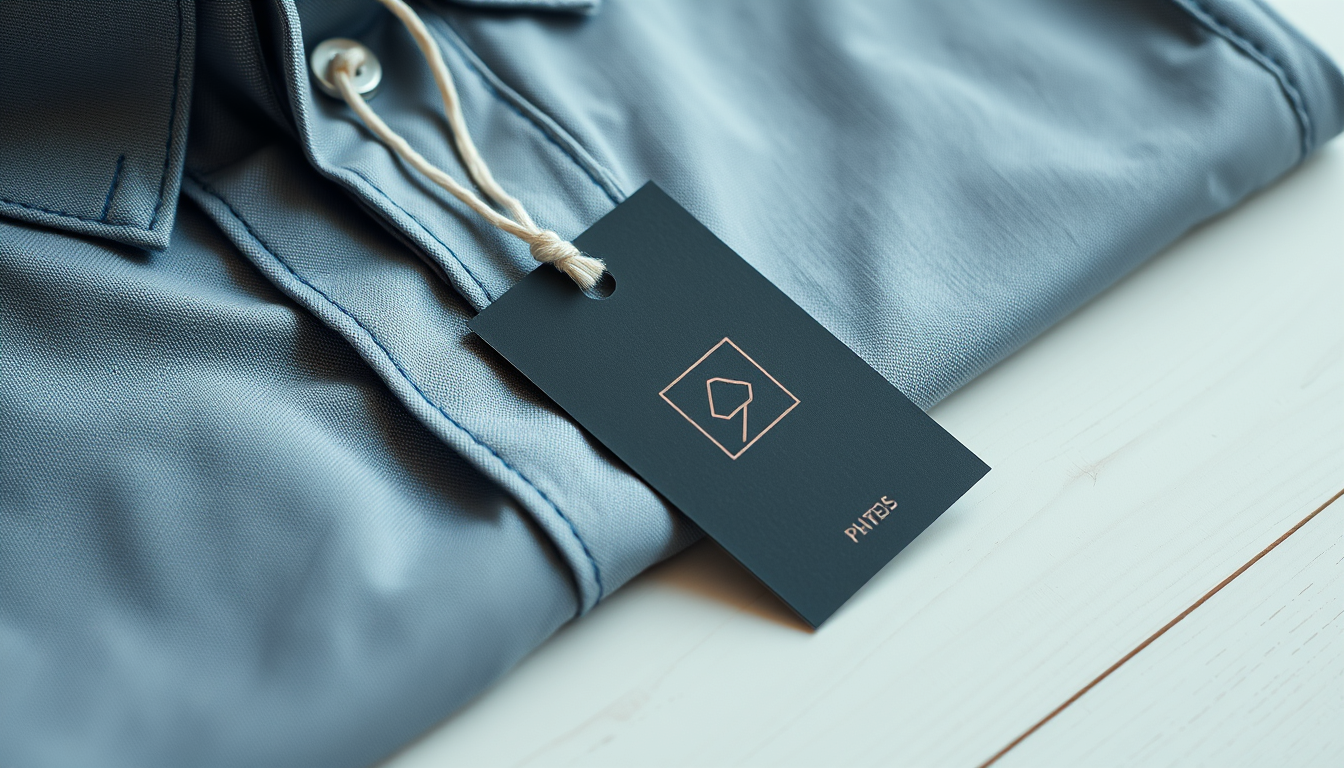
A hang tag is a small card or label attached to a product (most commonly clothing and accessories) by string, plastic fasteners, or ribbons. Unlike sewn-in labels that remain part of the product, hang tags are designed to be removable after purchase. These tags serve multiple functions beyond just displaying prices, they communicate brand identity, provide product information, and enhance the overall presentation of merchandise.
You might wonder, what are the hanging tags on clothes called in industry terminology? While "hang tags" is the most common term, they're also referred to as swing tags, product tags, retail tags, or merchandise tags depending on the region or specific retail sector. Regardless of the name, these small pieces of branded material represent a critical touchpoint between your products and potential customers.
Why Do Businesses Use Hang Tags?
Many consumers might wonder: why do you get hang tags on products when information could simply be printed on packaging or garment labels? The answer lies in their versatility and marketing potential:
- Brand Reinforcement: Hang tags provide additional space to showcase logos, taglines, and brand stories that might not fit elsewhere.
- Product Information: They communicate essential details like materials, sizing, features, and care instructions in an easily accessible format.
- Price Display: The most basic function is to allow retailers to clearly show prices that can be easily updated without altering the product.
- Authentication: For luxury goods, specially designed hang tags with security features can verify authenticity and deter counterfeiters.
- Customer Engagement: Modern hang tags often include QR codes linking to websites, assembly instructions, warranties, or social media profiles.
- Marketing Extensions: They can contain promotional offers, discount codes for future purchases, or invitations to join loyalty programs.
Beyond these practical functions, hang tags create an important tactile experience. The physical interaction with your brand before purchase can significantly influence consumer perceptions of quality and value.
Types of Hang Tags: Materials and Designs
The effectiveness of a hang tag starts with thoughtful material selection and design considerations:
Materials:
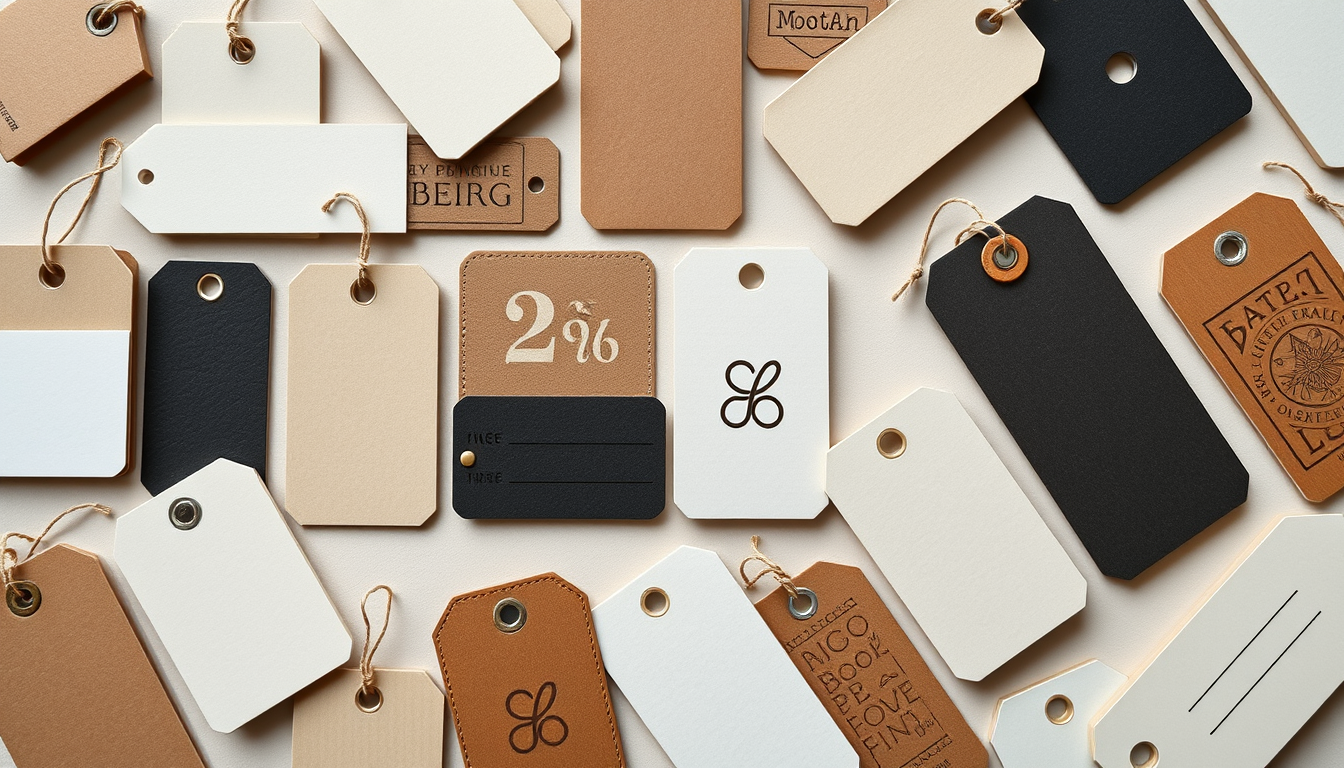
- Coated Card Stock: Provides a premium look with excellent color reproduction
- Kraft Paper: Offers a natural, eco-friendly aesthetic
- Recycled Materials: Appeals to environmentally conscious consumers
- Plastic or Synthetic Materials: Provides durability for outdoor products or moisture resistance
- Specialty Papers: Textured, metallic, or other distinctive papers for luxury products
Design Elements:
- Custom Shapes: Die-cut designs that reflect product themes or brand symbols
- Finishing Techniques: Embossing, foil stamping, spot UV coating, or matte/gloss combinations
- Multi-Panel Designs: Folded tags that reveal additional information or storytelling
- Attachment Methods: Colored strings, ribbons, or branded fasteners that complement the overall design
The rise in sustainability concerns has also led to innovations in eco-friendly hang tag options—from biodegradable materials to tags embedded with seeds that customers can plant after purchase, turning a potential waste item into a brand-building experience.
The Branding Power of Custom Hang Tags
Luxury brands have long understood that a well-designed hang tag extends the shopping experience beyond the cash register. When customers bring home products with distinctive hang tags, they're carrying a piece of your brand story with them.
Even smaller businesses and startups can leverage this often-overlooked branding opportunity:
- Brand Storytelling: Use hang tags to share your origin story, sustainability commitments, or product inspiration
- Cross-Promotion: Feature complementary products or services from your line
- Social Connection: Encourage social media sharing with branded hashtags or incentives
- Educational Content: Provide usage tips or creative ideas for the product
E-commerce brands face unique challenges in creating memorable unboxing experiences. Custom hang tags can bridge the gap between digital shopping and physical product interaction, creating a moment of delight when customers finally hold your product. This connection explains why packaging matters for retail and brand experience in today's competitive marketplace.
The most effective hang tags align perfectly with other brand elements, demonstrating attention to detail that consumers associate with quality. This is just one of many creative ways businesses are using print beyond the basics to stand out in crowded markets.
Conclusion
Hang tags may be small in size, but they represent a significant opportunity to reinforce your brand identity, communicate product value, and enhance customer experience. Far more than just price indicators, these versatile marketing tools continue to evolve alongside changing retail landscapes and consumer expectations.
Whether you're launching a new product line or refreshing your existing brand presentation, investing in thoughtfully designed hang tags offers returns that extend well beyond their modest cost.
Make a lasting impression with custom hang tags that do more than list prices. PrintArabia's premium Hang Tags combine creativity and function to help your products stand out in any retail space. Browse our options to start building your brand today.