

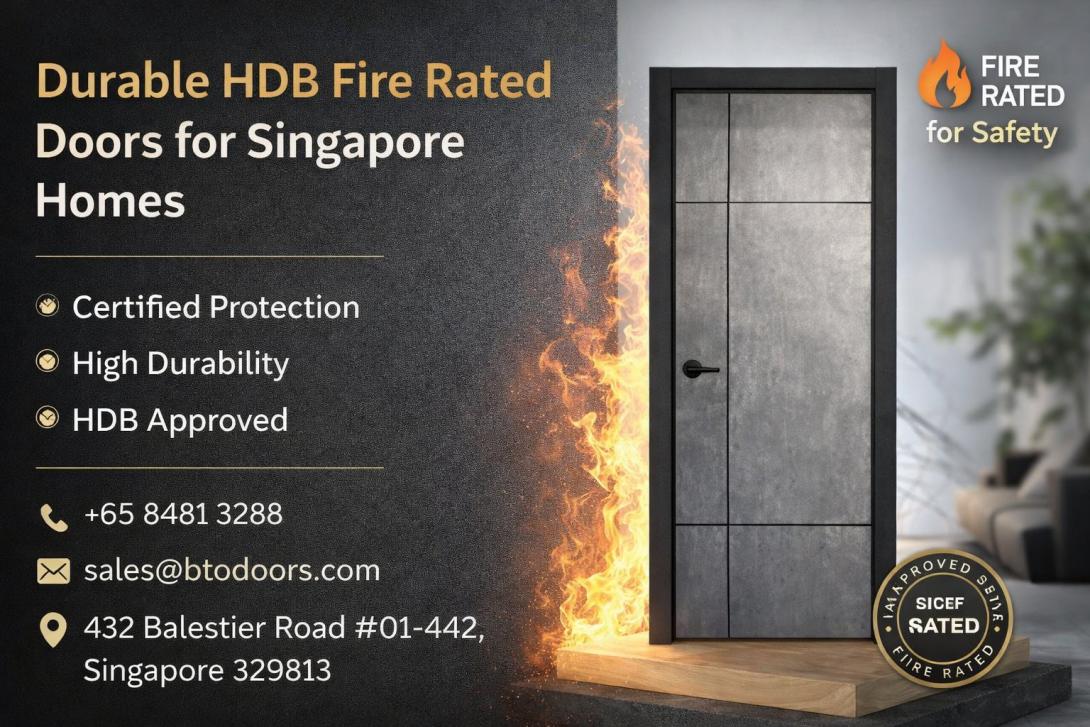
A blaze spreads faster than you imagine. Thick black smoke fills a room within seconds. A fire resistant door stands between you and that horror. Unlike hollow wooden doors, this specialised barrier swallows heat and blocks toxic gases. Manufacturers craft it from steel, gypsum, or timber cores. These materials resist flames for up to 120 minutes. The door seals shut under rising temperatures. You will find these doors in offices, flats, and public buildings. A fire resistant door does not ask for recognition. It simply works. When a fire erupts, this door buys you precious minutes to escape. It slows destruction without any human help. That quiet reliability saves lives every single day.
How a Fire-Rated Door Slows Down Destruction
A Fire Rated Door does not simply stand there. At the same time, it fights back. Therefore, the door expands when temperatures climb. While intumescent strips along the edges swell. Also, they fill every gap. This action chokes off oxygen and smoke.
- Core materials absorb intense heat.
- Seals block toxic gases.
- Hinges hold firm under pressure.
What Parts Make a Fire-Proof Door Work
A fire proof door relies on clever engineering. While every component plays a role. At the same time, the frame matches the door’s strength. Therefore, glazing uses special wire mesh glass. Therefore, it handles and locks resist melting. Even the letterbox has a fire barrier.
- The frame prevents collapse.
- Glazing keeps vision clear.
- Hardware stays functional.
Common Locations for Fire-Rated Doors
Buildings need these fire rated door at specific points. At the same time, architects plot them on escape plans. While a building inspector verifies each placement. Therefore, wrong locations waste the protection.
- Flats and apartments: Separate each home from the hallway.
- Office buildings: Block stairwells and lift lobbies.
- Hotels: Guard corridor exits and service rooms.
- Schools: Protect boiler rooms and kitchen areas.
- Hospitals: Isolate storage rooms and plant areas.
Fire Doors in Residential Homes
Homeowners often overlook fire safety. At the same time, a garage fire can tear through a wooden door in minutes. While a fire door between your garage and living space. Therefore, place one near a home office or a utility room. Also, the stairs leading to a loft conversion need one. While these small changes save families.
Fire Doors in Commercial Buildings
Factories and warehouses hold high fire loads. Paper, chemicals, and fabrics burn fast. At the same time, a fire door creates a safe bubble. Therefore, workers escape through protected corridors. While firefighters arrive without facing a raging inferno. At the same time, the building owner avoids total loss.
Different Ratings for Different Risks
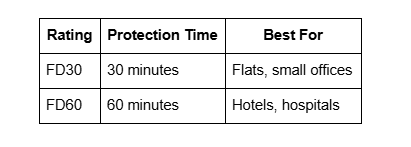
Doors carry a time rating. At the same time, the number tells you how long the door resists fire. While a higher rating means more protection. Choose the rating based on building use.
What an FD30 Fire Door Offers
An FD30 door gives you half an hour. Also, this suits most homes and small businesses. At the same time, these door stops a fire from leaving one room. While occupants gather their senses and exit. Therefore, fire crews arrive during this window. Also, the building suffers limited damage.
What an FD60 Fire Door Provides
An FD60 door holds back fire for one hour. Therefore, you need this in larger buildings. At the same time, the people travel farther to reach an exit. So, the extra time allows a full evacuation. Hospitals and care homes rely on FD60 doors. Therefore, vulnerable individuals move at slower speeds.
Maintenance Checks for Long Life
A fire proof door needs regular care. Dust and damage lower its performance. Simple checks take ten minutes. Schedule them every six months.
- Close test: Shut the door from a 75mm opening. It should latch by itself.
- Seal inspection: Look for cracks or peeling on intumescent strips.
- Hinge check: Tighten any loose screws. Grease the pivot points.
- Gap measurement: Slide a 4mm drill bit between the door and the frame. It should fit snugly.
How to Spot a Damaged Seal
Seals turn brittle with age. They crumble when you touch them. Replace any seal that flakes. New seals stick onto the groove. Buy the correct width for your door. A broken seal offers zero protection. Smoke drifts through the gap.
Legal Rules Around Fire Doors
UK building regulations demand fire rated doors in certain buildings. The Fire Safety Order 2005 applies to all non-domestic properties. Landlords must fit fire doors in flats above the ground floor. Hotels need them in every corridor. Enforcement officers issue fines for missing doors.
- Residential blocks: Every flat entrance needs an FD30 door.
- Houses of multiple occupation: Bedroom doors must resist fire.
- Public venues: Escape routes require FD60 doors.
- Care homes: All bedroom and lounge doors need protection.
Final Thoughts
You now understand how a fire resistant door protects people and property. The science behind it is simple but powerful. Heat activates seals. The core chars. Gaps disappear. However, a poorly maintained door fails when you need it most. A fire resistant door demands respect through regular checks. Test the closure every six months. Inspect each seal. Replace any damaged hinge. Never prop the door open with a wedge. That small action ruins years of protection. Remember, a fire resistant door works silently until the moment of crisis. Treat it as a living part of your building. Give it care. It will return the favour with your safety. Do not wait for a fire to test your door. Act today.
FAQs
1. Can I paint over my existing door without ruining its protection?
Yes, but grab only fire-rated paint. Standard paint layers pile up and jam the door's closing. Strip off old paint before you roll on a new coating.
2. How often should a professional examine my door?
Book a professional inspection once every twelve months. They wield special tools to measure gaps and sniff out damaged seals. This catches hidden trouble before it grows.
3. What happens if I fit the wrong hinges?
Wrong hinges wilt under intense heat. The door then tumbles off its frame. This carves a wide path for flames. Always match hinges to the door's weight and rating.
4. Does smoke still leak through a closed door?
A correctly fitted door swallows most smoke. However, tiny gaps around edges may spit small amounts through. Intumescent seals swell under heat and plug these leftover gaps.