

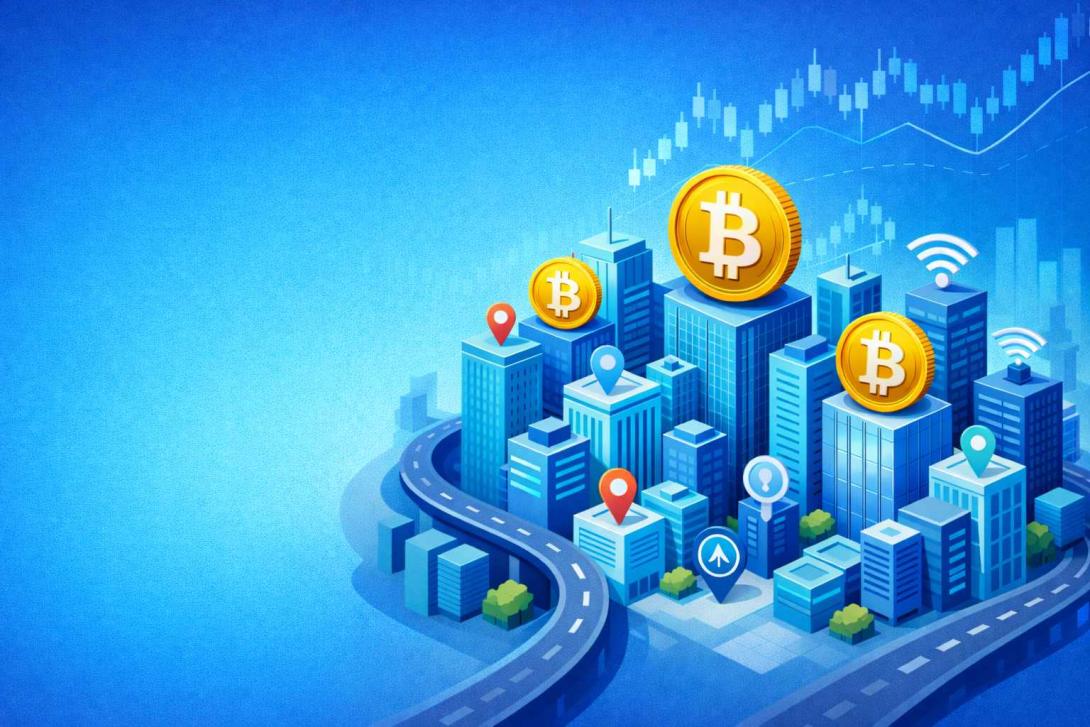
The intersection of real estate and digital assets represents one of the most transformative financial innovations of the past decade. Tokenization the process of converting ownership rights in a real‑world asset into a digital token on a blockchain has captured the imagination of investors, developers, and technologists alike. At its core, real estate tokenization leverages emerging trends in Web3 investment, decentralized finance (DeFi), blockchain technology, and digital asset markets to reshape how property is bought, sold, and financed. This evolution aligns with broader shifts toward digital ownership, fractionalization, interoperability, and increased market access. Understanding how tokenization fits into the broader Web3 ecosystem requires a deep exploration of its technological foundations, economic incentives, regulatory landscapes, and its potential to democratize real estate investing for a new generation.
The Essence of Tokenization in a Digital World
Tokenization can be described simply as the representation of ownership rights via digital tokens on a blockchain. Each token can signify a share of an underlying asset in this case, real estate. Rather than holding a traditional deed or equity share in a private company, investors can own digital tokens that correspond to a fraction of a building, development project, or property portfolio. These tokens exist on public or permissioned blockchains and are transacted using smart contracts self‑executing code that enforces terms, automates payments, and facilitates transfers without intermediaries.
This model aligns naturally with broader trends in digital assets, where ownership and value transfer are increasingly defined by cryptographically secured ledger entries instead of paper contracts. The shift toward digital value representation echoes developments in cryptocurrencies, non‑fungible tokens (NFTs), and programmable money. As digital property rights gain traction, tokenization serves as a key bridge between traditional illiquid assets and liquid digital markets, enabling seamless participation regardless of geographical boundaries.
Web3 Investment Trends and Real Estate Tokenization
To appreciate how real estate tokenization aligns with Web3 investment, it’s essential to grasp the defining characteristics of Web3 itself. Web3 refers to a decentralized, blockchain‑centric internet infrastructure where users own their data and value flows peer‑to‑peer without centralized gatekeepers. In this vision, digital assets aren’t mere collectibles or speculative instruments; they serve as vehicles for ownership, governance, and financial participation.
Decentralization and Accessibility
A hallmark of Web3 investment is decentralization, which reduces dependence on centralized institutions like banks and brokerage firms. Blockchain protocols enable direct interaction between counterparties, lowering barriers to entry. Real estate tokenization extends this philosophy to property markets traditionally dominated by institutional players. By fractionalizing ownership into tokens, investors with modest capital can participate alongside larger entities. Smaller investors can hold a meaningful stake in premium properties that would otherwise be inaccessible due to high capital requirements.
This democratization of access mirrors trends in decentralized finance, where protocols like lending platforms and automated market makers have broadened participation beyond institutional investors. In real estate, tokenization offers similar accessibility by enabling 24/7 trading on blockchain‑enabled marketplaces, potentially expanding investor diversity and liquidity.
Fractional Ownership and Liquidity
Fractional ownership is arguably the most compelling value proposition of tokenization. Traditional real estate often ties up large sums of capital, making it illiquid and difficult to trade swiftly. By contrast, tokenized real estate can be divided into thousands or millions of tokens, each representing a proportional share. Investors can buy or sell these tokens with ease, creating a secondary market that functions much like traditional securities exchanges but with greater speed, transparency, and reduced friction.
This increased liquidity aligns with broader digital asset trends where tokenized securities, decentralized exchanges, and cross‑chain marketplaces aim to make previously illiquid assets tradable. Fractionalization enhances price discovery and allows risk‑adjusted exposure that matches the investor’s individual tolerance. Investors can rebalance portfolios dynamically, respond to market developments, and deploy capital more efficiently without being locked into long holding periods.
Smart Contracts and Automated Finance
Smart contracts play a pivotal role in tokenization’s alignment with Web3 investment trends. These programmable agreements execute automatically when predefined conditions are met, eliminating the need for manual intervention and intermediaries. Smart contracts can manage rent payments, distribute dividends, enforce compliance rules, and handle governance decisions based on token holder votes.
Smart contract automation mirrors key DeFi innovations such as liquidity pools, yield farming mechanisms, and algorithmic settlements. In real estate, these contracts streamline property management functions, lower operational costs, and reduce settlement times from days to minutes. Aligning with Web3’s ethos of composability, tokenized real estate assets can interoperate with other decentralized applications (dApps), such as lending protocols that allow token holders to borrow against their real estate holdings or earn yield by providing liquidity.
Programmable Ownership and Financial Innovation
Tokenization introduces programmable ownership the ability to embed rules, rights, and incentives directly into the token itself. This enables novel financial products previously impractical in traditional markets. For instance, property developers could create tokens with built‑in rights to rental income, voting privileges in development decisions, or tiered returns based on token class. These programmable features unlock financial innovation that aligns with the modular design of Web3 finance.
Investors can hold tokens that automatically reinvest earnings, trigger options based on performance, or convert into other asset classes under specific conditions. This blurs the line between real estate, securities, and decentralized financial instruments, positioning tokenization at the forefront of digital investment innovation.
Integration With the Broader Digital Asset Ecosystem
Real estate tokenization does not exist in isolation. It connects with a broad ecosystem of digital assets, including cryptocurrencies, stablecoins, decentralized exchanges, and identity protocols. These connections enhance the efficiency, security, and usability of tokenized real estate investments.
Stablecoin Integration for Efficient Transactions
Stablecoins — digital assets pegged to fiat currencies like the U.S. dollar facilitate efficient value transfer without exposing users to cryptocurrency volatility. Investors can use stablecoins to purchase tokenized real estate, enabling near‑instant settlement across borders. This is particularly valuable for international investors who otherwise face delays and fees associated with currency conversion and cross‑border payments.
Stablecoin integration reflects general digital asset trends where businesses leverage blockchain‑native currencies for real‑time settlement, lowering costs and enhancing transparency. By adopting stablecoins in tokenized real estate transactions, the industry further aligns with the broader digital finance movement toward fast, low‑cost payments.
Identity, Compliance, and Security
Blockchain‑based identity protocols and compliance solutions are critical to real estate tokenization’s mainstream adoption. Real estate investments require adherence to Know Your Customer (KYC), Anti‑Money Laundering (AML), tax reporting, and securities regulations. Web3 identity frameworks enable secure verification while preserving privacy and sovereignty.
These systems integrate with token issuance and trading platforms to enforce compliance rules programmatically. Investors’ identities are cryptographically validated, and only approved participants can access specific markets or token classes. This integration ensures that tokenized real estate adheres to legal frameworks, reducing risk while retaining the transparency and automation of blockchain systems.
Market Dynamics and Investment Implications
The convergence of tokenization with digital asset trends has profound market implications for investors, property owners, and financial intermediaries. Understanding these dynamics is essential for evaluating tokenization’s potential and challenges.
Liquidity Premium and Market Efficiency
Traditionally, investors require a liquidity premium when investing in real estate due to long holding periods and slow market responses. Tokenization’s inherent liquidity could compress liquidity premiums, making real estate a more attractive asset relative to other investment options. Greater liquidity improves price discovery, enabling markets to reflect real‑time supply and demand more accurately.
This mirrors digital finance trends where tokenized securities and decentralized markets have reduced friction and enhanced efficiency. As real estate markets adopt similar mechanisms, pricing becomes more dynamic and transparent potentially attracting institutional capital previously hesitant to enter illiquid markets.
Lower Barriers and Broader Participation
Tokenization reduces minimum investment thresholds, inviting broader participation. Retail investors, smaller institutions, and international participants gain access to diversified real estate portfolios. This trend aligns with a rising democratization of finance, in which tools once exclusive to high‑net‑worth individuals are accessible to anyone with an internet connection and digital wallet.
Lower barriers expand the investor base and create new opportunities for wealth creation among underserved populations. Investors in emerging markets, expatriates, and international buyers can diversify into global property markets without traditional intermediaries. This inclusive participation reflects the Web3 ethos of open and equitable access to financial systems.
Portfolio Diversification and Risk Management
Tokenized real estate enhances portfolio diversification. Investors can spread capital across geographic regions, property types (residential, commercial, industrial), and risk profiles. Tokenization also supports modular investing strategies, where investors allocate small amounts to multiple properties to balance risk and return.
The modulatory nature of tokenized portfolios mirrors DeFi principles, where users can distribute holdings across protocols, assets, and strategies. Combining tokenized real estate with other digital asset classes such as digital securities, tokenized commodities, and cryptocurrencies — creates hybrid portfolios that maximize diversification benefits.
Regulatory Challenges and Institutional Adoption
Despite its potential, real estate tokenization faces regulatory complexity. Securities regulations, property laws, tax implications, and cross‑border rules vary significantly across jurisdictions. Platforms issuing real estate tokens must navigate securities exemptions, token classification frameworks, and investor protections.
However, these challenges have not deterred institutional interest. Major financial institutions, asset managers, and real estate developers are exploring tokenization frameworks compliant with legal requirements. Regulatory clarity and cooperation between blockchain innovators and policymakers are essential for widespread adoption.
Institutional adoption brings credibility and liquidity to tokenized markets, reinforcing alignment with broader digital investment trends. As institutional participation grows, tokenized real estate is likely to become integrated into mainstream investment strategies alongside traditional equities and bonds.
Benefits and Risks of Real Estate Tokenization
To understand tokenization’s alignment with digital assets and Web3 investment, it’s crucial to consider both its benefits and inherent risks.
Key Benefits
1. Enhanced Liquidity: Tokenized assets can be traded more freely on digital marketplaces, reducing barriers associated with traditional real estate transactions.
2. Fractionalization: Investors gain exposure with lower capital commitments, increasing inclusivity.
3. Transparency: Blockchain’s immutable ledger ensures transparent ownership records and transaction histories.
4. Automation: Smart contracts streamline administrative functions, reducing operational costs.
5. Global Access: Tokenization enables borderless investment without traditional intermediaries.
These benefits reflect core innovations of digital asset markets decentralized access, automation, transparency, and efficiency.
Primary Risks
1. Regulatory Uncertainty: Diverse legal frameworks pose compliance challenges and create investor risk.
2. Market Volatility: While tokenization doesn’t inherently increase volatility, connections with digital asset markets can expose real estate tokens to broader market sentiment.
3. Technology Risks: Smart contract vulnerabilities, platform security, and interoperability issues can compromise value.
4. Liquidity Dependence: Token liquidity depends on robust secondary markets; thin trading can limit exit options.
Recognizing these risks is essential for responsible participation in tokenized real estate markets.
Future Outlook: Synergies and Evolution
Looking ahead, real estate tokenization’s alignment with digital asset and Web3 investment trends will deepen as technology, regulation, and market infrastructure evolve. Several developments are likely to shape this trajectory:
Cross‑Chain Interoperability
As blockchain ecosystems mature, cross‑chain interoperability will enable real estate tokens to move freely across networks. Interoperability expands liquidity pools, facilitates broader access, and enhances composability with other financial protocols.
DeFi Integration
Real estate tokens may become integral to DeFi portfolios, serving as collateral for loans, yield‑bearing assets in liquidity pools, or components in structured financial products. This integration bridges traditional assets with decentralized markets, expanding investment utility.
Regulatory Harmonization
As regulators define clearer frameworks for tokenized assets, markets will adopt standardized practices for investor protection, disclosure, and compliance. Harmonization encourages institutional participation and reduces fragmentation in tokenized real estate markets.
Digital Identity and Governance Models
Blockchain‑based identity solutions and decentralized governance models will empower token holders with voting rights, profit‑sharing decisions, and collaborative development oversight. These features enhance investor engagement and align with decentralized governance principles of Web3.
Conclusion:
Real estate tokenization represents a convergence of traditional asset markets with digital finance and Web3 investment paradigms. By embracing fractional ownership, blockchain automation, enhanced liquidity, and global participation, tokenization aligns with broader trends shaping digital assets. While challenges remain particularly around regulation and technology adoption the potential to democratize real estate investing is unmistakable. As tokenization matures within the digital asset ecosystem, it promises to reshape how capital allocates, how investors engage, and how value is defined in an increasingly digital economy.
In an era where digital ownership is becoming ubiquitous, real estate tokenization stands as a powerful example of how traditional markets can evolve to meet the demands of the next generation of investors. Its alignment with Web3 trends underscores a broader shift toward decentralized, inclusive, and technology‑driven financial markets — one that may redefine the future of property investment for decades to come.