
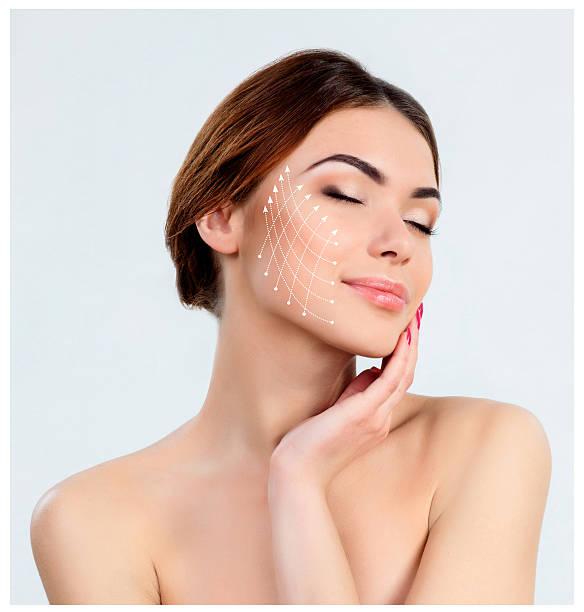
Changes in skin firmness, facial contours, and tissue support are natural parts of ageing. As collagen and elastin gradually decrease, areas such as the cheeks, jawline, and neck may begin to appear less defined. For people who want a subtle lifting effect without undergoing a traditional facelift, a Thread Lift in Dubai may be an option worth exploring.
A thread lift is a minimally invasive aesthetic procedure that uses absorbable threads placed beneath the skin to support and reposition selected tissues. Certain thread designs also encourage collagen production as the material gradually breaks down. The treatment is intended for carefully selected patients with mild to moderate skin laxity, rather than significant excess skin that may require surgery.
What Is a Thread Lift and How Does It Work
A thread lift is a non-surgical facial lifting technique that uses specially designed absorbable sutures to provide support beneath the skin. The threads are inserted through small entry points and positioned along planned directions to improve selected facial contours.
Different thread materials and designs are available. The appropriate option depends on the treatment area, degree of skin laxity, facial anatomy, and the practitioner's assessment.
Understanding Silhouette Soft Threads
Silhouette Soft is a type of absorbable thread system made with polylactic acid-based material and designed with bidirectional cones. These cones help engage and support tissue when the thread is positioned beneath the skin.
The treatment has two intended effects:
- Mechanical support: The thread and cone structure provides an immediate lifting effect by supporting selected tissues.
- Collagen stimulation: As the material is gradually absorbed, the treatment may encourage the body's collagen response, contributing to changes in skin firmness over time.
The degree of improvement varies. A thread lift does not stop ageing, replace lost facial volume completely, or produce the same result as surgical tissue repositioning.
How a Thread Lift in Dubai Addresses Facial Sagging
Facial ageing involves changes in skin quality, fat distribution, ligaments, and deeper tissue support. A thread lift focuses on selected areas where mild tissue descent affects facial definition.
Supporting the Cheeks and Midface
Changes in cheek support can contribute to a flatter midface appearance and more noticeable folds around the nose and mouth. Carefully positioned threads may provide support to selected cheek tissues.
The objective is to create a refreshed appearance while maintaining natural facial proportions. Excessive lifting can produce an unnatural look, which is why conservative planning is important.
Improving Jawline Definition
Mild jowling can soften the transition between the lower face and neck. Depending on the patient's anatomy, threads may provide support that improves the appearance of the jawline.
A thread lift is not a treatment for significant fat deposits or substantial excess skin. Patients with more advanced changes may need to discuss alternative approaches.
Addressing the Neck Area
Some thread lift techniques may be considered for selected cases of mild neck laxity. However, the neck has different tissue characteristics from the midface, and treatment suitability depends on skin quality and the extent of sagging.
A specialist should assess whether thread placement is likely to provide a meaningful improvement.
Facial Areas That May Be Treated With Thread Lifting
Thread placement is customized according to the patient's anatomy and aesthetic goals. Not every area is suitable for every thread design.
Cheek and Midface Thread Lift
Cheek treatments aim to support selected tissues and improve the appearance of mild descent. The direction and number of threads depend on the existing facial structure and the desired degree of correction.
Jawline Thread Lift
Jawline treatments may help improve definition where mild jowling or tissue descent is present. The practitioner considers facial symmetry, skin thickness, and the position of underlying structures before planning insertion points.
Eyebrow Thread Lift
Selected patients may benefit from a subtle eyebrow lift using an appropriate thread technique. The goal is generally to improve brow position without creating excessive elevation or changing the natural expression.
Neck and Lower-Face Thread Lift
The lower face and neck require careful assessment because skin laxity, fat distribution, and muscle activity can influence the outcome. A thread lift may be considered for mild changes, while more pronounced laxity may require another treatment.
Who May Be Suitable for a Thread Lift
Patient selection is essential because thread lifting works best within specific clinical limits. The procedure is generally considered for adults who have mild to moderate tissue laxity and want a modest improvement without undergoing a surgical facelift.
Common Characteristics of Suitable Candidates
A potential candidate may:
- Have mild to moderate sagging around the cheeks or jawline.
- Prefer a minimally invasive approach to facial lifting.
- Have sufficient tissue quality to support thread placement.
- Be in suitable general health for the procedure.
- Understand that results are temporary and vary.
- Have realistic expectations about the degree of lifting.
Age alone does not determine suitability. Skin quality, facial anatomy, medical history, and treatment goals are more relevant.
When Another Treatment May Be More Appropriate
A thread lift may not provide enough correction for patients with significant skin excess, advanced jowling, or substantial tissue descent.
It may also be unsuitable in certain circumstances involving active skin infection, particular medical conditions, or other factors that increase procedural risk. The treating specialist should review the patient's medical history and determine whether treatment can be performed safely.
Silhouette Soft and Other Thread Lift Options
Not all thread lifts use the same materials or designs. Different systems are developed for different purposes, including tissue support, lifting, or improving skin firmness.
Silhouette Soft Compared With PDO Threads
Silhouette Soft uses a specific cone-based design intended to engage and support tissue. PDO threads are made from polydioxanone and are available in different configurations, including smooth and lifting designs.
The two approaches should not be treated as interchangeable. Their intended effects, placement methods, and suitability depend on the specific product and treatment plan.
COG and Mono Threads
COG threads have barbs or similar anchoring features designed to engage tissue. Mono threads are generally smooth and are more commonly used for skin-support or collagen-stimulation goals rather than substantial mechanical lifting.
The choice should be based on the patient's anatomy and the clinical objective, not simply on which thread is marketed as stronger.
What Happens During a Thread Lift Procedure
A thread lift usually involves several stages, from facial assessment to placement and post-treatment review. The exact process varies according to the thread system and the areas being treated.
Facial Assessment and Treatment Planning
The practitioner examines the face, skin quality, degree of laxity, and natural tissue distribution. Medical history, medications, allergies, previous aesthetic treatments, and patient expectations are also reviewed.
The specialist then determines whether thread lifting is appropriate and identifies the areas that may benefit from treatment.
Marking and Preparation
The planned insertion points and lifting directions are marked according to the patient's facial structure. The skin is cleansed, and local anaesthesia is generally used to improve comfort during placement.
Thread Placement
The practitioner introduces the threads beneath the skin using the technique specified for the selected system. Their position and direction are adjusted to support the intended tissue movement.
Once placement is complete, the practitioner assesses the contours and makes any necessary adjustments within the treatment plan.
Post-Procedure Assessment
The treated areas are checked for symmetry, comfort, and immediate reactions. Patients receive instructions about activity restrictions, skincare, sleeping position, and follow-up appointments.
Expected Results and How Long They May Last
A thread lift may produce some visible lifting immediately after treatment. However, early swelling and tightness can affect the initial appearance.
Over the following weeks, these temporary effects generally settle. Collagen-related changes may develop gradually, so the final appearance should not be judged immediately after the procedure.
Immediate Lifting Effect
The mechanical support provided by the threads can create an initial change in selected facial contours. The degree of lifting depends on the thread design, placement, tissue characteristics, and treatment area.
Gradual Changes in Skin Firmness
Collagen stimulation may contribute to gradual changes in skin support and texture. These changes develop over time and vary between patients.
Duration of Results
Thread lift results are temporary. Their duration depends on the thread material, facial anatomy, degree of skin laxity, lifestyle, and natural ageing process.
Some treatment plans may provide visible improvement for around 12–18 months, while certain Silhouette Soft treatments may be associated with results lasting longer. No specific duration can be guaranteed, and maintenance should be discussed with the treating specialist.
Recovery and Aftercare Following Thread Lifting
Although thread lifting generally involves less recovery than surgical facial lifting, patients should still follow aftercare instructions carefully. Temporary swelling, bruising, tenderness, tightness, or mild irregularities may occur.
First Few Days
During the initial recovery period, patients may be advised to:
- Avoid rubbing or massaging the treated areas.
- Sleep on their back with the head slightly elevated.
- Avoid unnecessary pressure on the face.
- Use cold compresses only as instructed.
- Follow the prescribed medication and skincare guidance.
- Avoid strenuous activity during the recommended period.
First One to Two Weeks
The practitioner may recommend avoiding intense exercise, exaggerated facial movements, dental procedures, facial massage, and treatments that place pressure on the threads.
The exact restrictions depend on the thread system and the areas treated. Patients should confirm when they can safely resume their normal activities.
When to Contact the Clinic
Increasing pain, marked asymmetry, persistent swelling, skin discoloration, fever, discharge, or visible thread material should be assessed by a medical professional. Patients should not attempt to adjust or manipulate a thread themselves.
Possible Risks and Side Effects
Thread lifting is minimally invasive, but it is still a medical procedure and carries potential risks.
Temporary effects may include:
- Bruising and swelling
- Tenderness or discomfort
- Tightness or pulling sensations
- Mild irregularities or dimpling
- Temporary asymmetry
Less common complications can include infection, thread visibility or extrusion, migration, persistent irregularities, nerve or blood-vessel injury, and unsatisfactory results. The risk profile depends on the patient's anatomy, the thread system, and the technique used.
A qualified practitioner should explain the possible complications and how they are managed before treatment.
Factors That Influence Thread Lift Cost in Dubai
The cost of a thread lift varies because treatment plans are not identical. A consultation is needed to determine the number of threads, areas requiring treatment, and the appropriate product.
Common cost considerations include:
- Thread type: Different thread systems have different materials and designs.
- Number of threads: The quantity required depends on the treatment area and desired correction.
- Treatment complexity: More extensive facial planning may require additional time and resources.
- Practitioner expertise: The experience and qualifications of the treating professional are important considerations.
- Clinical setting: Facility standards, consultation, and follow-up arrangements may influence the overall treatment cost.
Patients should request a clear treatment plan and understand what is included in the quoted price before proceeding.
Clinic Note
A thread lift is best approached as a treatment for selected cases of mild to moderate facial laxity, not as a replacement for every type of facelift. The most appropriate results come from careful patient selection, conservative facial planning, suitable thread choice, and an experienced medical practitioner. Patients should understand both the expected benefits and the limitations before deciding on treatment.
FAQs About Thread Lift in Dubai
How long does a thread lift procedure take?
The treatment commonly takes around 30–60 minutes, although the duration depends on the number of threads, treatment areas, and individual procedure plan.
Is a thread lift painful?
Local anaesthesia is generally used to improve comfort. Patients may experience pressure or pulling sensations during placement, followed by temporary tenderness or tightness.
How soon can I see thread lift results?
Some lifting may be visible immediately. Swelling and bruising can affect the early appearance, while collagen-related changes develop gradually over the following weeks and months.
How long does a Silhouette Soft thread lift last?
Results vary according to the patient's skin, facial anatomy, lifestyle, and treatment plan. Some patients may experience improvement for approximately 12–18 months or longer, but the duration is not guaranteed.
Can a thread lift replace a surgical facelift?
No. Thread lifting is generally intended for selected cases of mild to moderate laxity. A surgical facelift may be more appropriate for significant sagging or excess skin.
Are thread lifts suitable for both men and women?
Both men and women may be candidates. Suitability depends on facial anatomy, skin condition, treatment goals, and medical history rather than gender alone.
Can thread lifting be combined with dermal fillers?
In selected cases, a specialist may recommend combining treatments to address different concerns. The timing and suitability of each procedure should be assessed individually.
What are the possible side effects of a thread lift?
Temporary swelling, bruising, tenderness, and tightness can occur. Less common complications include infection, thread visibility, migration, skin irregularities, or asymmetry.
Choosing a Thoughtful Approach to Facial Rejuvenation
A thread lift can offer a minimally invasive option for people seeking subtle improvement in selected facial contours. However, the treatment works within specific limits, and its suitability depends on skin laxity, tissue quality, anatomy, and individual expectations.
At Tajmeels Clinic, patients considering a Thread Lift in Dubai can discuss Silhouette Soft treatment, facial assessment, thread selection, recovery expectations, and alternative rejuvenation options. A personalized consultation helps establish whether thread lifting is an appropriate choice for achieving balanced and natural-looking facial enhancement.