

A small mole, an unusual spot, or a patch of skin that refuses to heal might not seem like a serious concern at first. However, certain changes in your skin deserve more attention than others. Skin cancer screening can help identify suspicious skin growths and determine whether further medical examination is necessary. Understanding what to look for can help you make better decisions about your skin health.
Many people assume that skin cancer only affects older adults or individuals who spend long hours in the sun. In reality, it can affect people of different ages and skin tones. Even everyday activities such as driving, gardening, walking, and playing outdoor sports can contribute to ultraviolet (UV) exposure over time. Knowing your skin and recognizing unusual changes are important steps toward protecting your health.
What Is Skin Cancer Screening and How Does It Work?
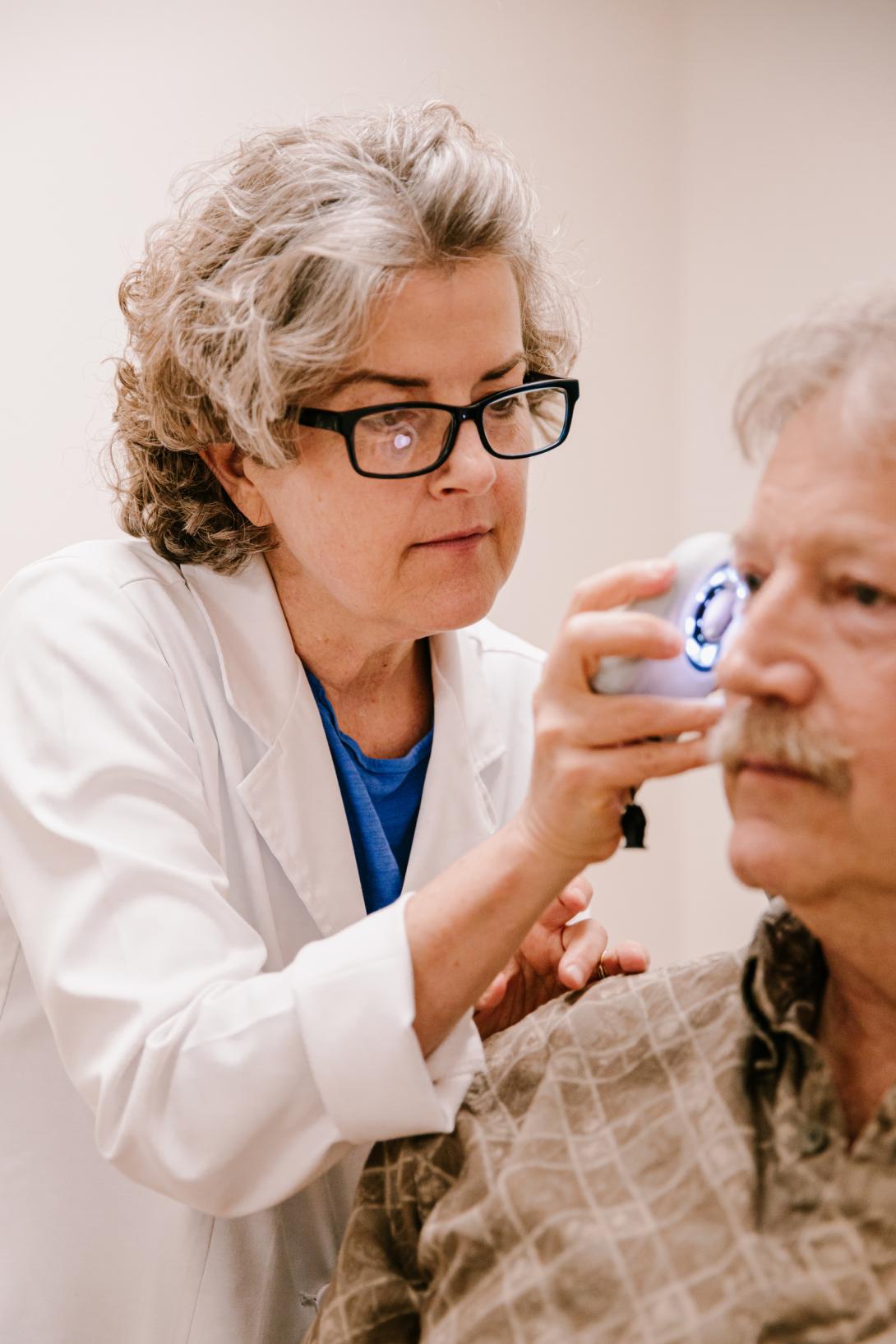
A dermatologist skin cancer screening is a professional examination of the skin to identify potentially cancerous growths, unusual moles, and other concerning changes. During the appointment, a dermatologist may examine different areas of your body, review your medical history, and ask about previous sun exposure or changes you have noticed. A specialized magnifying instrument called a dermatoscope may also be used to examine suspicious spots more closely. If further investigation is necessary, a skin biopsy may be recommended.
Understanding the Common Types of Skin Cancer
Skin cancer develops when abnormal skin cells grow uncontrollably. Basal cell carcinoma, squamous cell carcinoma, and melanoma are three of the most common types. Basal cell carcinoma may appear as a shiny bump or an unusual patch of skin, while squamous cell carcinoma can look like a rough, scaly area or persistent sore. Melanoma is a particularly serious form that can spread to other parts of the body. It may develop within an existing mole or appear as a new growth. Recognizing these differences can help you understand why professional examination is important.
Early Warning Signs of Skin Cancer You Should Not Ignore
Skin cancer does not always cause pain or discomfort, especially during its early stages. Pay attention to moles that change in size, shape, or color, sores that heal and repeatedly return, and spots that bleed, itch, or develop a crust without an obvious reason. The ABCDE method is a helpful way to recognize potential signs of melanoma. It stands for asymmetry, irregular borders, uneven color, diameter, and evolving appearance. Although melanomas are often larger than six millimeters when diagnosed, they can also be smaller. Any suspicious or changing spot should be evaluated by a healthcare professional.
Who Is at Higher Risk of Developing Skin Cancer?
Although anyone can develop skin cancer, certain factors may increase the likelihood of developing the condition. A history of severe sunburns, frequent tanning bed use, numerous moles, lighter skin, a weakened immune system, and a personal or family history of skin cancer are important considerations. People who regularly work outdoors or participate in outdoor recreational activities may also experience greater UV exposure. Individuals with darker skin can develop skin cancer as well, including on areas such as the palms, soles, and beneath the nails. No skin tone offers complete protection.
How Often Should You Get a Skin Cancer Screening?
There is no single screening schedule that is appropriate for everyone. Your dermatologist may recommend examinations based on your medical history, previous skin cancer diagnoses, sun exposure, and individual risk factors. Some people at higher risk may benefit from annual or more frequent examinations. However, the U.S. Preventive Services Task Force states that current evidence is insufficient to recommend for or against routine clinician screening for people without symptoms. If you notice a suspicious mole or unusual skin growth, you should seek medical advice rather than waiting for your next routine appointment.
When Should You Visit a Dermatologist?
Knowing when to consult a dermatologist for skin conditions can help you address concerns before they become more complicated. If a mole suddenly changes, a wound fails to heal, or a new growth looks different from other spots on your body, arrange a medical examination. Some noncancerous conditions can resemble skin cancer, making self-diagnosis unreliable. A dermatologist can assess your symptoms, explain possible causes, and recommend appropriate testing or treatment based on the findings.
How to Perform a Skin Self-Examination at Home
Checking your skin at home is a practical way to become familiar with its normal appearance. Regular self-examinations can help you recognize changes that might otherwise go unnoticed.
Follow these simple steps:
- Stand in front of a full-length mirror and examine the front and back of your body.
- Check your arms, elbows, underarms, palms, and fingernails.
- Examine your legs, feet, toenails, and the spaces between your toes.
- Use a handheld mirror to inspect your scalp, neck, and back.
- Take dated photographs of existing moles when helpful to track visible changes.
- Contact a dermatologist if you discover a suspicious or changing spot.
Remember that a self-examination is not a substitute for professional medical evaluation. Some abnormal skin growths can be difficult to recognize without specialized training.
What Happens If a Suspicious Mole Is Found?
Finding an unusual mole during a skin examination does not automatically mean you have cancer. Many skin growths are harmless, but further testing may be necessary to determine their cause.
If a dermatologist identifies a concerning lesion, they may recommend a biopsy. This involves removing some or all of the affected tissue for examination under a microscope. The laboratory results help determine whether abnormal or cancerous cells are present.
If skin cancer is confirmed, treatment depends on its type, size, location, and stage. Available options may include surgical removal, Mohs surgery, or other treatments selected according to the diagnosis. Detecting certain skin cancers early can make treatment less complicated and improve the chances of successful outcomes.
Everyday Habits That Can Help Reduce Skin Cancer Risk
Protecting your skin does not require major lifestyle changes. Small, consistent habits can help reduce unnecessary UV exposure and support long-term skin health.
Consider incorporating these practices into your daily routine:
- Apply broad-spectrum, water-resistant sunscreen with SPF 30 or higher to exposed skin.
- Reapply sunscreen approximately every two hours and after swimming or sweating.
- Wear protective clothing, sunglasses, and a wide-brimmed hat outdoors.
- Seek shade when sunlight is particularly strong.
- Avoid indoor tanning beds and deliberate tanning.
- Practice sun protection during winter and cloudy weather.
For people living in Montana, sun protection is especially worth remembering during outdoor activities such as hiking, fishing, skiing, and camping. Snow can reflect UV radiation, increasing exposure even when temperatures are low.
Frequently Asked Questions
Is skin cancer screening painful?
A visual skin examination is generally painless and noninvasive. If a biopsy is required, local anesthesia is commonly used to minimize discomfort during the procedure.
Can skin cancer develop in areas that are not exposed to sunlight?
Yes. Although skin cancer frequently develops on sun-exposed areas, it can also appear on the scalp, soles of the feet, beneath the nails, and other less exposed parts of the body.
Can a normal-looking mole become cancerous?
Some melanomas develop from existing moles, while others appear as entirely new growths. Monitoring changes in your skin and seeking professional evaluation when necessary can help identify concerning developments.
What should I do before a skin cancer screening appointment?
Make a note of any unusual spots, changes in existing moles, or previous skin problems. Share your personal and family medical history with your dermatologist. Removing makeup and nail polish before a full skin examination may also make certain areas easier to inspect.
Does sunscreen completely prevent skin cancer?
No. Sunscreen helps reduce UV exposure but cannot eliminate the risk of skin cancer. Combining sunscreen with protective clothing, shade, and awareness of skin changes provides a more comprehensive approach to skin protection.
Final Thoughts
Healthy skin starts with understanding what is normal for your body and recognizing when something changes. Skin cancer screening can play an important role in evaluating suspicious growths, particularly for individuals with increased risk factors.
Rather than ignoring an unusual mole or persistent skin problem, seek professional guidance. Dermatology Associates in Montana provides skin cancer examinations, diagnostic services, treatment options, and patient education to help individuals make informed decisions about their skin health.
Staying aware of skin changes, practicing sun protection, and seeking timely medical attention are practical steps that can make a meaningful difference in your long-term well-being.