

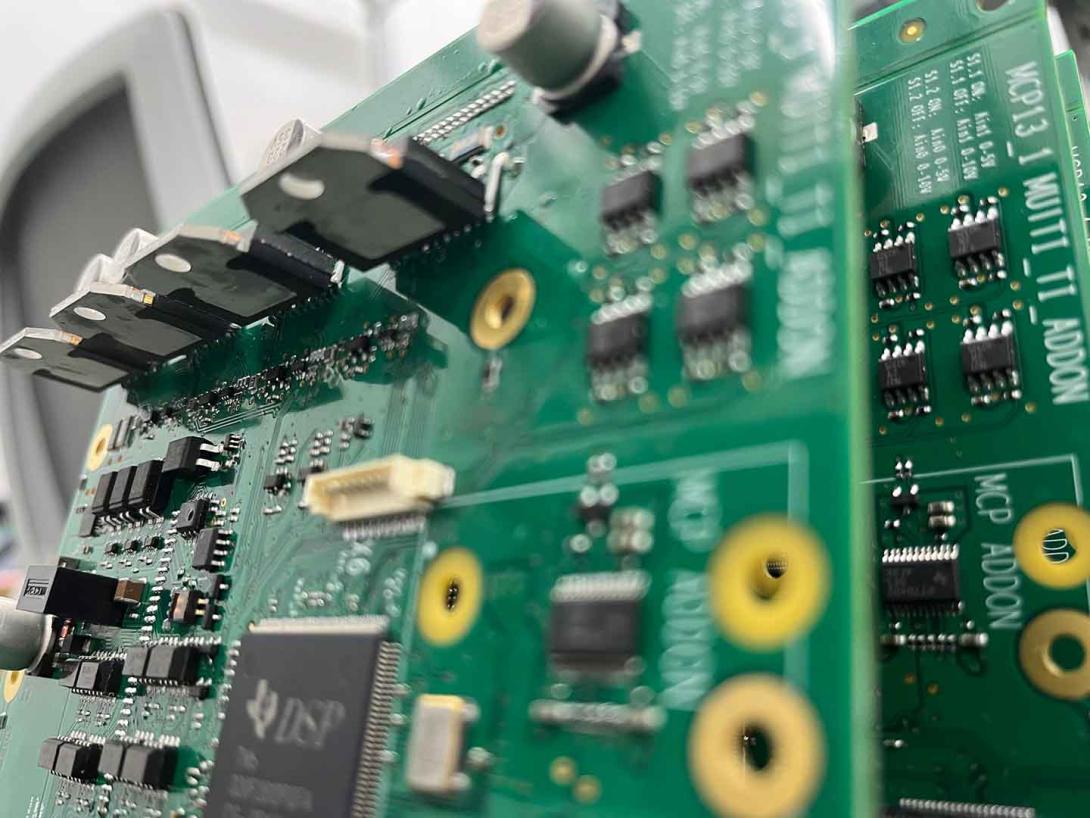
Every electronic gadget starts as a bright idea in someone's mind. Engineers draw circuit plans on computers with great care. The process of PCB fabrication and assembly turns these drawings into physical boards that run our devices. This vital step gives life to phones, tablets, and even simple toys. Without this work, those gadgets would remain useless piles of parts. Skilled workers craft each board with exactness, lay copper paths, and drill holes. They check every connection for faults. This hidden hero supports every click and swipe we make.
Understanding the Basics
Every electronic product relies on a printed circuit board. This board holds the components and threads them together. Without this board, your device will not run. These fabrication and assembly transform a simple design into a working product. This process turns an idea into a real, useful object. The fabrication crafts the bare board. The assembly attaches the parts to the board.
What Happens During Fabrication
Fabrication builds the physical board. Workers start with a flat sheet. They coat a copper layer onto the sheet. Then they print the circuit design. They strip away extra copper. This process leaves only the paths. This stage also drills holes. These holes let parts join later. Manufacturers lay a protective layer. This layer shields the copper from harm. The final board looks green and clean. Workers probe the board for electrical paths. One mistake ruins the whole board. PCB fabrication in Singapore follows these same steps with great care.
- Copper covers the base.
- Design prints on top
- Extra copper disappears
- Protective layer shields
The Marriage of Fabrication and Assembly
These two processes pair together. Fabrication lays the foundation. The assembly builds the structure. Both steps follow the same design. The design guides every move. Fabrication copies the design exactly. Assembly copies the design exactly. Any mismatch causes product failure. The board might refuse parts. Parts might not fit the holes. The product then fails. Designers examine both processes together. They ensure harmony from start to end. This harmony produces reliable electronics. Failure in one step spoils everything.
Materials Choice Affects Reliability
Materials decide product quality. At the same time, the base material provides strength. While the copper provides conductivity. At the same time, the solder provides connections. Each material has unique traits. Even some materials resist heat better. Therefore, some handle higher speeds. Some cost less to produce. The choice affects reliability. A good match promises long life. A poor match causes early failure. Manufacturers select materials wisely. They balance performance and toughness. The product then performs its duty. Smart choices create superior products.
- The base gives the board strength.
- Copper conducts electricity
- Solder makes connections
- Smart choices create products
Why Quality Matters
Quality decides product longevity. At the same time, a quality board lasts many years. While a poor board fails quickly. Therefore, failure frustrates customers. Even if it wastes money to fix. It hurts brand reputation. These fabrication and assembly qualities decide the outcome. High standards stop failures. Therefore, they ensure customer satisfaction. While they build trust over time. Even when quality starts with design. Then quality continues through fabrication. Quality finishes with assembly. Each step demands careful execution. As a result, the final product earns respect.
Testing Catches Problems
Testing uncovers hidden issues. Fabricated boards undergo electrical tests. Therefore, these tests probe every connection. At the same time, they find short circuits. While they find open circuits. They find resistance issues. While assembled boards undergo functional tests. These tests mimic product use. Even if they check part values. While they check the signal flow. They check the power distribution. Testing captures defects early. Early capture stops escapes. Escaped defects reach customers. Customers become unhappy. Testing protects everyone involved.
- Electrical tests find shorts.
- Functional tests check use.
- Early capture stops escapes.
- Testing protects everyone
Choosing a Partner for Fabrication
Selecting the right partner matters greatly. Experience shows capability. Technology shows investment. Certifications prove commitment. References show past performance. A reliable partner ensures smooth production. At the same time, they foresee potential problems. While they solve issues promptly. Also, they communicate clearly. Therefore, they meet delivery schedules. They uphold quality standards. Singapore offers many choices. PCB fabrication in Singapore provides excellent services. The partnership helps with success.
Capabilities Match Requirements
The partner must match needs. Complex boards need advanced gear. Simple boards need basic gear. High volume needs capacity. Low volume needs flexibility. The partner must own proper equipment. At the same time, they must have skilled workers. They must have proper facilities. Therefore, they must have quality systems. Matching ensures satisfaction. Mismatch creates frustration. Evaluate capabilities thoroughly. Compare with your requirements. Choose the best match. Success follows wise choices.
- Complex boards need advanced gear.
- High volume requires capacity.
- Skills and facilities matter.
- Matching ensures satisfaction
Final Thought
Building great products demands attention to every small detail. The journey from design to finished board involves many careful steps. Choosing the right partner for PCB fabrication and assembly decides the outcome. Quality boards last for years, while poor ones break quickly. Testing and rework catch errors before they reach customers. The best manufacturers follow strict rules and use clean methods. They also communicate clearly and deliver on time. In the end, reliable products come from reliable processes, and that starts with the board.
FAQs
Q 1: Why is this process so important for product reliability?
The process builds the backbone of every electronic device. A well-made board keeps all parts connected and working together. Any flaw in this process can cause the whole product to fail, so getting it right from the start matters greatly.
Q 2: How do manufacturers check if boards work properly?
Manufacturers run electrical tests on every board. They check each connection for faults. They also perform functional tests that mimic real product use. These tests catch problems early, before boards reach customers and cause frustration.
Q 3: What causes boards to fail prematurely?
Heat, dirt, moisture, and static electricity all damage boards. Poor solder joints and incorrect part placement also cause failures. Following proper handling rules and using clean methods prevents these issues and extends product life.
Q 4: How do I choose the right partner for making boards?
Look for experience, proper equipment, and clear communication. Check their quality certifications and ask for references. A good partner follows strict standards, meets deadlines, and solves problems quickly. This choice directly affects your product's success.