
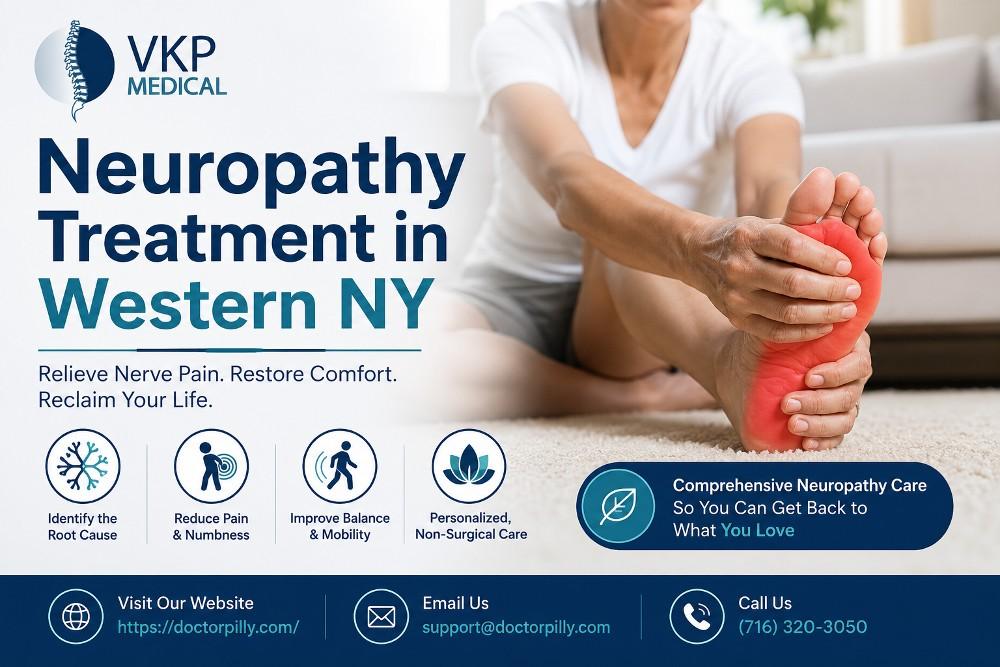
Neuropathy can significantly impact daily life, making even simple activities uncomfortable. From persistent tingling and numbness to burning sensations and sharp nerve pain, neuropathy symptoms often interfere with mobility, sleep, and overall well-being. Fortunately, advances in medical care have made it possible to address these symptoms through personalized treatment approaches tailored to each patient's needs.
For individuals seeking Neuropathy Treatment in Western NY, understanding the causes, symptoms, and available treatment options is the first step toward finding relief and improving quality of life.
Understanding Neuropathy

Neuropathy, also known as peripheral neuropathy, occurs when the nerves outside the brain and spinal cord become damaged or irritated. These nerves are responsible for transmitting signals between the brain and the rest of the body. When nerve function is disrupted, a person may experience a variety of symptoms that range from mild discomfort to severe pain.
Neuropathy can develop due to several underlying conditions, including:
- Diabetes
- Physical injuries or trauma
- Infections
- Autoimmune disorders
- Vitamin deficiencies
- Side effects from certain medications or medical treatments
- Chronic health conditions affecting nerve health
Because neuropathy can stem from different causes, an accurate diagnosis is essential for developing an effective treatment plan.
Common Symptoms of Neuropathy
Neuropathy symptoms vary depending on which nerves are affected and the severity of the condition. Some of the most common signs include:
Tingling or Burning Sensations
Many people describe neuropathy as a "pins and needles" feeling in the hands or feet. Others experience a persistent burning sensation that may worsen at night.
Numbness or Reduced Sensation
Loss of feeling in the extremities can make it difficult to perform everyday tasks and may increase the risk of falls or injuries.
Sharp or Stabbing Pain
Some individuals experience sudden, intense nerve pain that can occur without warning and affect their ability to move comfortably.
Increased Sensitivity to Touch
Even light contact from clothing, bedding, or everyday objects may trigger discomfort for those with neuropathy.
Balance and Mobility Challenges
When neuropathy affects the feet or legs, it can interfere with coordination and walking, increasing the likelihood of balance problems.
Why Personalized Treatment Matters
No two neuropathy cases are exactly alike. The underlying cause, severity of symptoms, and overall health of the patient all play important roles in determining the most appropriate treatment strategy.
This is why personalized care has become an important component of modern Neuropathy Treatment in Western NY. Rather than focusing solely on symptom management, individualized treatment plans aim to identify contributing factors and address the specific needs of each patient.
A comprehensive evaluation may include:
- Detailed medical history review
- Physical examination
- Assessment of nerve-related symptoms
- Diagnostic testing when necessary
- Evaluation of lifestyle and health factors
By understanding the complete picture, healthcare providers can create targeted treatment recommendations designed to improve comfort and function.
Treatment Options for Neuropathy
Depending on the underlying cause and severity of symptoms, neuropathy treatment may involve a combination of approaches.
Lifestyle and Health Management
For patients with diabetes or other chronic conditions, improving overall health management can help reduce nerve damage progression and support better symptom control.
Non-Surgical Treatment Approaches
Many patients benefit from non-surgical therapies designed to reduce pain, improve circulation, and support nerve function. These treatments may help alleviate discomfort while allowing patients to maintain their regular activities.
Physical Rehabilitation
Targeted exercises and physical therapy techniques can help improve strength, flexibility, balance, and mobility for individuals affected by neuropathy.
Advanced Pain Management Techniques
Modern pain management solutions may help reduce nerve-related discomfort and improve daily functioning without the need for invasive procedures.
Benefits of Early Intervention
Ignoring neuropathy symptoms can allow nerve damage to worsen over time. Seeking professional evaluation early can provide several benefits, including:
- Better symptom management
- Improved mobility and balance
- Reduced risk of complications
- Enhanced daily comfort
- Greater independence and quality of life
Individuals experiencing persistent numbness, tingling, or nerve pain should consider seeking medical evaluation to determine the cause and explore available treatment options.
Comprehensive Neuropathy Care in Western New York
Finding the right care provider is an important step in managing neuropathy effectively. Patients often look for experienced medical professionals who offer thorough evaluations, personalized treatment plans, and access to advanced non-surgical treatment options.
For those seeking Neuropathy Treatment in Western NY, personalized care focuses on understanding each patient's unique symptoms and health history. This individualized approach helps support long-term symptom relief while promoting better nerve health and overall wellness.
Take the First Step Toward Relief
Neuropathy can affect nearly every aspect of daily life, but effective treatment options are available. Whether symptoms involve tingling, numbness, burning sensations, or nerve pain, early diagnosis and personalized treatment can make a meaningful difference.
By addressing the underlying causes of nerve dysfunction and creating tailored treatment plans, patients can work toward improved comfort, mobility, and quality of life.
Frequently Asked Questions (FAQs)
What is peripheral neuropathy?
Peripheral neuropathy is a condition that occurs when nerves outside the brain and spinal cord become damaged, leading to symptoms such as pain, numbness, tingling, and weakness.
What causes neuropathy?
Neuropathy can result from diabetes, injuries, infections, autoimmune disorders, vitamin deficiencies, medication side effects, and other underlying health conditions.
Can neuropathy be treated without surgery?
Yes. Many patients benefit from non-surgical treatment options, including pain management techniques, lifestyle modifications, physical therapy, and other personalized therapies.
When should I seek treatment for neuropathy?
You should seek medical evaluation if you experience ongoing numbness, tingling, burning sensations, nerve pain, or balance issues that interfere with daily activities.
Is neuropathy permanent?
Some forms of neuropathy can improve when the underlying cause is identified and treated. Outcomes vary depending on the cause, severity, and timing of treatment.
How does personalized neuropathy treatment help?
Personalized treatment focuses on identifying the specific cause of symptoms and creating an individualized care plan that addresses each patient's unique needs and goals.