
When a tooth needs to be removed, many patients ask the same question: Do I have to wait months before getting a replacement? In many cases today, the answer is no. Immediate implant placement — where a replacement post is placed at the same visit as the extraction — has become a well-studied and widely used approach.
At Westinghouse Dental, patients often want to understand whether this faster method is right for them. The truth is that it can be an excellent solution — but only when the clinical conditions are right and proper protocols are followed.
If you’re researching modern options for dental implants, this guide will walk you through the benefits, the risks, and how dentists decide when immediate placement makes sense.
What Is Immediate Placement?
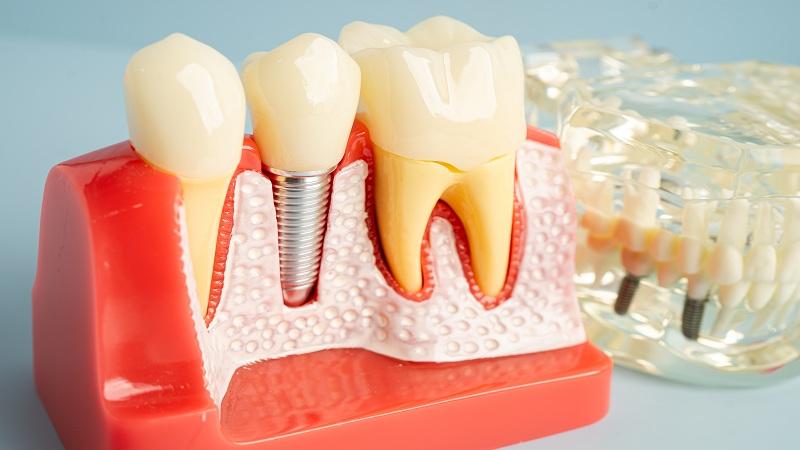
Immediate placement means the implant post is inserted into the jawbone right after a tooth is extracted — during the same appointment. Instead of waiting for months of healing first, treatment begins right away.
This approach is not suitable for every case, but when conditions are favorable, it can reduce treatment time and preserve natural bone structure.
Think of it as: remove → clean → place → protect — all in one planned visit.
The Main Advantages Patients Like
Patients are often drawn to this approach for both practical and biological reasons.
Common benefits include:
- Fewer surgical visits
- Shorter total treatment timeline
- Better preservation of jawbone shape
- Reduced gum tissue collapse
- Earlier aesthetic improvement
- Less time with a visible gap
For busy local families and working professionals, fewer appointments and faster completion are major advantages.
Quick Self-Check: Might You Be a Candidate?
Answer yes or no:
- Is the tooth being removed due to fracture or decay (not severe infection)?
- Do you have generally healthy gums?
- Are you a non-smoker or light smoker?
- Do you maintain regular dental cleanings?
- Has your dentist said your bone levels look strong on X-rays?
More “yes” answers increase the chance you may qualify — but final decisions always require an exam and 3D imaging.
The Clinical Protocols That Matter
Immediate placement is technique-sensitive. Success depends on strict surgical and diagnostic steps.
Typical protocols include:
- Careful, minimally traumatic extraction
- Thorough infection control and socket cleaning
- 3D scan evaluation before surgery
- Measurement of bone density and volume
- Achieving strong initial implant stability
- Bone grafting when small gaps exist
- Protective temporary restoration when appropriate
Skipping or rushing these steps increases risk. That’s why proper case selection is more important than speed.
Important Risks to Understand
While outcomes are highly successful in the right cases, immediate placement is not risk-free.
Potential risks include:
- Reduced stability if bone is weak
- Higher failure risk in active infection sites
- Gum recession in thin tissue areas
- Need for additional grafting later
- Esthetic challenges in front teeth zones
A careful evaluation helps balance speed with long-term predictability.
Timing vs. Rushing — There’s a Difference
Patients sometimes confuse “immediate” with “rushed.” They are not the same.
Immediate placement is planned in advance, with imaging, measurements, and surgical guides when needed. If the site is not suitable on the day of extraction, a staged approach is safer.
Good dentistry is never about speed alone — it’s about controlled timing.
Local Factors Patients Should Consider
For patients in and around the Georgetown area, practical logistics matter:
- Easy access for follow-up visits
- Quick emergency support if discomfort occurs
- Flexible scheduling around work and school
- Seasonal timing (some prefer healing before travel or holidays)
Choosing a nearby provider helps ensure continuity of care throughout healing and restoration.
What Healing Looks Like
Healing still takes time even when placement is immediate.
Typical phases:
- First week: gum tissue recovery
- First months: bone integration
- Later phase: final crown placement
- Ongoing: hygiene and maintenance visits
You may have a temporary tooth during healing, depending on stability and bite forces.
FAQs Patients Ask Most
Is immediate placement more painful?
Usually not. Discomfort is similar to a routine extraction plus implant placement, managed with local anesthesia and medication.
Does this mean I get a tooth the same day?
Sometimes a temporary crown is possible — but not always. It depends on stability and bite load.
Are success rates lower?
When proper protocols are followed and case selection is correct, success rates are comparable to delayed placement.
What prevents same-day placement?
Active infection, insufficient bone, uncontrolled medical conditions, or poor initial stability.
Will I still need a bone graft?
In many immediate cases, yes — small grafts are often placed to fill gaps and support contours.
How do I know if I qualify?
A clinical exam and 3D scan are required to decide safely.