

Choosing the wrong material can lead to costly repairs, project delays, and poor long-term performance. In both industrial and construction projects, even a small mistake during material selection can affect strength, safety, and overall durability.
Many buyers focus on price first. However, factors such as thickness, grade, coating, and environmental conditions often have a much bigger impact on results. As a result, selecting the most suitable option can feel confusing, especially when there are so many products available.
A well-chosen steel sheet can improve structural performance, reduce maintenance needs, and deliver better value over time. This guide explains the key factors to consider, the different types available, and how to make the right choice for your specific project requirements.
Why Steel Sheet Remains a Preferred Material
Steel is still among the most widely applied materials in various fields. Steel possesses all those qualities which make the material perfect and efficient.
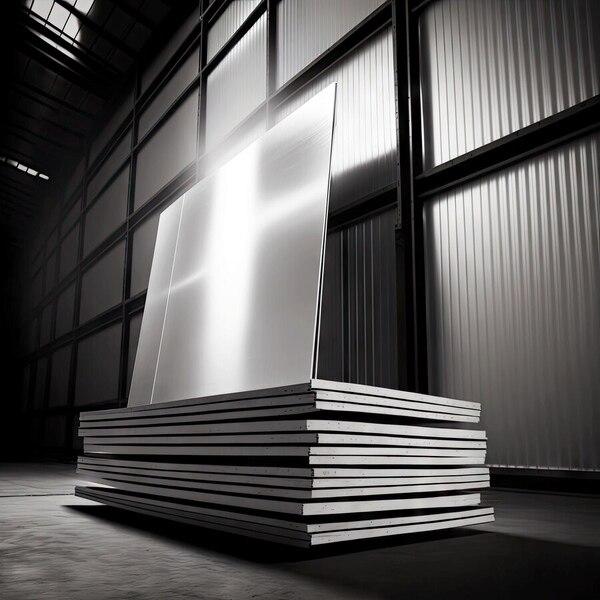
Steel Sheet products are essential for constructing modern buildings, commercial facilities, warehouses, and factories.
Some of the main advantages include:
- High strength
- A long life span
- Recyclability
- Good fabrication and weldability properties
- Affordable performance
- The availability in different forms and grades
Because of these benefits, steel remains a practical solution for projects of every size.
Key Factors to Consider When Choosing a Steel Sheet for Industries
Selecting the right steel sheet for industries requires more than comparing prices. Several factors affect performance, durability, and long-term value.
Thickness
The thickness influences the strength, weight, and carrying capacity of the steel sheet. The appropriate thickness varies depending on the intended purpose.
- Thick sheets offer increased structural strength.
- Thin sheets can be utilised for cladding purposes.
- Thickness is an element that influences project costs.
Grade and Tensile Strength
The grade of steel determines the amount of stress that a sheet of steel can withstand without bending or breaking.
- Some examples of construction grades of steel include S275 and S355
- More robust steel sheets can bear more weight.
- Material certificates prove the integrity of the material.
Surface Finish
Both the appearance and performance are determined by the finish. Finishes are selected based on usage conditions.
- Untreated and inexpensive is a mill finish
- Pickled and oiled steel is resistant to rust for some time
- Painting increases resistance and improves appearance
Corrosion Resistance
The presence of water may reduce the longevity of bare steel. The corrosion resistance of steel is crucial for a wide range of applications.
- Galvanised steel prevents rusting efficiently
- Stainless steel works well in extreme environments
- Corrosion-resistant coatings increase longevity
Weldability and Fabrication
Not all types of steel sheets have the same properties when it comes to cutting, bending, and welding processes.
- Mild steel is easy to fabricate
- Cold-rolled steel is ideal for precise operations
- Higher grades may need special equipment
The Main Types of Steel Sheet for Industries
A variety of sheets is suitable for different kinds of construction projects. These sheets vary by several characteristics, including durability, texture, corrosion resistance, and price.
Hot Rolled Steel Sheet
A sheet rolled while being heated can be characterised by a rough texture. This type of sheet is used for structures and machines due to its strength and affordability.
Cold Rolled Steel Sheet
A sheet rolled while being cooled has a higher degree of accuracy and smoothness of texture. Cold-rolled steel is preferred for cars and electrical devices.
Galvanised Steel Sheet
Galvanised steel has additional protection from oxidation provided by a zinc coating. This steel is usually applied in cases where a structure may be exposed to moisture.
Stainless Steel Sheet
This type of steel does not corrode easily and can last very long. It is preferred in cases when the construction should be immune to oxidation.
Mild Steel Sheet
Mild steel is easier to manipulate and works well with welding. However, this steel must be coated to prevent oxidation.
Matching Steel Sheet to Common Project Types
Each project comes with its own set of specifications. The following is a quick table to guide you towards the right choice at lightning speed:
- Warehouse and industrial structures: Hot rolled mild steel, Grades S275 or S355, galvanised for external parts.
- Roof cladding and wall cladding: Galvanised or colour-coated steel sheet with a thickness ranging between 0.5mm and 1.2mm
- Food & beverage industry: Polished stainless steel, Grade 304 or 316
- Marine and ports industry: Stainless steel or hot-dip galvanised, with additional anti-corrosive coating.
- Enclosure and precision fabrication: Cold-rolled sheet with polished surface.
What to Ask Your Steel Sheet Supplier in Singapore
All suppliers do not provide similar quality or certification. Some of the queries that need to be asked before purchase include:
- Can you provide a mill test certificate for the stock?
- What are the exact specifications/dimensions/tolerances?
- Does the sheet comply with the SS EN/ASTM requirements?
- Can I get custom cuts done?
- What is the minimum order quantity?
Getting clear answers here protects your project and your budget.
Conclusion
The selection of the appropriate steel sheet goes beyond merely choosing a material that meets your budgetary constraints. There are many other considerations that need to be made, such as applicability, environment, strength requirements, thickness, coatings, and much more.
If all these things are considered thoroughly, then companies can ensure durability, lower maintenance costs, and increased efficiency in the projects. For whichever purpose you may want to purchase a sheet, whether for Industries, manufacturing plants, warehouse applications, or construction purposes, proper planning will always yield better outcomes.
FAQs
What is the most popular steel sheet in Singapore construction?
The hot-rolled mild steel sheets, especially of grades S275 and S355, are the most commonly used in Singapore construction for structural or industrial uses due to their strength, welding characteristics, and economical nature.
Which is better for outdoor construction - Galvanised or Stainless?
That depends on the level of environmental exposure. For all kinds of outdoor construction activities, the hot-dip galvanised steel sheet proves to be a more effective and economical option. But in case of marine and corrosive exposure, the Stainless Steel Sheet Grade 316 would be a better choice.
What is a Mill test certificate?
A mill test certificate certifies the chemical and mechanical properties of your steel sheet batch according to its specification.
Can a mild steel sheet be used without any coating?
Yes, the mild steel sheet can be used without coating when used indoors. But due to Singapore's weather conditions, the steel used indoors also needs to be primed, painted, or galvanised to prevent surface corrosion.