

Blackjack is one of the most recognisable card games in digital gaming, but not every version follows exactly the same rules. Differences in dealer behaviour, card decks, splitting options, doubling rules, and payout structures can change how a particular game works. For beginners exploring Gullybet Casino Games, understanding these variations is useful before selecting a blackjack table. Although most versions follow the same basic objective of reaching a hand value closer to 21 than the dealer without exceeding it, individual formats introduce different rules and decisions. Learning how Classic Blackjack, European Blackjack, American Blackjack, Spanish 21, and other versions operate can help readers recognise their differences. This guide examines the most common variations, explains their rules, and highlights the details players should check before participating.
Understanding the Basic Rules of Blackjack
Before comparing individual variations, it helps to understand the standard structure of blackjack.
The objective is to achieve a hand value closer to 21 than the dealer's hand without going over 21. Players receive two initial cards, and the dealer also receives cards according to the rules of the particular version.
Each card has a specific value:
- Number cards from 2 to 10 carry their printed values.
- Jacks, queens, and kings count as 10.
- An ace counts as either 1 or 11, depending on which value benefits the hand without exceeding 21.
For example, a hand containing an ace and a seven can have a value of 8 or 18. This flexibility makes aces particularly important in blackjack.
Players generally have several available actions:
- Hit: Request another card.
- Stand: Keep the current hand and receive no additional cards.
- Double down: Increase the original stake under the game's doubling rules and receive a final card.
- Split: Separate two cards of equal value into two individual hands, when permitted.
Some versions also offer surrender, which allows a player to give up a hand under specified conditions.
These basic actions form the foundation of most blackjack variations.
1. Classic Blackjack
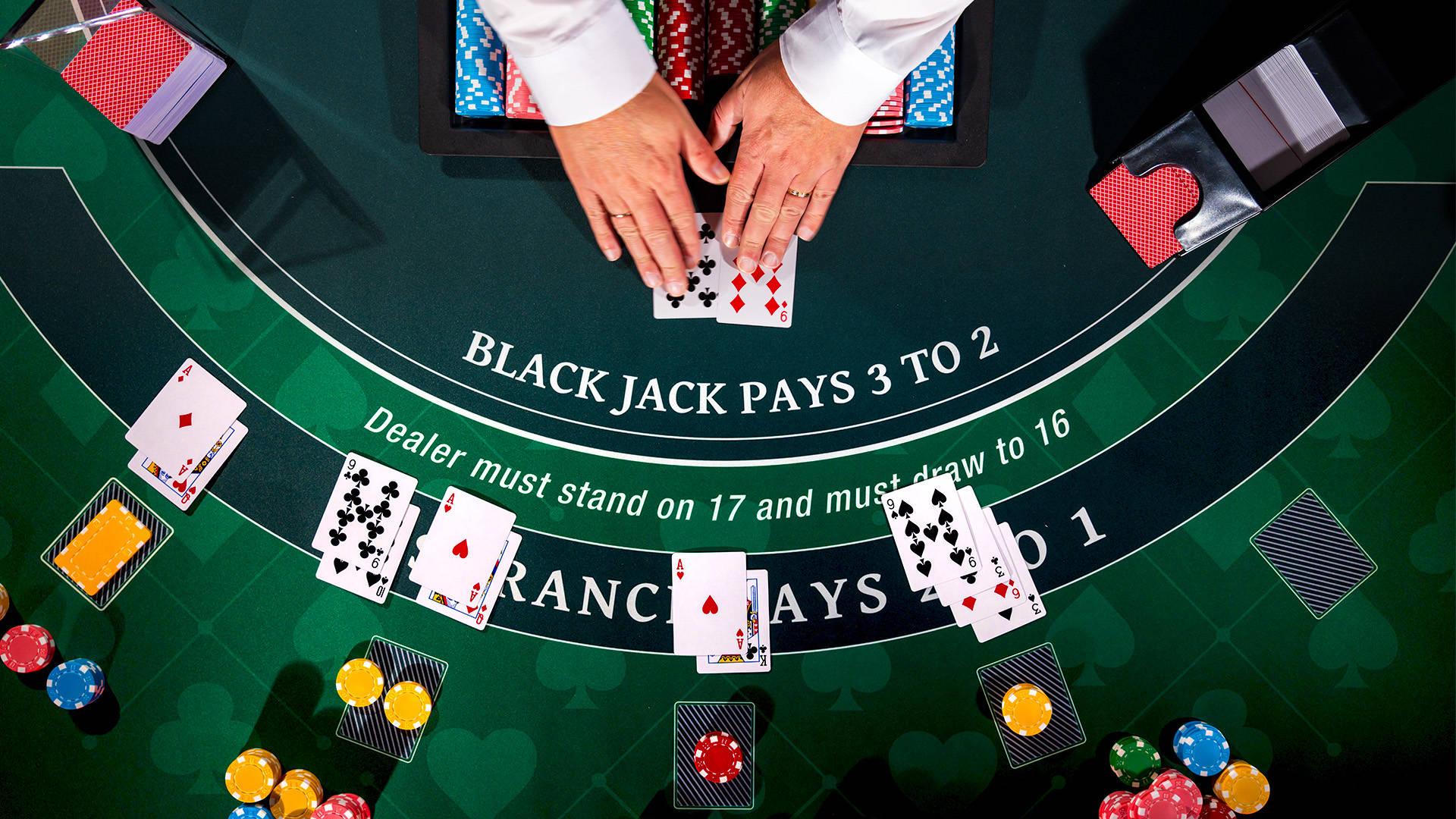
Classic Blackjack provides a straightforward introduction to the game. It generally follows the familiar objective of reaching a total closer to 21 than the dealer.
Players receive two cards and decide whether to hit, stand, double down, or split, depending on the table rules.
One important detail is the natural blackjack. This usually refers to an ace combined with a 10-value card in the initial two-card hand.
The payout for a natural blackjack depends on the table's stated rules. Some tables offer 3:2, while others offer 6:5. This distinction matters because the payout structure affects the return associated with a natural blackjack.
What to check: Review the dealer's standing rules, permitted doubling options, splitting conditions, and natural blackjack payout before starting a game.
2. European Blackjack
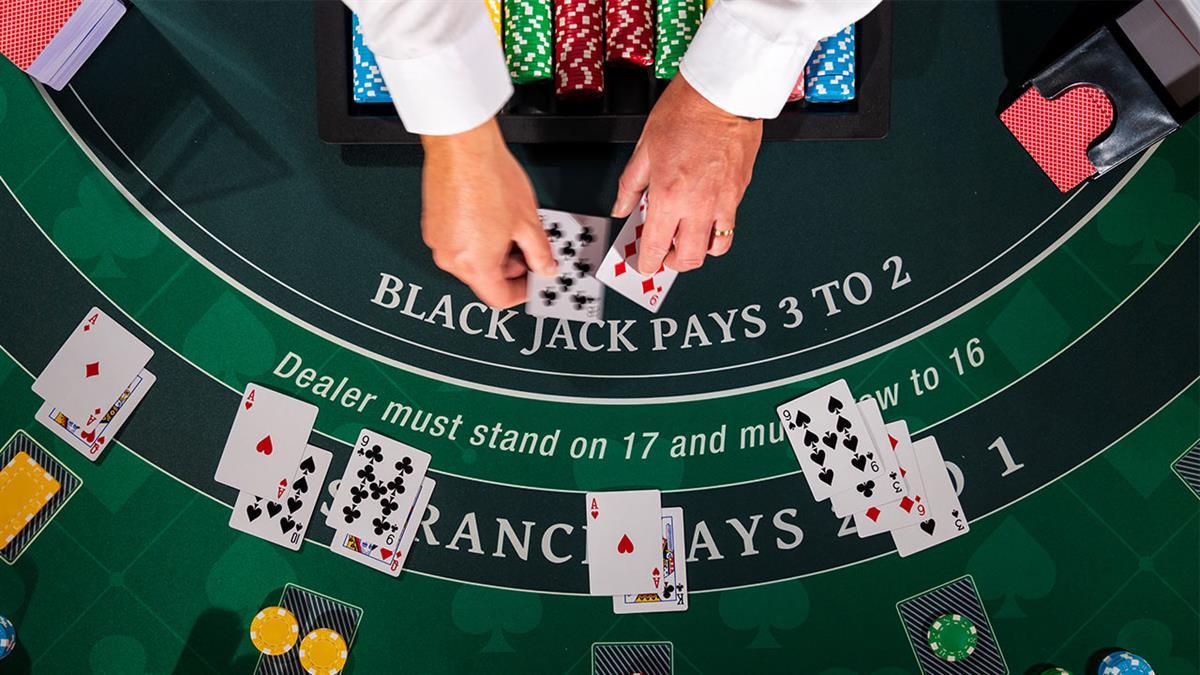
European Blackjack is a popular variation with a distinctive dealer-card procedure.
In many European versions, the dealer initially receives one face-up card and does not take the second card until players complete their decisions. This differs from common American Blackjack procedures, where the dealer receives a face-down hole card.
Another important feature involves the dealer's response when an ace or 10-value card appears. Depending on the specific rules, the dealer may check for a natural blackjack after players have acted.
European Blackjack tables can also differ in their splitting and doubling restrictions.
For example, some versions limit doubling to certain hand values or restrict doubling after splitting.
What to check: Examine the dealer's card procedure, doubling restrictions, splitting permissions, and rules for resolving simultaneous natural blackjacks.
3. American Blackjack

American Blackjack is another widely recognised format. Its main distinguishing feature is the dealer's initial two-card arrangement.
The dealer typically receives one face-up card and one face-down card, known as the hole card.
When the dealer shows an ace or a 10-value card, the rules generally require a check for a natural blackjack before players continue with additional decisions.
This procedure can influence how a hand progresses because the dealer's natural blackjack may end the round early.
American Blackjack tables may also allow options such as surrender, resplitting, or doubling after splitting, depending on their individual rules.
What to check: Look for the dealer's hole-card procedure, early blackjack checks, surrender availability, and restrictions on splitting pairs.
4. Spanish 21
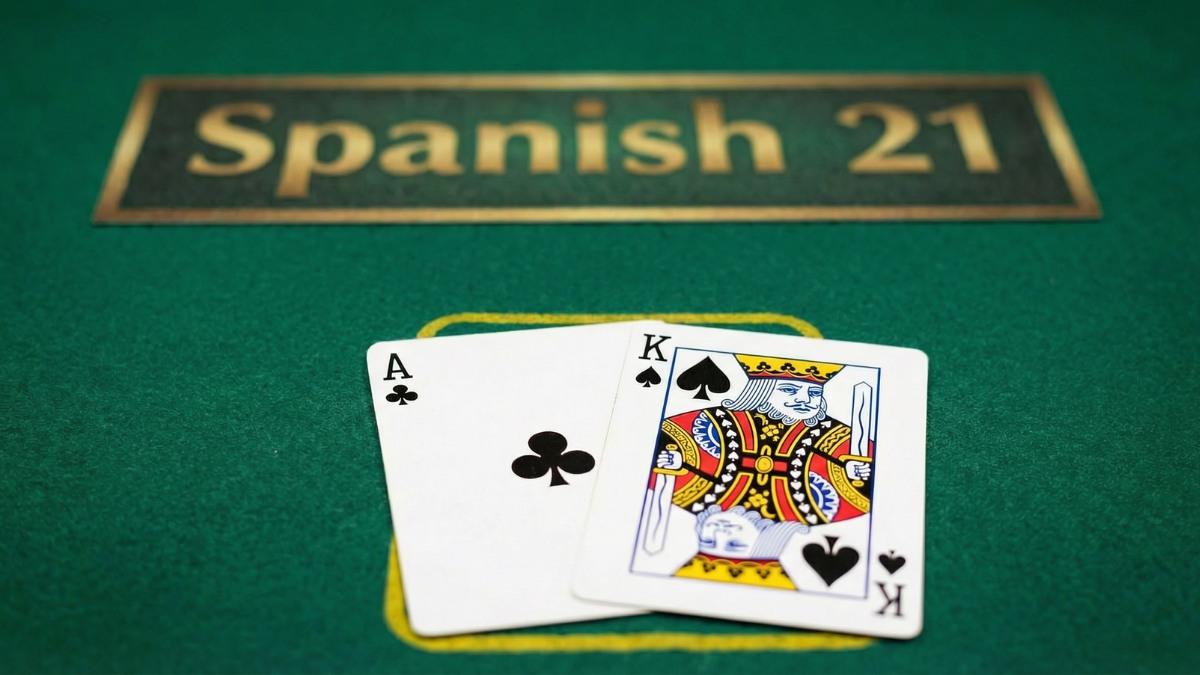
Spanish 21 introduces a notable difference in its card deck.
Unlike traditional blackjack, which generally uses standard 52-card decks, Spanish 21 removes all four 10-value cards from each deck while retaining face cards.
This changes the composition of the deck and the way players approach different hand situations.
The variation often includes additional player-friendly features, such as special bonuses for certain combinations and more flexible doubling or surrender options. However, the exact rules depend on the table.
For example, a player may encounter special payouts for particular combinations involving a five-card or higher-card hand.
These bonuses are not universal, so players should never assume that every Spanish 21 table offers identical conditions.
What to check: Confirm the number of decks, special bonus combinations, doubling restrictions, and dealer rules.
5. Blackjack Switch
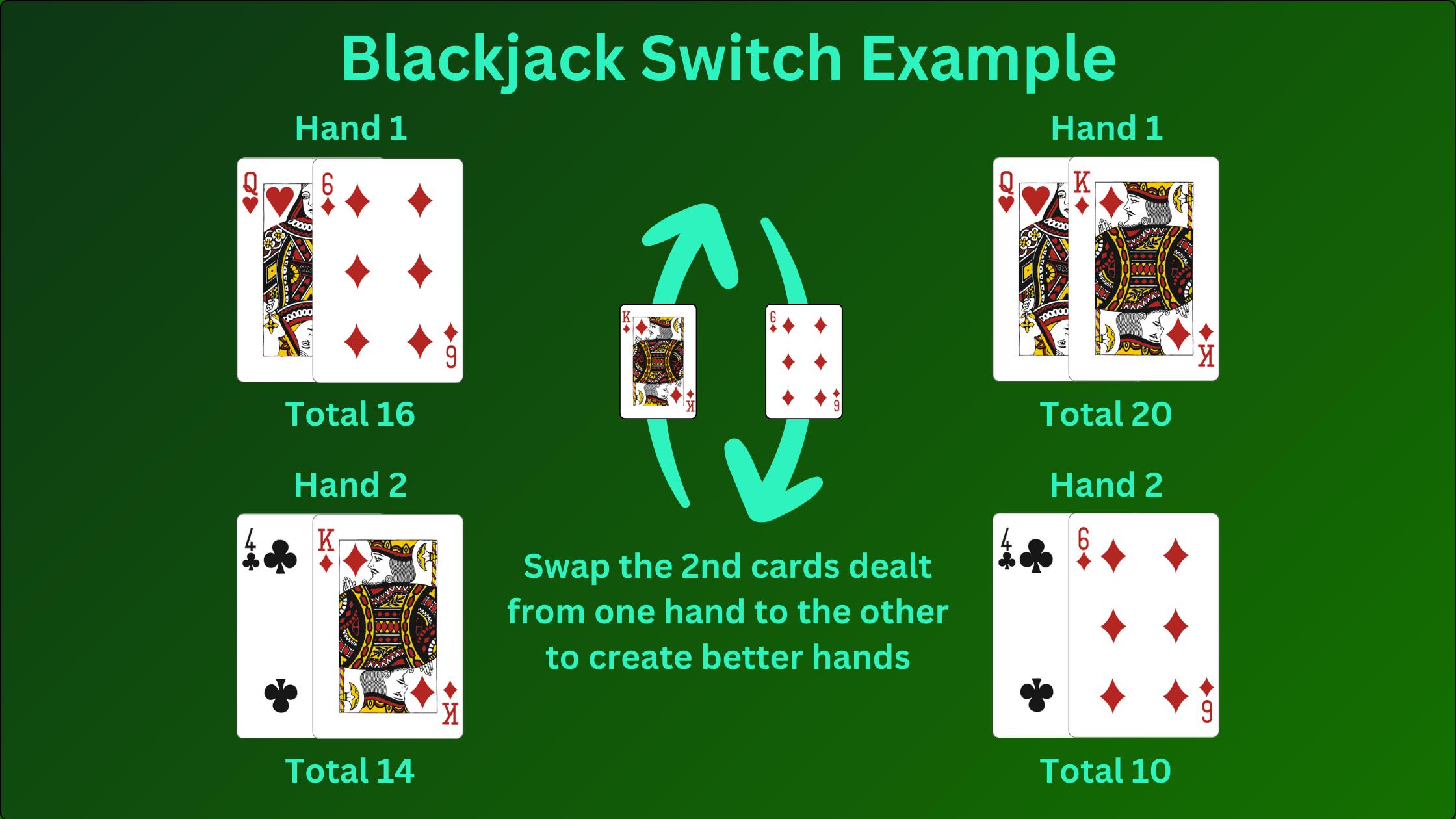
Blackjack Switch changes the traditional structure by allowing players to manage two hands simultaneously.
A player places two separate stakes and receives two hands. The player can then exchange the second cards between those hands, subject to the game's rules.
For example:
- First hand: 10 and 6
- Second hand: 5 and 9
After switching the second cards, the hands become 10 and 9, and 5 and 6.
This feature creates a different decision-making structure from traditional blackjack.
However, Blackjack Switch usually includes special dealer rules to balance the switching advantage. One common rule treats a dealer's 22 as a push against non-busted player hands, although other conditions may apply.
What to check: Understand the card-switching restrictions, dealer 22 rule, natural blackjack payouts, and other special conditions.
6. Double Exposure Blackjack
Double Exposure Blackjack changes the information available to players by showing both of the dealer's initial cards.
In traditional blackjack, one dealer card usually remains hidden during the initial round. Double Exposure removes this uncertainty by displaying both cards.
This allows players to see the dealer's complete starting hand before making their decisions.
However, the variation typically balances this additional information through less favourable rules in other areas. For example, the dealer may win ties, or natural blackjack payouts may differ from standard formats.
The exact conditions depend on the table.
What to check: Review tie-resolution rules, natural blackjack payouts, doubling restrictions, and the dealer's standing requirements.
Comparing Different Blackjack Variations
Each blackjack variation has its own gameplay features and rules. Understanding these differences can help players know what to expect before choosing a format.
- Classic Blackjack: This version follows traditional blackjack gameplay. Players should check the natural blackjack payout and the rules for dealer and player actions.
- European Blackjack: The main difference is the dealer's card procedure. Players should check when the dealer receives the second card and how the rules handle a possible blackjack.
- American Blackjack: The dealer receives a face-down hole card. An early blackjack check may take place depending on the dealer's upcard and table rules.
- Spanish 21: This variation removes all four 10-value cards from the deck while retaining face cards. It may also include special bonus combinations and additional player options.
- Blackjack Switch: Players receive two hands and can exchange the second cards between them. Check the dealer 22 rule, as it commonly affects how winning hands are settled.
- Double Exposure Blackjack: Both of the dealer's cards are visible to players. This advantage is generally balanced by other rules, so check the tie-resolution conditions and payout structure.
This comparison shows why understanding the format matters. Two tables may use the same basic objective while following different procedures and payout structures.
How to Choose a Blackjack Variation
Selecting a blackjack format begins with understanding its rules rather than focusing only on its appearance.
Readers exploring Gullybet Casino Games can use the following checklist to compare available blackjack formats:
Read the Table Rules
Always examine the instructions before starting. Check the dealer's standing requirements, doubling options, splitting restrictions, and payout conditions.
Understand the Number of Decks
Blackjack variations may use different numbers of decks. The number of decks affects the composition of the cards and can influence the mathematical structure of the game.
Compare Natural Blackjack Payouts
A natural blackjack may receive different payouts across tables. Check whether the stated payout is 3:2, 6:5, or another specified arrangement.
Check Special Features
Variations such as Spanish 21 and Blackjack Switch introduce additional rules. Understand these features before making decisions during a round.
Consider Your Familiarity with the Rules
Beginners may find traditional blackjack easier to understand because it follows a more familiar structure. Players learning other formats should take time to understand their additional conditions.
Conclusion
Blackjack variations share a common objective, but their rules can create significantly different gameplay structures. Classic Blackjack offers a familiar format, while European and American versions differ in dealer procedures. Spanish 21 changes the deck composition, Blackjack Switch introduces card exchanges, and Double Exposure reveals both dealer cards. Understanding these differences makes it easier to recognise the rules and conditions associated with each format. GullyBET provides a dedicated section for readers interested in understanding different digital gaming categories and their features. Anyone exploring Gullybet Casino Games should prioritise learning the rules, checking individual payout conditions, and recognising that card games involve uncertainty. Responsible participation, realistic expectations, and compliance with applicable Indian state laws remain essential.
Frequently Asked Questions
1. What is the main objective of blackjack?
The objective is to achieve a hand total closer to 21 than the dealer without exceeding 21. A natural blackjack generally consists of an ace and a 10-value card in the initial two cards.
2. What is the difference between American and European Blackjack?
American Blackjack generally uses a dealer hole card and an early check for natural blackjack. European Blackjack commonly deals the dealer's second card after players complete their decisions.
3. Why does Spanish 21 remove 10-value cards?
Spanish 21 removes the four standard 10 cards from each deck while retaining face cards. It introduces additional rules and bonus combinations to create a distinct blackjack format.
4. What makes Blackjack Switch different?
Blackjack Switch allows players to exchange the second cards between two hands. It also introduces special dealer rules that distinguish it from traditional blackjack.
5. Does every blackjack variation have the same payout rules?
No. Natural blackjack payouts, bonus conditions, splitting permissions, and dealer procedures can vary. Players should review the individual table rules before participating.