
How are softwares for inspections changing quality control?
For businesses all around, quality control's accuracy and consistency are top concerns. The integration of inspection software is helping companies to increase compliance, accuracy, and efficiency rather noticeably. These solutions are meant to simplify procedures, lower human error, and offer real-time manufacturing, construction, and other sector analysis.
What distinguishes modern inspection software most importantly?
Features of inspection software improve operational performance in several ways. Digital checklists guarantee that all required actions are taken, therefore helping to standardize inspections. Instant documentation made possible by automated reporting helps to lower paperwork and improve traceability. Because cloud-based storage guarantees data is available wherever, anytime, teams can work easily. Advanced analytics give companies important new perspectives on quality patterns, therefore guiding their decisions.
Another big benefit is integration capacity, which lets these solutions link manufacturing execution systems (MES) with current enterprise resource planning (ERP). This connectivity guarantees seamless data flow between several departments, therefore removing obstacles and raising general workflow effectiveness.
How may IoT and artificial intelligence improve inspection systems?
The Internet of Things (IoT) and artificial intelligence (AI) are changing how software for inspections operate. Image recognition enabled by artificial intelligence enables automatic flaw detection, hence lowering the need for human inspections. Over time, machine learning techniques get better, thereby boosting predictive maintenance powers and accuracy.
Real-time equipment and process monitoring made possible by IoT integration. Constantly gathering data, sensors notify teams of irregularities before they become more serious. By means of this proactive technique, companies may reduce downtime and preserve the best production quality.
Get more details: https://axonator.com/request-for-demo/
Why are companies quickly implementing inspection systems?
Because of legal restrictions and the necessity of more operational efficiency, industries are adopting inspection software more and more. Improved quality control guarantees that products satisfy high industry standards, therefore benefiting manufacturing enterprises. These solutions help building companies keep safety compliance, therefore lowering the hazards related to structural integrity and worker safety.
Inspecting software helps the automobile industry to guarantee that car components satisfy exact criteria, hence lowering recalls and improving customer satisfaction. In the same vein, the food and pharmaceutical sectors use these instruments to uphold compliance with strict health rules and hygiene.
Which are the most recent trends in inspection software?
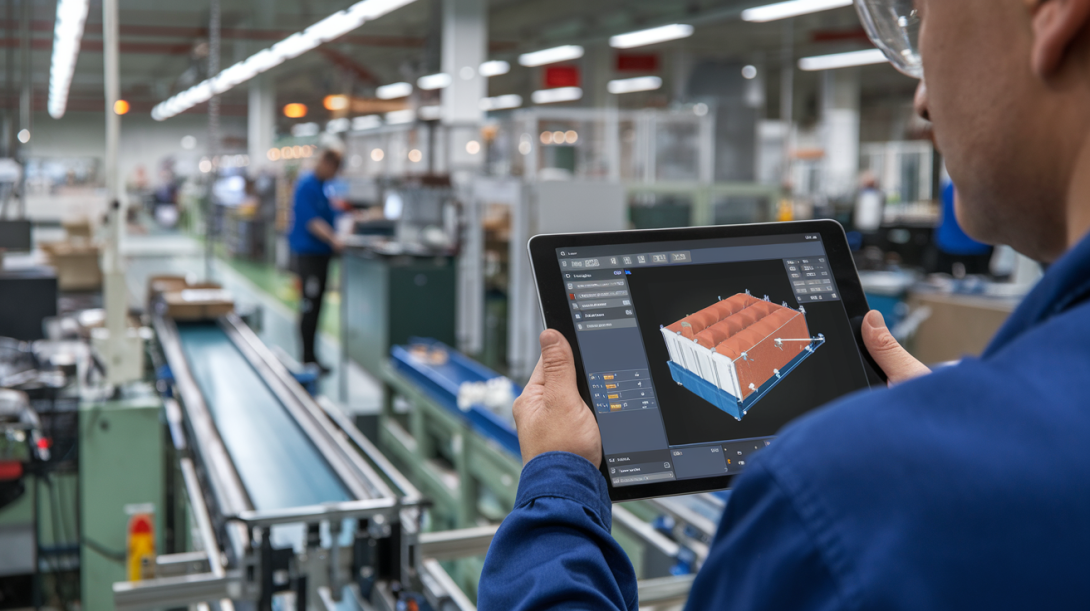
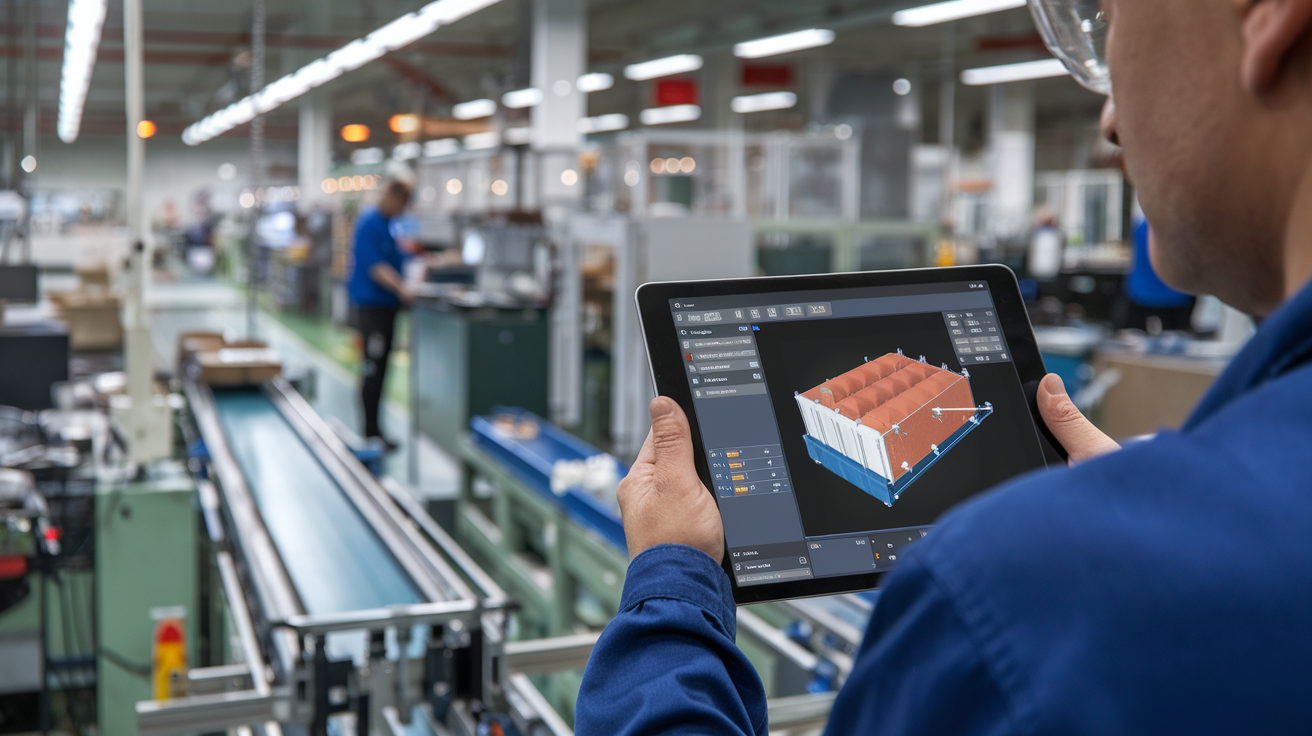
The turn toward mobile-based solutions is among the most important developments. As tablets and cellphones become more common, inspectors may conduct tests on-site without requiring large machinery. Mobile compatibility speeds up the whole process by increasing flexibility and enabling quick data entry.
Another big technology allowing companies to securely store and retrieve inspection data is cloud computing. This guarantees flawless data retrieval as needed and removes the hazards connected with physical record-keeping.
Incorporation of augmented reality (AR) into inspection procedures is another developing tendency. AR puts digital data onto actual things to help inspectors more quickly find flaws. In demanding sectors like aerospace and defense, this technology is proven to be very helpful.
How Should Companies Choose Their Inspection Program?
The correct answer will rely on particular operational objectives and industry demand. Companies should assess programs depending on scalability, integration capacity, and simplicity of use. A user-friendly interface guarantees teams' swift adaptation free from much of the training required.
Aligning the program with particular business needs depends much on customizing choices. Some sectors need specific checklists and compliance monitoring tools, so flexibility is rather important. Since important inspection data needs to be kept safe against cyberattacks, security is also absolutely critical.
One shouldn't undervalue cost-effectiveness. Although premium solutions provide many capabilities, companies should consider the return on investment before deciding. Many providers have scalable pricing structures that let businesses increase their use as required.
Where do inspection softwares stand going forward?
Inspection software will become ever more complex as technology develops. By raising accuracy levels, AI-driven automation is supposed to lessen dependency on hand inspections. Blockchain technology may improve data security, so guaranteeing traceability and openness in compliance procedures.
A growing focus on sustainability means that software for inspections might include environmentally friendly tracking tools. Companies will be able to track their influence on the surroundings and guarantee adherence to green rules.
All things considered, these ideas will always be quite important for improving operational efficiency, compliance, and quality control in many sectors. Companies that make wise technological investments will be positioned for long-term success and keep a competitive edge in their particular industries.